



Why Year-Round Swim Lessons Are Better for Kids Than Summer-Only
If you're like a lot of parents in Miami, swim lessons probably feel like something you sign your kid up for sometime around April or May, right before pool parties, beach weekends, and that long hot stretch ahead. It makes sense on paper. But here's the thing most South Florida families don't realize: stopping lessons in the fall can quietly undo a lot of the progress your child worked so hard to build.
Kids forget skills. Confidence slides. And by the time next summer rolls around, you're starting almost from scratch.
In this post, you'll learn why year-round swim lessons keep kids safer, more confident, and steadily improving, plus how to fit weekly lessons into a packed school-year schedule. By the end, you'll know exactly why consistent lessons all year are one of the smartest decisions you can make for your child's long-term water safety and growth.
Are year-round swim lessons better than summer-only swim lessons for kids?
Yes, in nearly every way that matters. Year-round swim lessons help kids retain skills, build muscle memory, gain confidence, and stay safer around water all year, not just during pool season. Summer-only lessons can teach the basics, but the long break afterward usually erases a big chunk of what your child learned, which means relearning the same skills the following year.
Swimming isn't like riding a bike. It's a layered skill that depends on breath control, coordination, body awareness, and comfort in the water. All of that fades without practice.
Do kids forget swimming skills after summer ends?
Yes, and faster than most parents expect. Research on motor skill retention shows that children, especially younger kids, can lose meaningful swimming progress within just a few months of inactivity. A child who finished summer floating independently and putting their face in the water might come back next June, hesitant to even sit on the pool steps.
That regression is frustrating for kids and parents alike. Imagine your child finally gets brave enough to jump in on their own, and then nine months later, they're clinging to your arm again. It's not their fault. The brain simply lets go of skills it isn't using.
Year-round lessons keep those neural pathways active. Each week reinforces the last, building a foundation that doesn't crumble during the off-season.
What are the benefits of year-round swim lessons for kids?
Consistent, weekly lessons throughout the year do a lot more than prevent forgetting. Here's what families typically notice when they stick with year-round swimming lessons for kids:
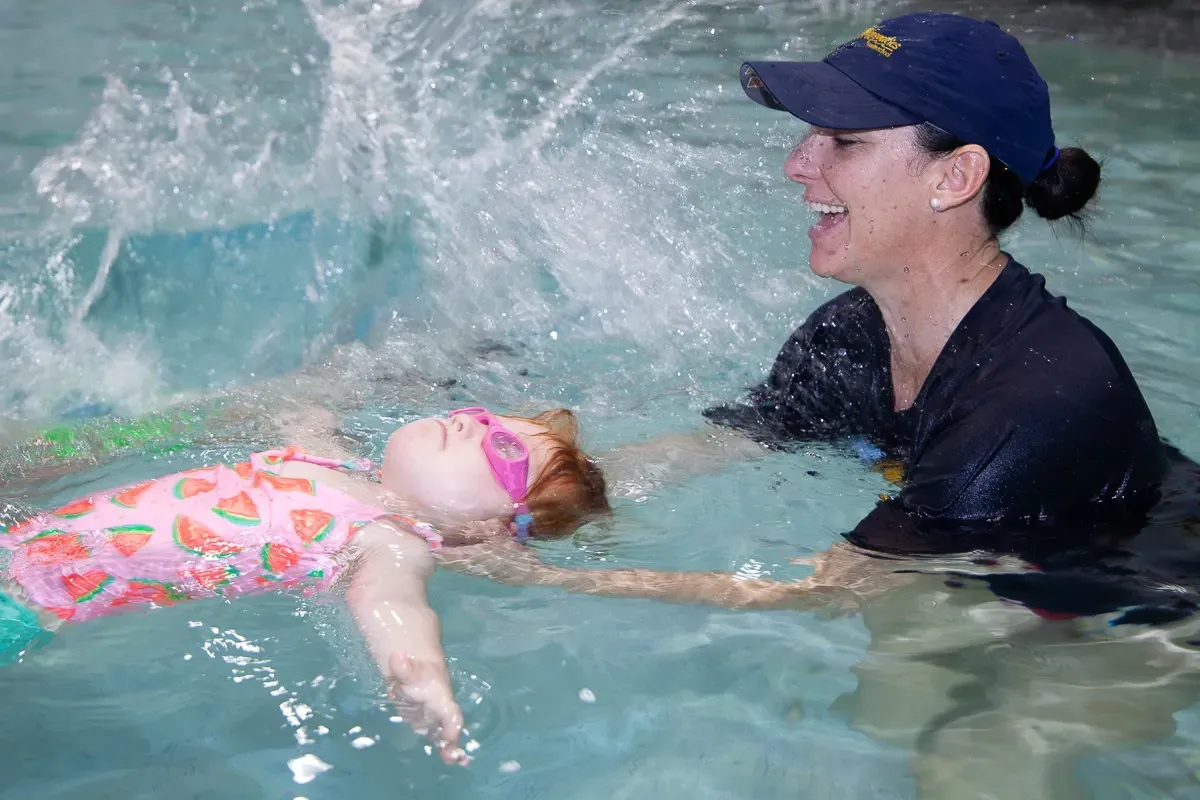
- Stronger water safety habits. Kids who practice all year learn to roll onto their back, find the wall, and signal for help instinctively, not just when reminded.
- Real progress, not restarts. Instead of repeating Level 1 every June, kids move forward through new skills like rhythmic breathing, longer freestyle, and stronger kicks.
- More confidence in the water. Hesitant swimmers become braver each week, and that confidence spills over into school, sports, and social settings.
- Better physical development. Swimming builds coordination, lung capacity, and full-body strength in a way few other activities can.
- Calmer, more relaxed kids. Weekly pool time is a built-in stress reliever, and a lot of parents say their kids sleep better on lesson nights.
How often should children take swimming lessons?
For most kids, twice a week is the sweet spot for keeping consistency. Weekly swim lessons give children enough repetition to build muscle memory while leaving room for school, homework, and family time. Twice a week speeds up progress noticeably, especially for nervous swimmers or kids working toward a specific milestone like a school swim test.
What doesn't work as well? Long gaps. Going more than four to six weeks between lessons usually means losing some of the muscle memory and comfort that took months to build. So even during holidays or busy school weeks, keeping the routine going pays off.
Why heated indoor pools change everything for South Florida families
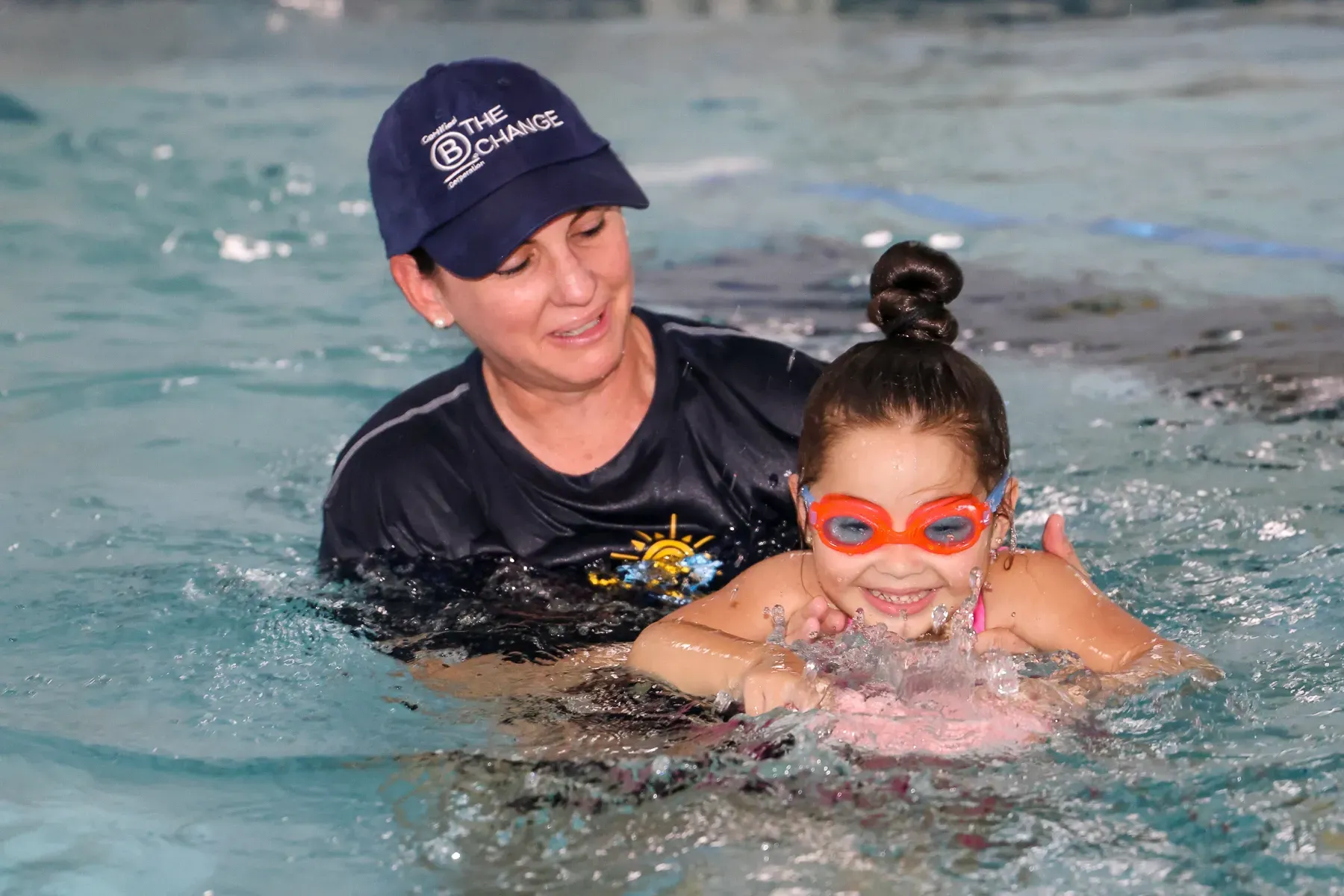
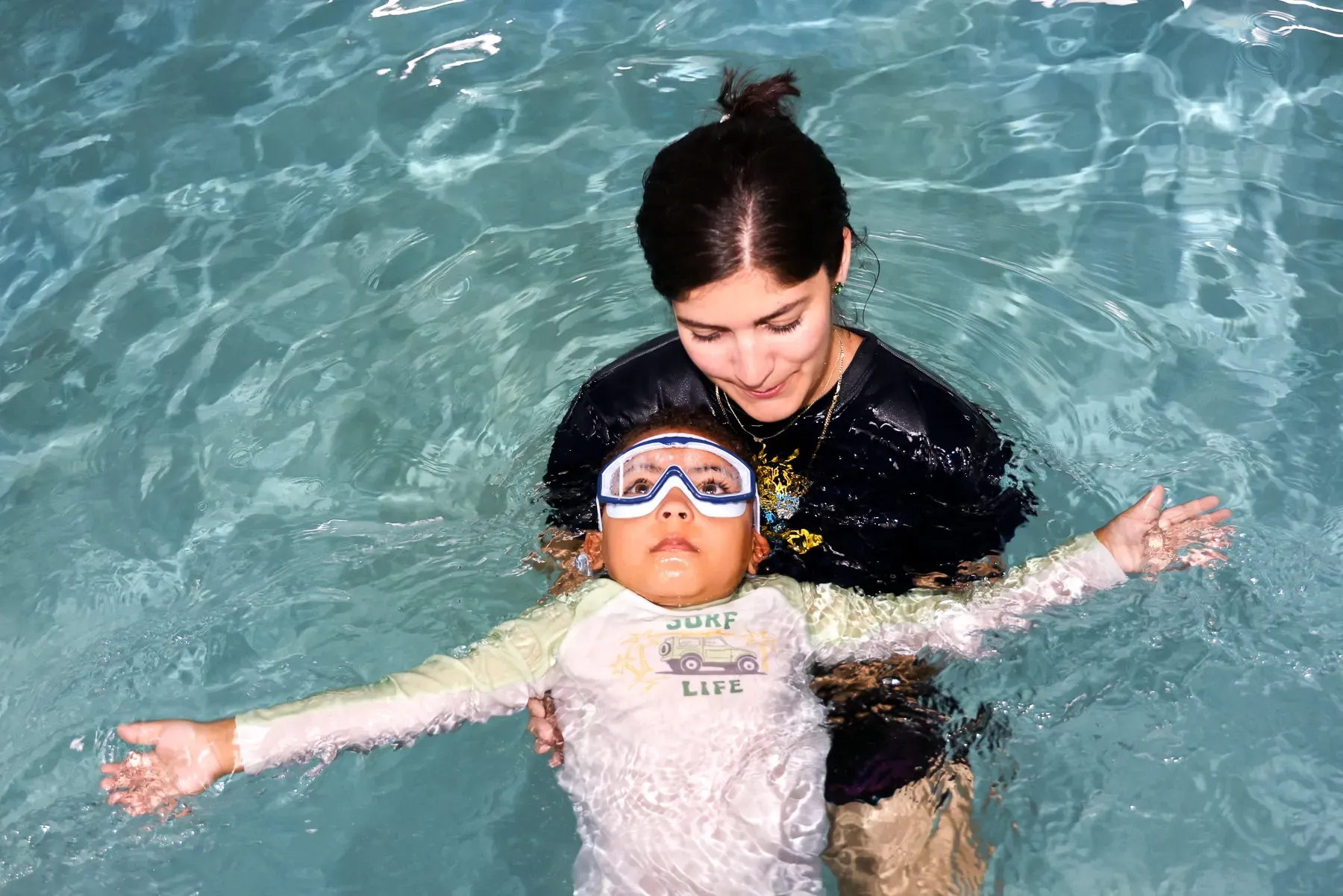
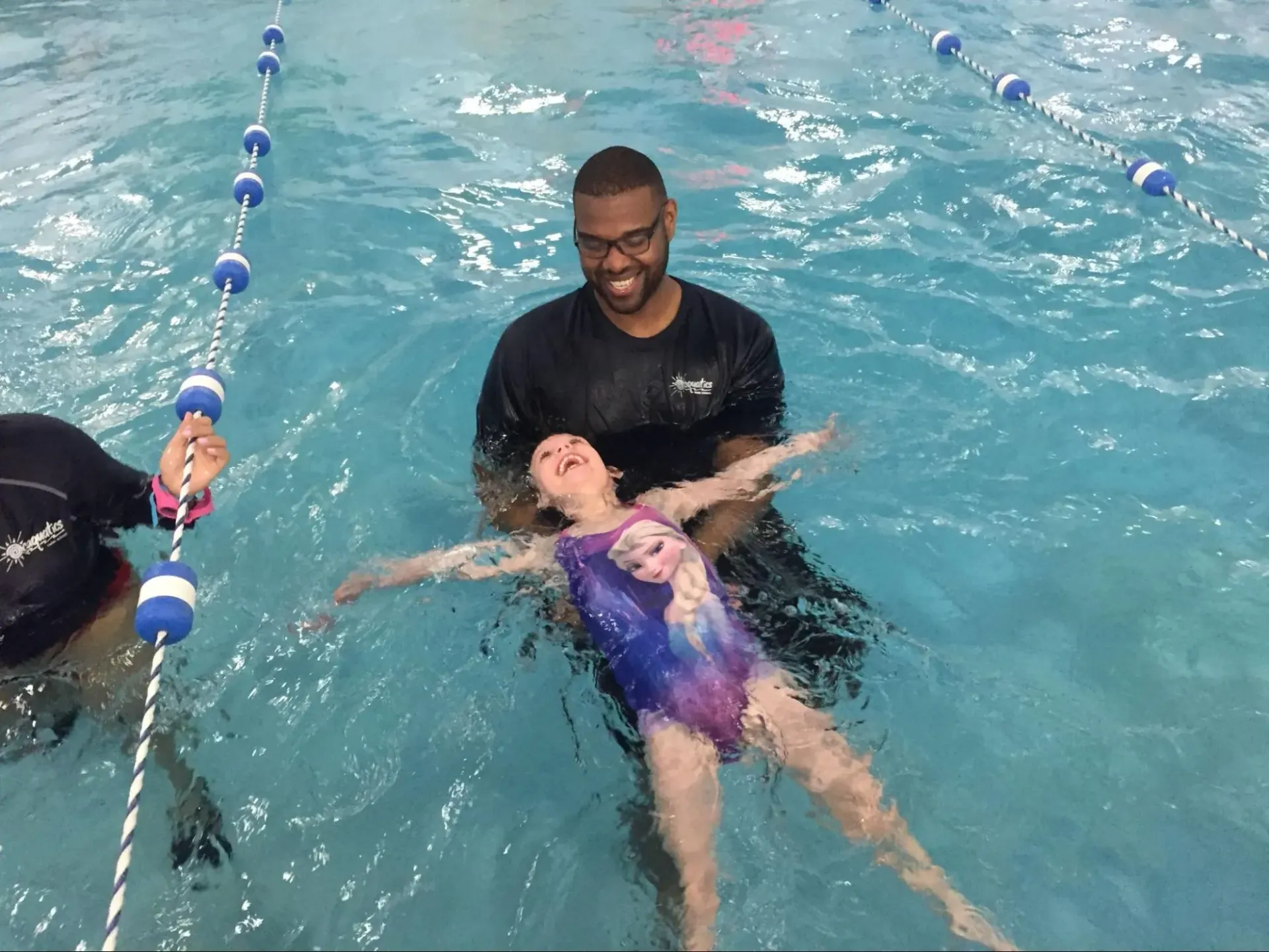
Here's where Miami parents have a real advantage. While families up north have to pause outdoor swimming for half the year, South Florida kids can keep practicing in heated indoor pools without ever feeling cold. At Ocaquatics, our five locations across Miami, Coral Gables, Kendall, Tropical, and Hialeah Gardens keep pools at a comfortable 90°F all year, so even toddlers stay warm and relaxed during their lesson.
That matters more than it sounds. Cold water makes kids tense up, cuts lessons short, and turns swimming into something they dread. Warm water keeps them in the pool longer, learning more, and actually enjoying themselves. Indoor pools also mean rain, wind, or a January cold front never cancel a lesson.
How year-round lessons get kids ready before summer, not during it
Picture two kids in May. One has been taking weekly lessons since the previous fall. The other signed up three weeks before the family beach trip to the Keys. Which one do you think feels more comfortable, jumping into the deep end at a resort pool or handling the camp swim test on day one?
That's the difference year-round practice makes. Kids who swim consistently arrive at summer already strong, already confident, already prepared for camp, beach days, vacations, and pool parties. There's no last-minute scramble, no anxious "I hope she's ready in time" feeling. Summer becomes the fun reward for a year of steady work, not a stressful crash course.
It also takes pressure off parents. No fighting for the last open spot in May, no paying for rushed sessions, just a routine your child already knows and loves.
What about busy school-year schedules?
This is the question we hear most often from parents in Coral Gables and Kendall. Between homework, soccer, ballet, and family dinners, the school year already feels packed. The good news is that one weekly lesson, usually 30 minutes, fits more easily than parents expect. Most families slot it in like a music lesson or a sports practice, and kids end up looking forward to it as the highlight of their week.
Your Year-Round Swim Lesson Questions, Answered
Are weekly swim lessons better for kids than once-a-month sessions?
Yes. Weekly lessons keep skills fresh and progress steady. Monthly sessions usually mean kids spend each lesson reviewing what they forgot instead of moving forward.
Should kids take swim lessons all year, even if they don't swim much in winter?
Especially then. Winter is when most skill loss happens, because kids aren't getting any informal pool time. Lessons keep their foundation strong so summer feels like a continuation, not a restart.
Are summer-only swim lessons enough for water safety?
For most kids, no. Water safety skills need repetition before they become automatic. A handful of summer lessons can introduce the basics, but consistent practice is what makes those skills stick when they're actually needed.
At what age should year-round swim lessons start?
Many programs, including ours, welcome babies as early as six months old. Early, consistent exposure builds comfort in the water and lays the groundwork for stronger water safety habits later on.
What if my child is nervous about being in the water?
Year-round lessons are actually ideal for nervous swimmers. Short, frequent sessions with a familiar instructor build trust faster than a few intense weeks once a year. Most hesitant kids settle in after just a few lessons.
Will my child get bored taking lessons all year?
Good programs grow with kids, adding new skills, games, and challenges so lessons stay fresh and fun. Most children look forward to pool time more than other weekly activities.
Make Year-Round Swimming Part of Your Child's Routine
Whether your child is just starting out or already loves the water, consistent year-round practice is what turns swimming from a summer activity into a real life skill. With heated indoor pools across Miami, Coral Gables, Kendall, Tropical, and Hialeah Gardens, small class sizes, and certified instructors, Ocaquatics makes it easy to keep your kid progressing all year. Our only recurring charge is a $30 annual fee per student. There are no registration, membership, or un-enrollment fees. We offer scholarships for eligible families, and you can track your child's progress anytime through our parent app.
Don't wait until next summer to play catch-up.
Contact us today and enroll your child in year-round swim lessons that build skills, confidence, and water safety habits that last a lifetime.