


How Long Does It Take to Learn to Swim? A Parent's Guide by Age
If you're a parent in Miami trying to figure out when to enroll your child in swim lessons, you've probably typed some version of "how long does it take to learn to swim" into Google more than once. It's a fair question. Between summer trips to the Keys, weekend pool days at abuela's, and the fact that water is basically everywhere in South Florida, you want real answers. Not vague reassurances.
The honest answer doesn't fit neatly into several weeks or months. A 7-month-old learning to float on her back is on a totally different journey than a 6-year-old working on her freestyle. And that's okay. Learning to swim isn't a sprint. It's a safety journey that builds skills, year by year.
In this guide, you'll get a realistic look at swimming milestones by age, what actually shapes how fast your child progresses, how many lessons most kids need, and how to spot real progress, even when it doesn't look like much is happening.
Why "How Long Does It Take to Learn to Swim?" Isn't the Right Question
Most parents picture a finish line. Something like, "after X weeks, my kid will be swimming." But swimming isn't a single skill. It's a stack of skills built on top of each other: breath control, floating, kicking, stroke coordination, water awareness, and the confidence to handle the unexpected.
A 4-year-old might dog paddle across the shallow end, but he still needs years to develop the endurance and judgment that make her safer in deeper water. So instead of asking how fast your child can learn, the better question is this: what skills should he be developing right now, at her age?
That shift changes everything.
What Actually Shapes Your Child's Swim Lesson Timeline
Two kids the same age can progress at very different speeds, and there's almost always a reason. Here's what really matters:
- Age and physical development. Motor skills, coordination, and lung capacity all play a role.
- Lesson frequency. A child taking weekly lessons year-round will progress faster than one who only swims in the summer.
- Comfort level with water. A nervous child may need extra time just to relax before any "real" learning kicks in.
- Class size and instruction quality. Small classes with certified instructors mean more individual attention and faster progress.
- Practice between lessons. Kids who splash around with their families on weekends reinforce what they learn in class.
If your child has been in lessons for a few months and you're not seeing huge leaps, don't panic. Confidence, comfort, and consistency often grow long before visible skills do.
Swimming Milestones by Age: A Realistic Guide for Parents
Babies (6 to 18 months)
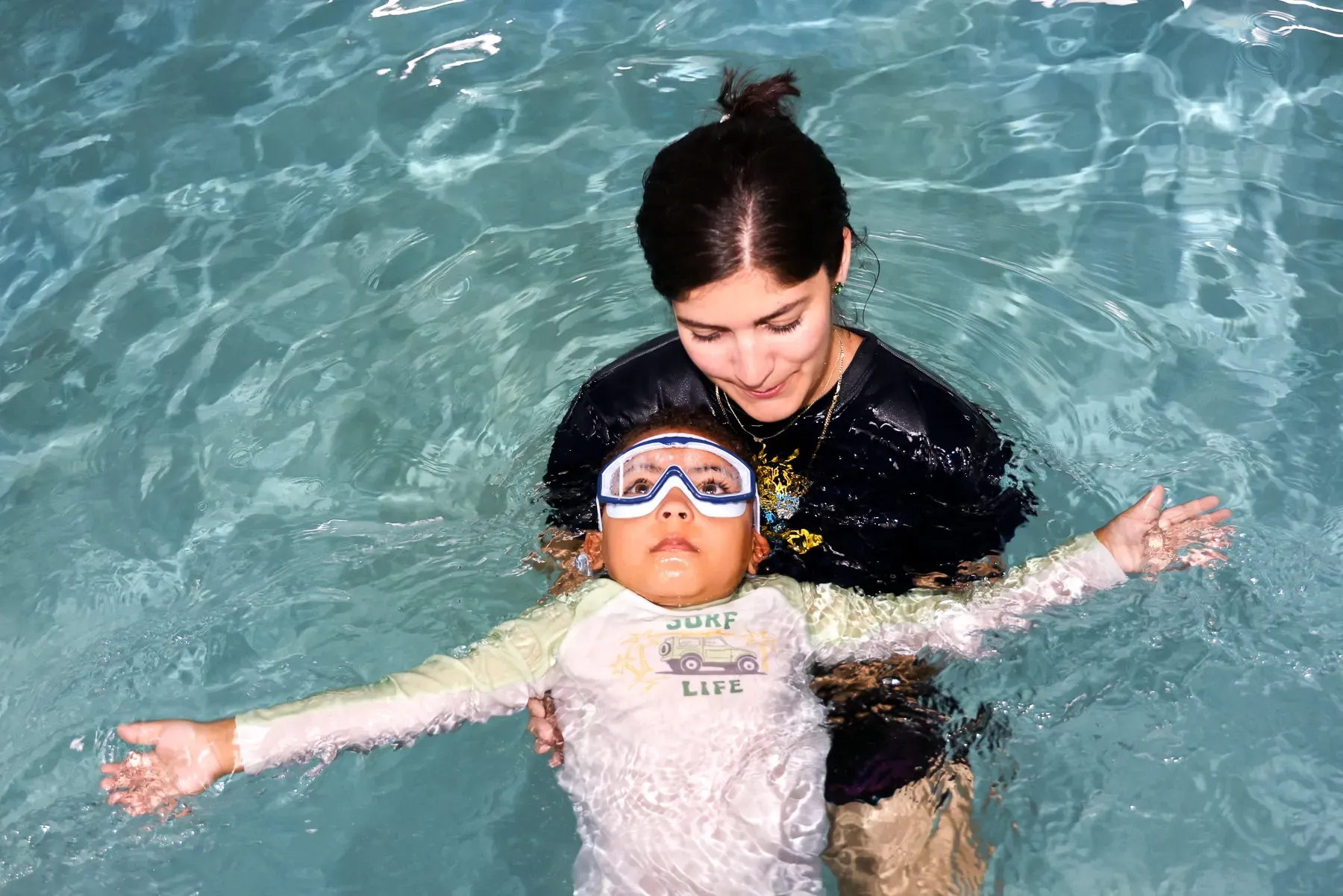
At this stage, lessons aren't about strokes. Baby swim lessons focus on water familiarity, parent-and-baby bonding, gentle breath holding, and supported floating. The goal is simple: help your little one feel calm in the water, because that calm is the foundation on which everything else gets built.
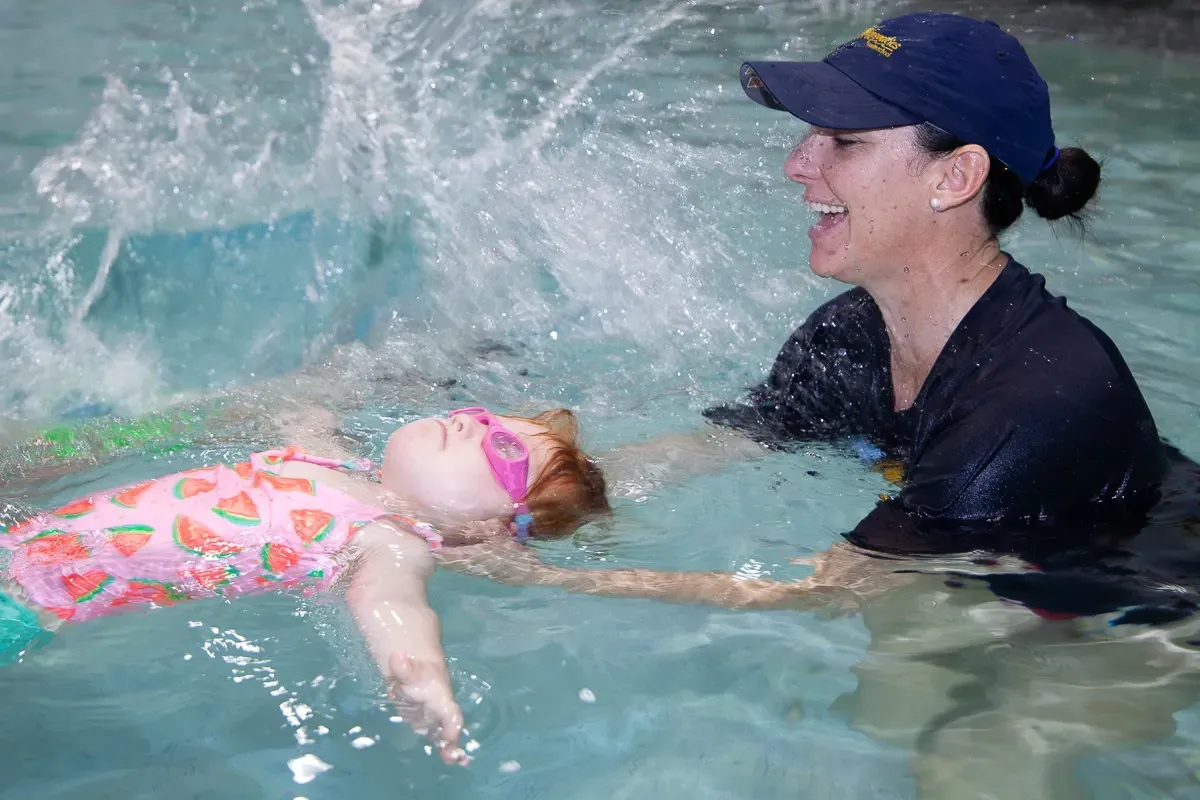
What to expect: Most babies in consistent weekly lessons will, over 6 to 12 months, learn to float with support, blow bubbles, and kick their legs. They won't be swimming independently yet, and that's completely normal.
Toddlers (18 months to 3 years)
Toddler swimming lessons are where you start seeing personality. Some kids leap in (literally), while others need a few weeks just to get used to the pool deck. Both are fine.
By age 2 or 3, with regular practice, toddlers can usually:
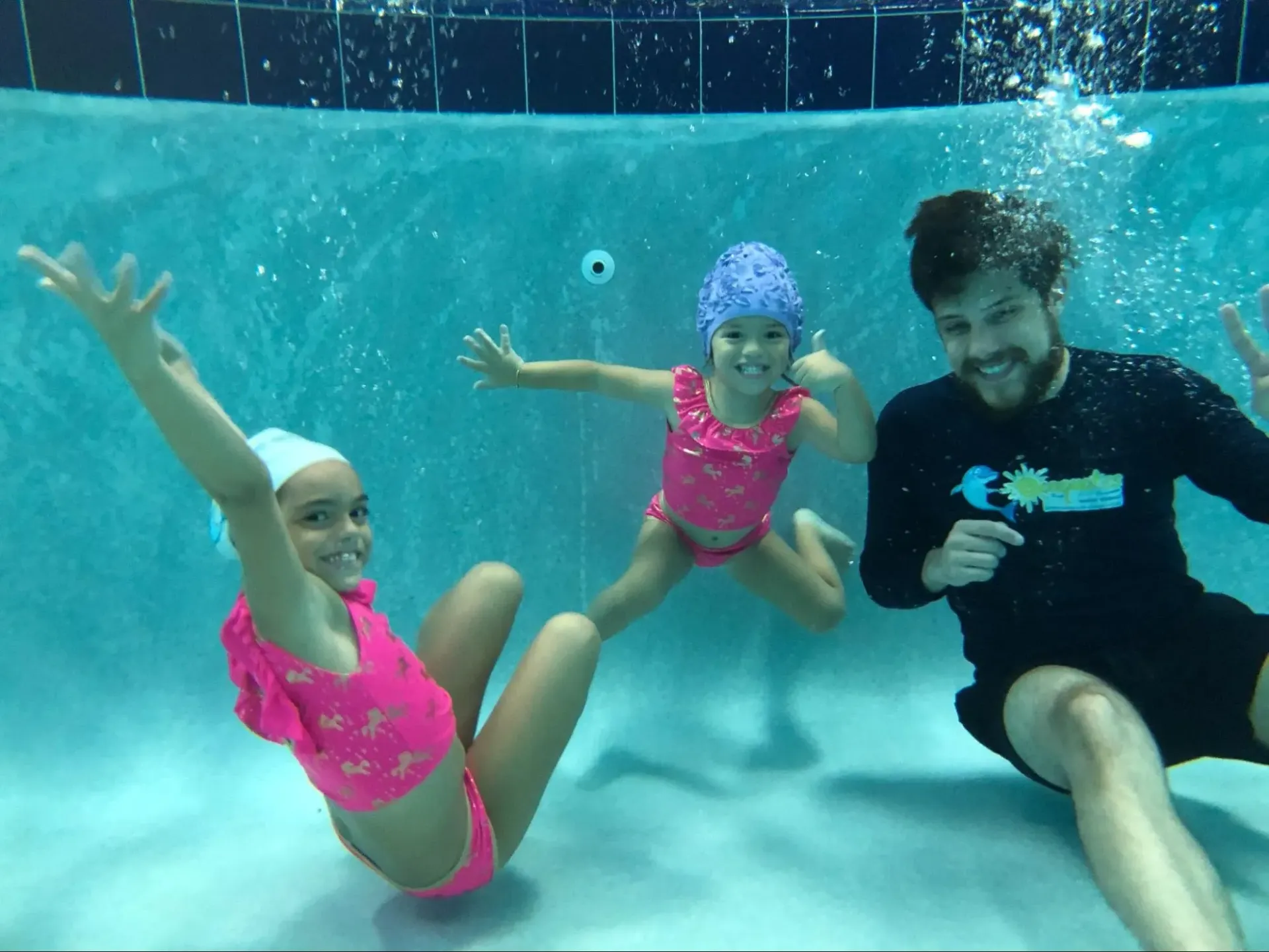
- Submerge briefly without panicking
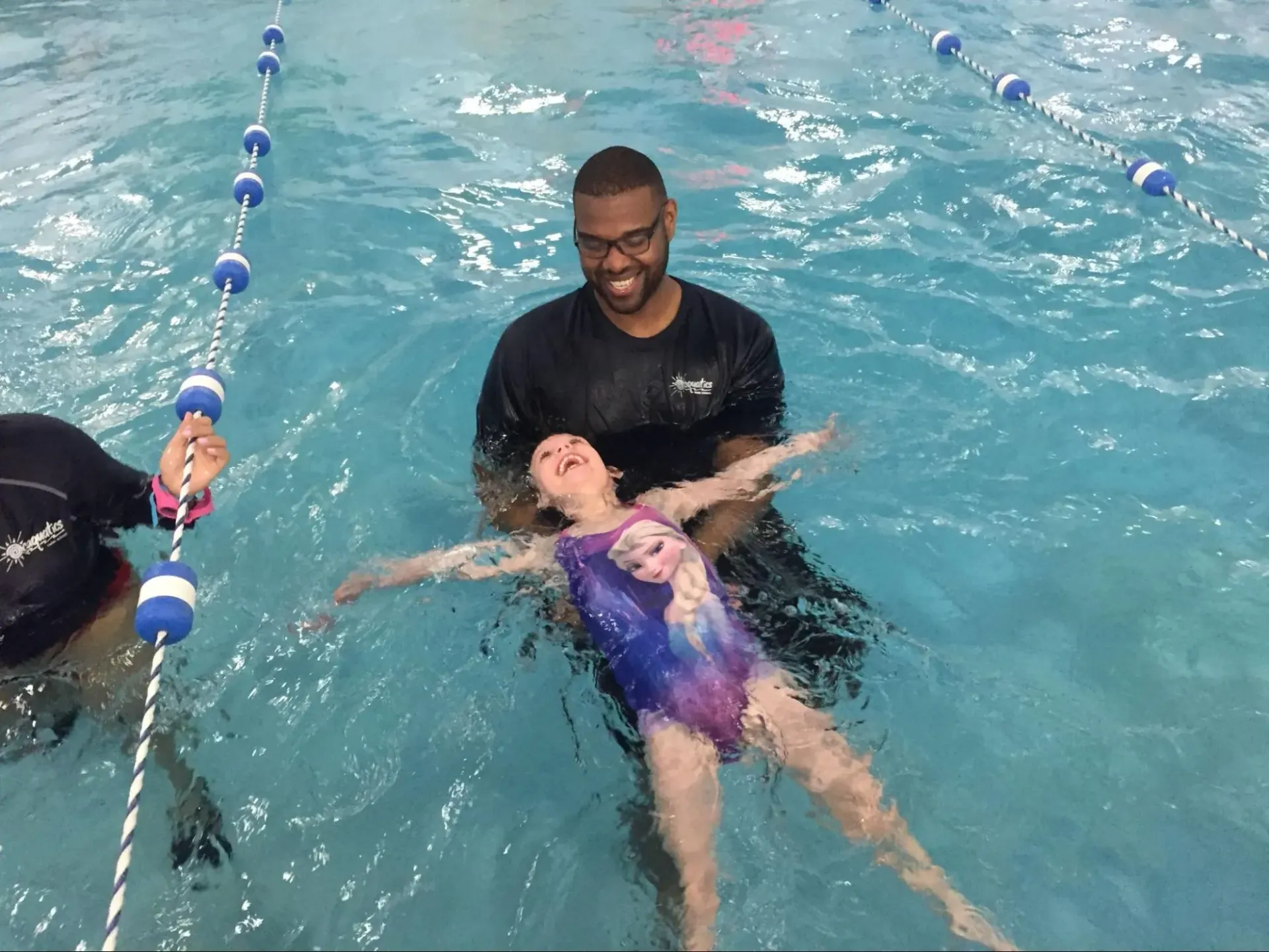
- Float on their back with minimal help
- Kick from one side of a small pool to a parent or instructor
- Climb out of the pool independently, which is a huge safety skill
This stage often takes 12 to 24 months of weekly lessons to build, and the water safety wins are massive.
Preschoolers (3 to 5 years)
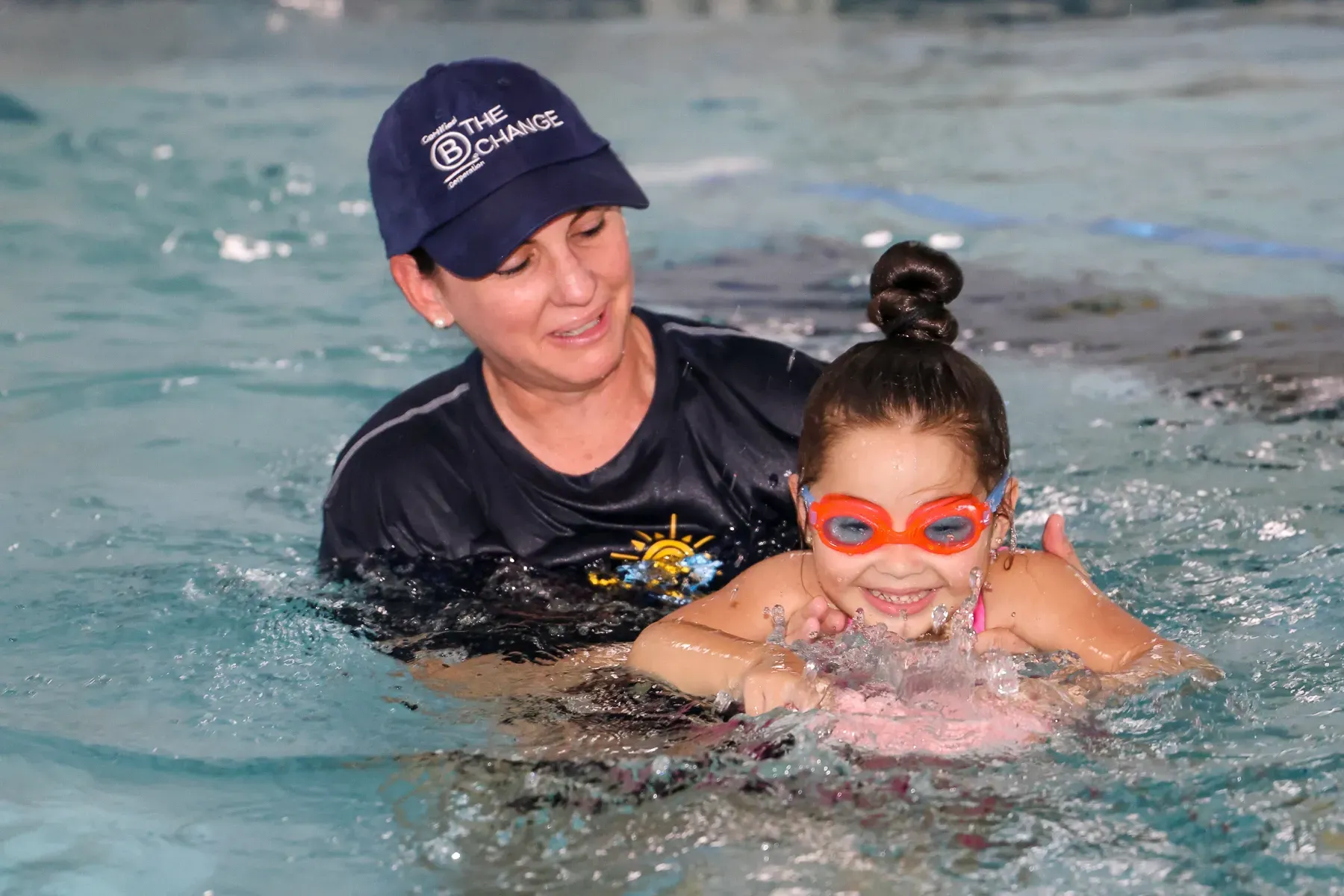
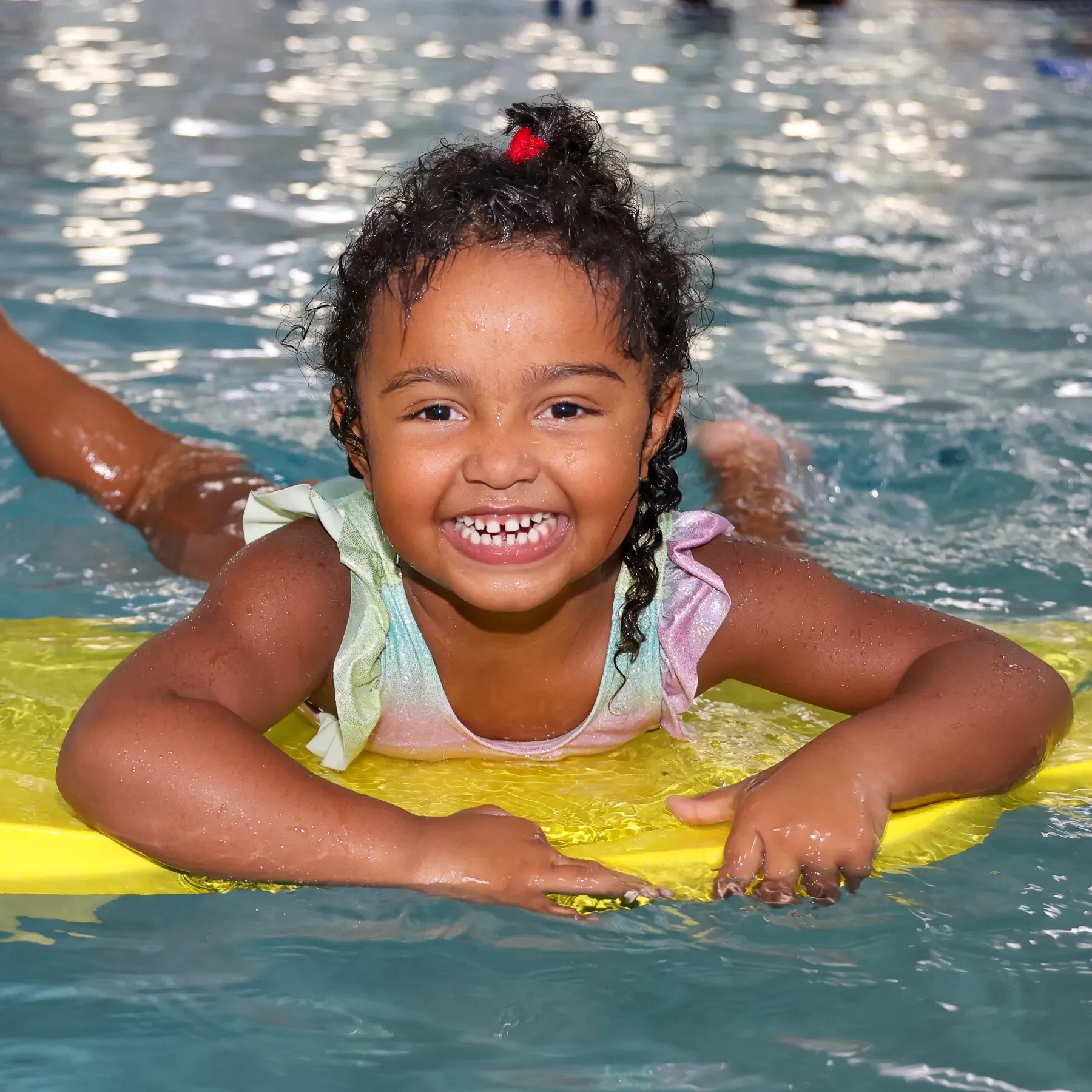
Preschool swimming lessons are when many kids start putting it together. Stronger motor skills and better focus mean faster visible progress. With consistent weekly lessons, most preschoolers can swim short distances independently, do a back float, and recover to the wall within 6 to 18 months.
This is a sweet spot for many Miami and Coral Gables families. Kids are old enough to follow instructions but young enough to build habits that genuinely stick.
School-Aged Kids (6 and up)
If your child is 6 or older and just starting, don't stress. Older kids often progress faster because they can understand instructions, practice deliberately, and build endurance quickly. Beginner swimming lessons for kids in this age range typically lead to basic swimming skills (freestyle with breathing, treading water, swimming a pool length) within 4 to 12 months of consistent weekly classes.
From there, stroke refinement, endurance, and advanced safety skills keep developing for years.
How Many Swim Lessons Does a Child Really Need?
There's no magic number, but here's a useful framework. Think in terms of consistency, not totals.
A child taking one lesson per week, year-round, gets about 50 lessons a year. That's the rhythm that builds real, lasting skill. A summer-only program might give a child 8 to 12 lessons a year, which often means relearning the same basics every spring.
Year-round lessons in heated indoor pools (a real advantage in South Florida, where outdoor pools cool off through winter) keep progress steady. At Ocaquatics, with five locations across Miami, Coral Gables, Kendall, and surrounding areas, classes run year-round with small groups and certified instructors, so kids keep building instead of restarting every season.
Signs Your Child Is Making Progress (Even When You Can't See It Yet)
Sometimes it looks like nothing is happening. Then one Saturday at the pool, your kid just... goes. Here's what to watch for in between:
- Walks to the pool without crying or dragging her feet.
- Put their face in the water, even briefly.
- Listens to her instructor and tries new things.
- Talks about swim class on her own, without prompting.
- Practices floating in the bathtub or kicking her feet in the shallow end at home.
These are the quiet wins. They mean the foundation is forming, even when your child isn't yet swimming the length of the pool.
Your Swim Lesson Timeline Questions, Answered
What's the best age to start swimming lessons?
Most pediatric guidance supports starting formal lessons around age 1, though parent-and-baby water classes can begin as early as 6 months. The earlier kids get comfortable in water, the smoother every later stage tends to go.
How fast can kids learn to swim?
With consistent weekly lessons, many children can swim independently for short distances within 6 to 18 months, depending on age and starting comfort. Older beginners (6 and up) often reach this milestone in 4 to 12 months.
When should kids learn to swim in South Florida, specifically?
Given how much pool, beach, canal, and waterway access families have here, the sooner the better. Most local pediatricians recommend starting some form of water exposure by age 1 to 2, with formal swimming instruction following from there.
Are intensive crash courses better than weekly lessons?
Crash courses can build confidence quickly, but skills tend to fade without consistent practice afterward. Weekly lessons over time produce more durable, lifelong swimmers.
My child cries during lessons. Should I pull her out?
Probably not, at least not right away. Some kids need 4 to 8 weeks just to settle in. Talk to the instructor, watch for small signs of progress, and give it time before making a big call.
How will I know my child is "really" swimming?
Look for independent movement across the pool, controlled breathing, the ability to roll onto her back to rest, and the awareness to find the wall. That combination, not just splashing forward, is real swimming.
Where Your Child's Swim Journey Begins
Learning to swim isn't about hitting a deadline before vacation or beating the kid down the street. It's about giving your child the comfort, skills, and water awareness to enjoy the pool, the beach, and every birthday party for the rest of her life. Whether your baby is just discovering what bubbles feel like or your 7-year-old is fine-tuning her freestyle, every lesson is one more brick in that foundation.
If you're ready to start (or restart) that journey, Ocaquatics has five heated indoor pool locations across Miami, Coral Gables, Kendall, and surrounding neighborhoods, with year-round lessons starting at just 6 months old.
Contact us today and enroll your kids so they can start building water confidence at their own pace, on their own timeline.