



Swim Cap for Kids: Small Habit, Big Difference in the Pool
You're getting your child ready for swim lessons. You've packed the towel, the goggles, and the change of clothes. But then someone mentions a swim cap, and you think: do they actually need that?
It's a fair question. A lot of parents in Miami-Dade County skip the swim cap because it feels optional. Nobody's explained why it matters, and getting a kid to wear one on top of everything else feels like one more battle before they even hit the water.
This post breaks down exactly what a swim cap for kids does, why so many swim schools require them, and how wearing one can make lessons easier for your child and your post-swim routine a lot less chaotic.
Do Kids Actually Need a Swim Cap for Swimming?
Not always, but they're almost always worth it.
Swim caps aren't mandatory the way goggles are. But they serve real, practical purposes that go beyond just keeping hair dry (and for the record, they don't keep hair fully dry anyway). A swim cap for kids reduces drag, keeps hair out of the face, protects against some chlorine exposure, and helps maintain pool hygiene. Those benefits add up fast, especially if your child is in regular lessons.
At Ocaquatics, a children's swim school with five heated indoor pool locations across South Florida, swim caps are encouraged as part of building good swimming habits from the start.
The Real Reason Pools Ask Kids to Wear Swim Caps
Hygiene in Shared Pool Water
Public and semi-private pools see a lot of swimmers every day. Loose hair is one of the main culprits behind clogged drains and filters. When kids wear swim caps, they help keep hair out of the water, which makes the pool easier to maintain and cleaner for everyone.
This is especially relevant in group swim classes where multiple kids are in the water at the same time. A cleaner pool means a healthier environment for your child.
It's a Pool Rule (and Following It Matters)
Some swim facilities require caps. When that's the case, showing up without one can mean sitting out. Getting your child into the habit of wearing a swim cap early means one less surprise when they move into more structured programs.
How a Swim Cap Helps Kids During Swimming Lessons
Hair Out of the Face Means Better Focus
This one's underrated. When a child's hair floats in front of their face mid-stroke, they stop to move it, lose track of their instructor, and break their rhythm. That might sound minor, but in a 30-minute lesson, that kind of distraction adds up.
A swim cap holds everything back so your child can see clearly, pay attention, and actually practice what they're being taught. Less fussing. More learning.
A Smoother Feel in the Water
A swim cap creates a sleeker surface around the head. For kids just starting to work on their stroke technique, that reduced drag can feel a little easier and more natural. It won't turn a beginner into a competitive swimmer overnight, but it does remove one small physical obstacle.
Does a Swim Cap Actually Protect Kids' Hair from Chlorine?
It helps, but let's be honest: a swim cap won't create a watertight seal. Water still gets in. That said, it does reduce direct exposure, which makes a difference over time.
Chlorine can dry out hair, cause tangles, and, in some cases, affect hair color. Kids with longer hair, natural hair, or color-treated hair are especially vulnerable to these effects. Using a swim cap for kids adds a layer of protection that, combined with rinsing hair before and after swimming, can significantly cut down on damage.
It also makes post-swim hair care easier. Less water absorbed means less time detangling and blow-drying when you get home.
Choosing the Right Swim Cap for Your Child
Silicone vs. Latex vs. Lycra
These are the three most common types, and they each feel different on a child's head:
- Silicone caps: the most popular for kids. They're stretchy, durable, and gentler on hair when you pull them on and off. They last longer and are easier to manage, which makes them a good starting point.
- Latex caps: thinner and cheaper, but some kids (and adults) have latex sensitivities. They also tend to pull hair more when removing.
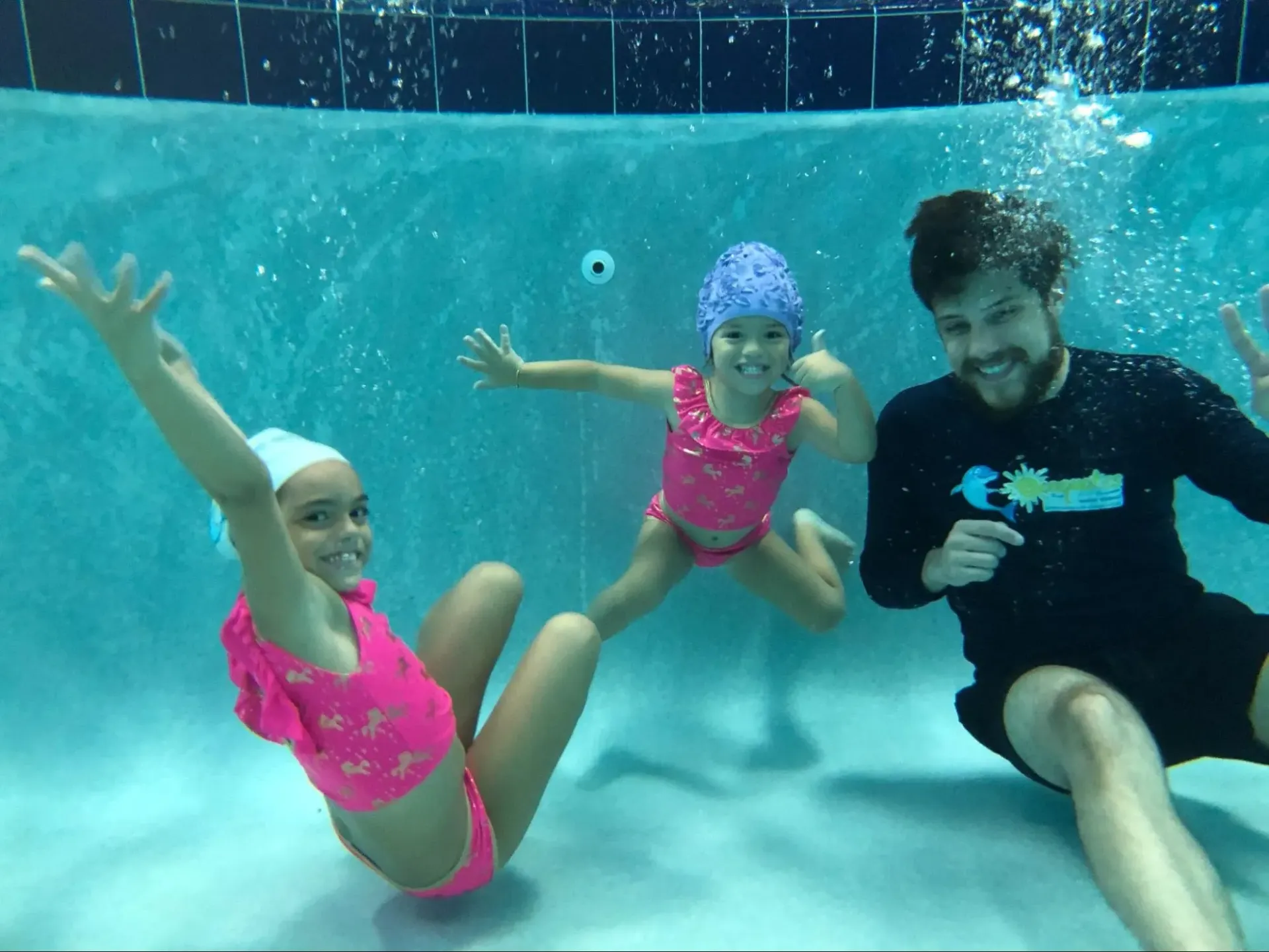
- Lycra caps: the most comfortable to wear, but offer the least water resistance. They're a solid option for kids who really struggle with the tighter feel of silicone or latex.
Fit Matters More Than You Think
A cap that's too tight will be uncomfortable and create resistance before your child even gets in the water. One that's too loose will slip off mid-lesson. Look for caps labeled for children or juniors, and if possible, let your child try a few options before settling on one.
Your Swim Cap Questions Answered
Are swim caps required for children's swim lessons?
It depends on the swim school. Some require them; others encourage them. Even when they're not mandatory, they're generally a good idea for hygiene and focus reasons.
My child hates wearing a swim cap. What can I do?
Start by letting them pick one they like. There are caps in bright colors, fun patterns, and characters they might recognize. Practice putting it on at home so it doesn't feel like a surprise at the pool. Framing it as something older or more advanced swimmers do can also help.
Will a swim cap keep my child's hair completely dry?
No. Swim caps reduce water exposure but don't create a full seal. If keeping hair dry is the main goal, pairing a cap with a good pre-swim rinse and a little leave-in conditioner is the best approach.
Do swim caps work for kids with natural or thick hair?
Yes, though the fit and style matter. A larger silicone or dome-style cap tends to work better for thicker or curlier hair. Some parents also use a satin-lined cap underneath for extra protection.
At what age should kids start wearing swim caps?
There's no strict rule. If a child is taking regular lessons, any age where they can tolerate wearing one is a good time to start building the habit.
Ready to Make Swim Lessons Easier?
Whether your child is just getting started or already working on their strokes, small habits like wearing a swim cap can make a real difference in the long run. Less distraction in the water, less damage to their hair, and fewer post-swim battles at home.
At Ocaquatics, our five South Florida locations serve kids across Miami, Coral Gables, Kendall, and the surrounding areas. No registration fees, no enrollment fees, and instructors who understand that every child is different. If you have questions about what your child needs for their first lesson, reach out. We're happy to help.
Contact Ocaquatics today and take the first step toward a confidence-building swim experience for your child.