


Private Swim Lessons for Kids: Are They Worth It?
If you've started looking into swim lessons for your child here in Miami, you've probably hit the same fork in the road every parent does: private or group? Here's the honest answer up front. Private swim lessons for kids are worth it in certain situations, but they're not automatically the better choice. Most kids make strong, steady progress in small-group classes that give them plenty of personal attention, usually at a fraction of the price.
The trouble is, a lot of us assume private has to be best, then do a double-take when we see the cost per session. At the same time, we picture group classes as a crowded pool where our kid floats around waiting for a turn. Neither picture is quite right. In this post, we'll walk through the real differences between private and group lessons, what each one tends to cost, when private genuinely makes sense, and how to spot the option that gives your child close attention without stretching your budget. By the end, you'll be able to make the call that fits your child and your wallet instead of guessing.
Are private swim lessons worth it for kids?
For most children, no, private lessons aren't necessary, and a good small-group class will get them there just as well. For a smaller group of kids, yes, private is absolutely worth it.
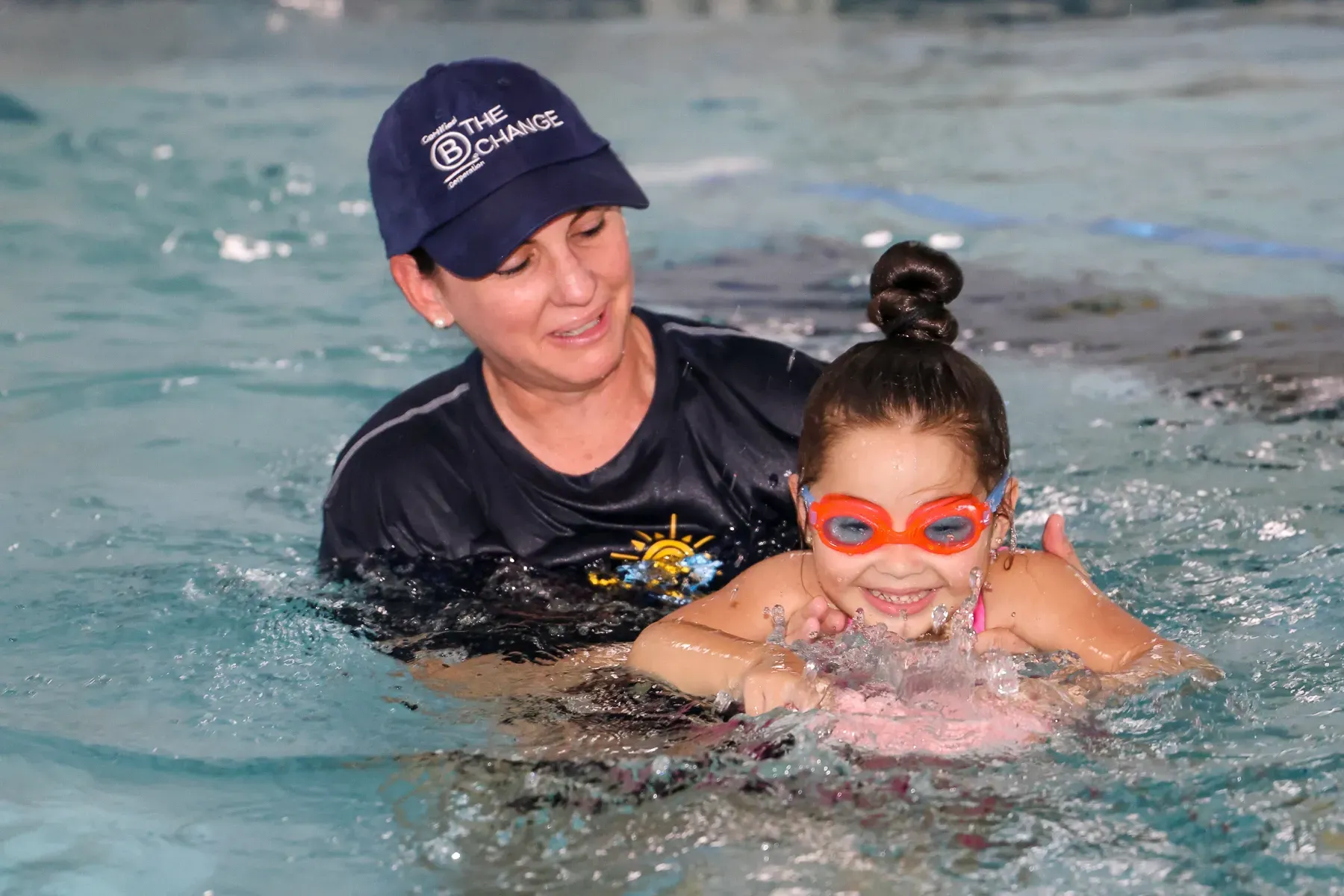
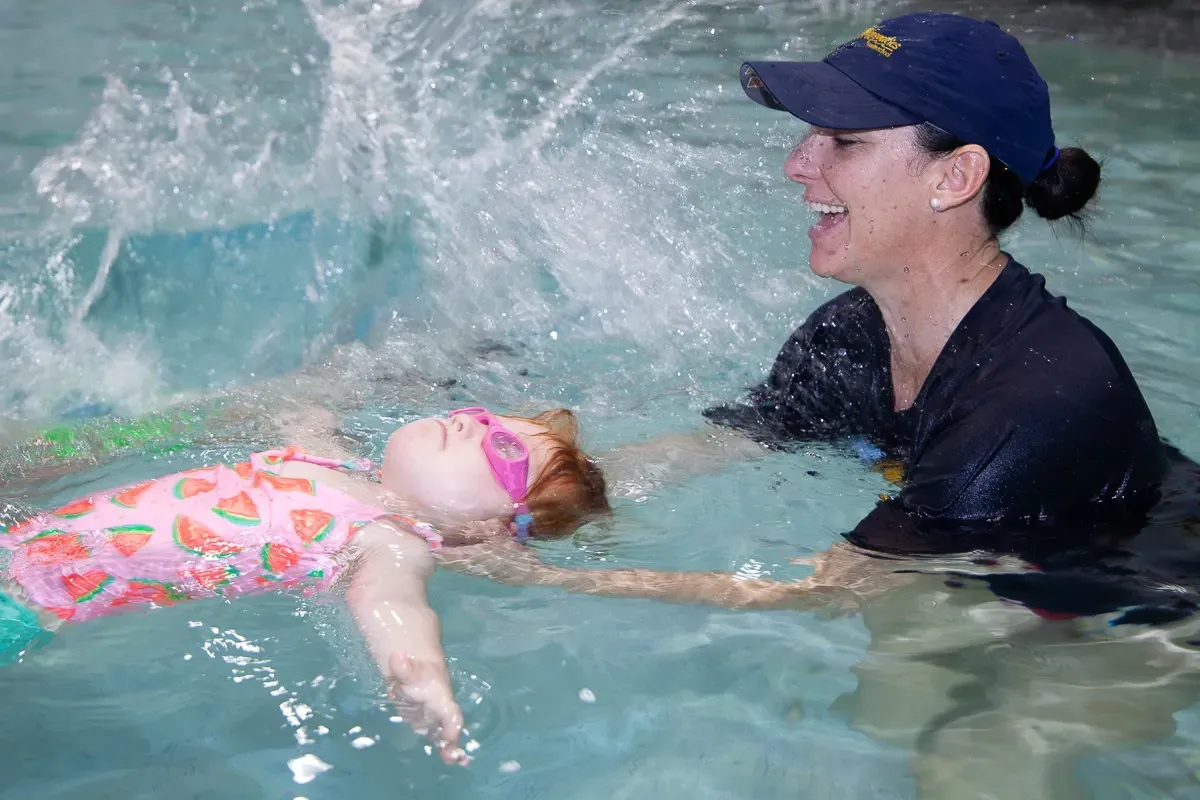
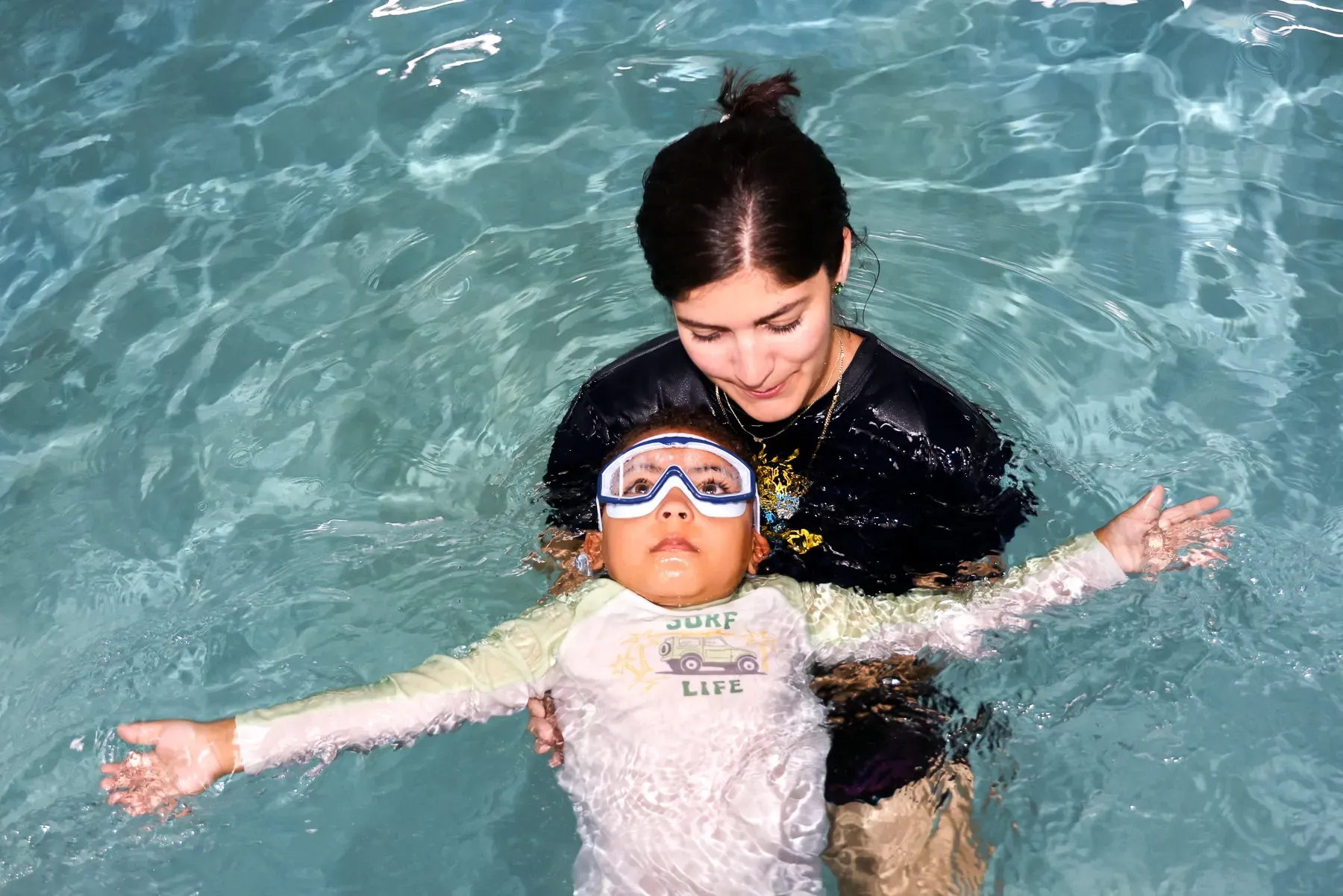
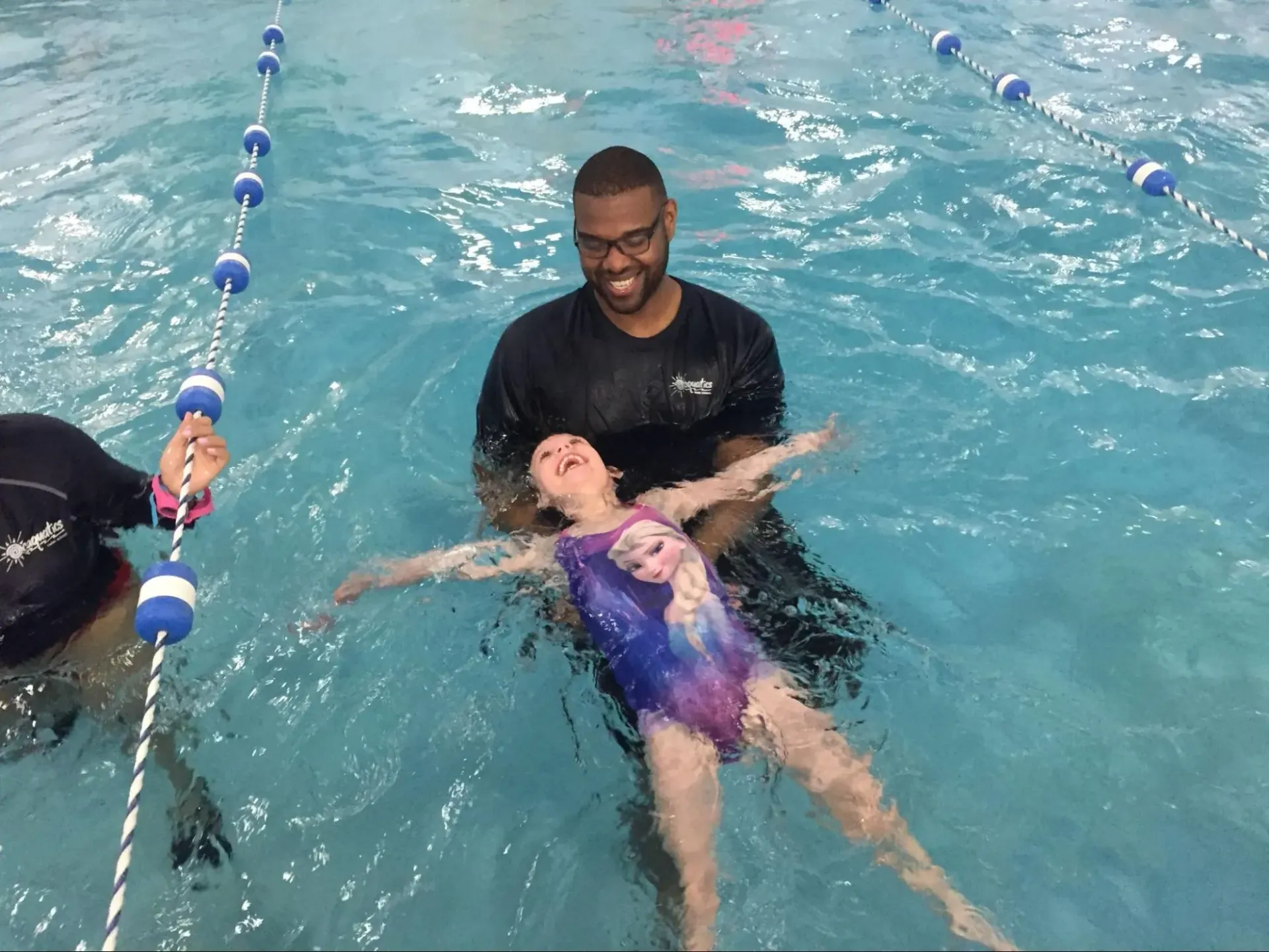
Private lessons earn their price when a child needs something a group can't easily give. Think of a kid who freezes up the moment there's a crowd, a child with sensory sensitivities who gets overwhelmed by noise and splashing, or a swimmer working through a specific fear after a scary moment in the water. Private also helps when you're up against a deadline, like a beach trip to the Keys in three weeks, or when your schedule is so packed that you need total flexibility on timing.
If your child is confident, social, and happy to take turns, you're probably paying for one-on-one attention they don't really need. A calm, low-ratio group can do the job and your child gets the bonus of watching other kids try, struggle, and succeed right alongside them.
Private vs. group swim lessons: what's the real difference?
The honest difference comes down to the student-to-teacher ratio, which is just how many kids one instructor is watching at once.
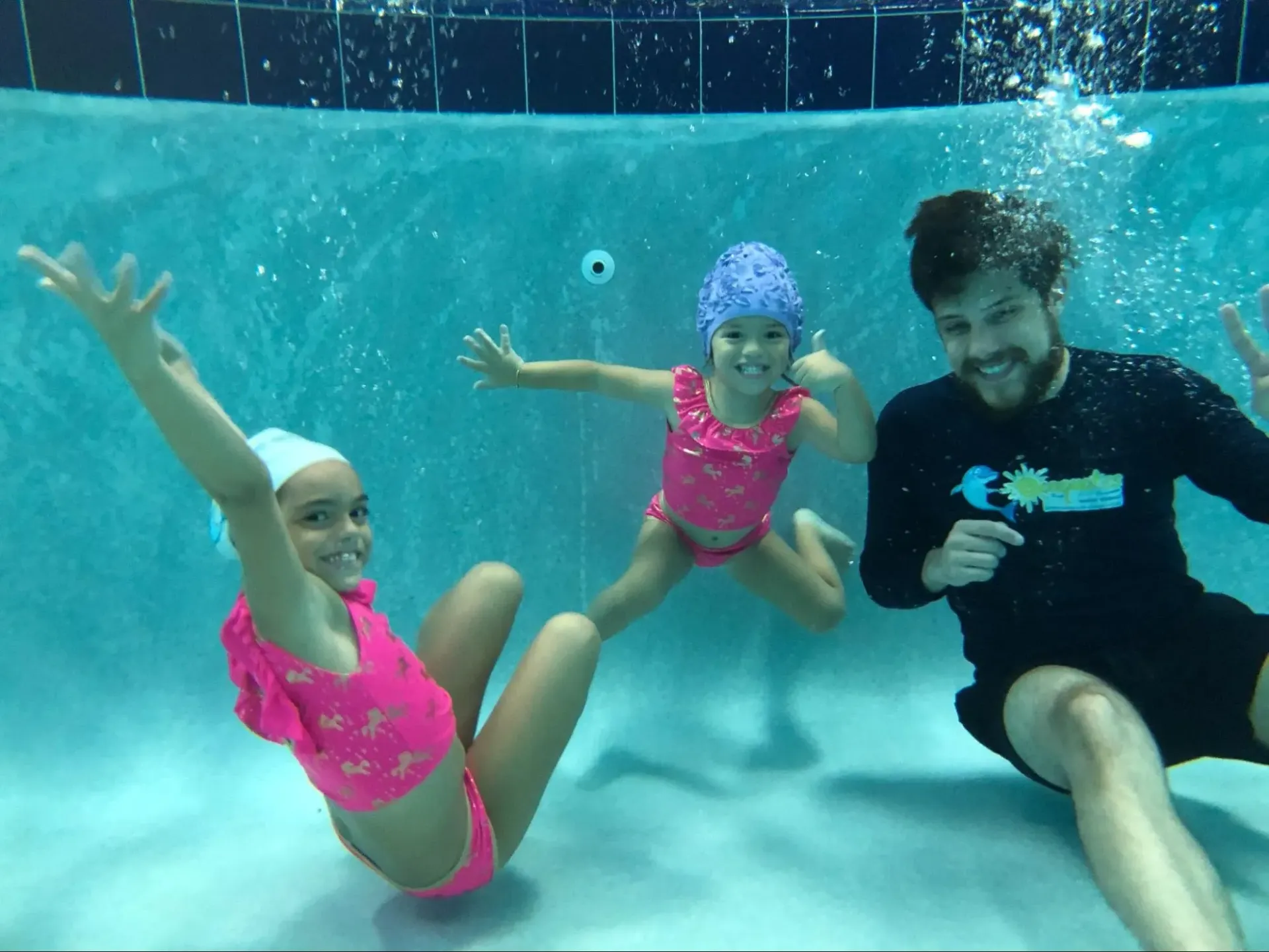
Private lessons are one-on-one, so the instructor's eyes never leave your child. Semi-private usually pairs two kids, often siblings or friends, who split the instructor's time. Small-group classes keep the ratio low, maybe three or four children per teacher, so everyone gets real coaching and almost no standing around. Large group classes pack more kids per instructor, and that's where the "crowded pool" worry actually comes true.
So when parents imagine a chaotic class where their kid waits forever for a turn, they're usually picturing a high-ratio group, not a low-ratio one. A small-group class with three kids and one focused teacher feels nothing like a packed public pool on a hot Saturday in Kendall. Your child gets corrected, cheered on, and kept moving the whole time.
How much do private swim lessons cost?
This is the part that makes parents pause, and for good reason. Private lessons are the priciest option per session because you're paying for one instructor's full, undivided time. Semi-private brings the cost down since two families share that time. Small-group lessons usually land lowest per child, because the instructor's attention (and the cost) is shared across a few swimmers.
The real question isn't just the sticker price, it's the value per dollar. A private lesson buys maximum attention. A small-group lesson buys plenty of attention at a much friendlier rate, plus your child gets to learn in a social setting. For a lot of Miami families, that trade is an easy yes. The trick is comparing apples to apples: a low-ratio small group is a very different product from a big group class, even if both are labeled "group."
And if cost is the real barrier, know that help exists. Programs like Step Up For Students offer financial assistance to eligible Florida families, which can put quality lessons within reach.
Do kids learn faster with private swim lessons for kids?
Sometimes, but not for the reason most parents think. Private can speed things up because every minute is spent on your child. What actually drives progress, though, is consistency, a skilled instructor, real water time, and a child who feels comfortable enough to try new things. Format is only one piece.
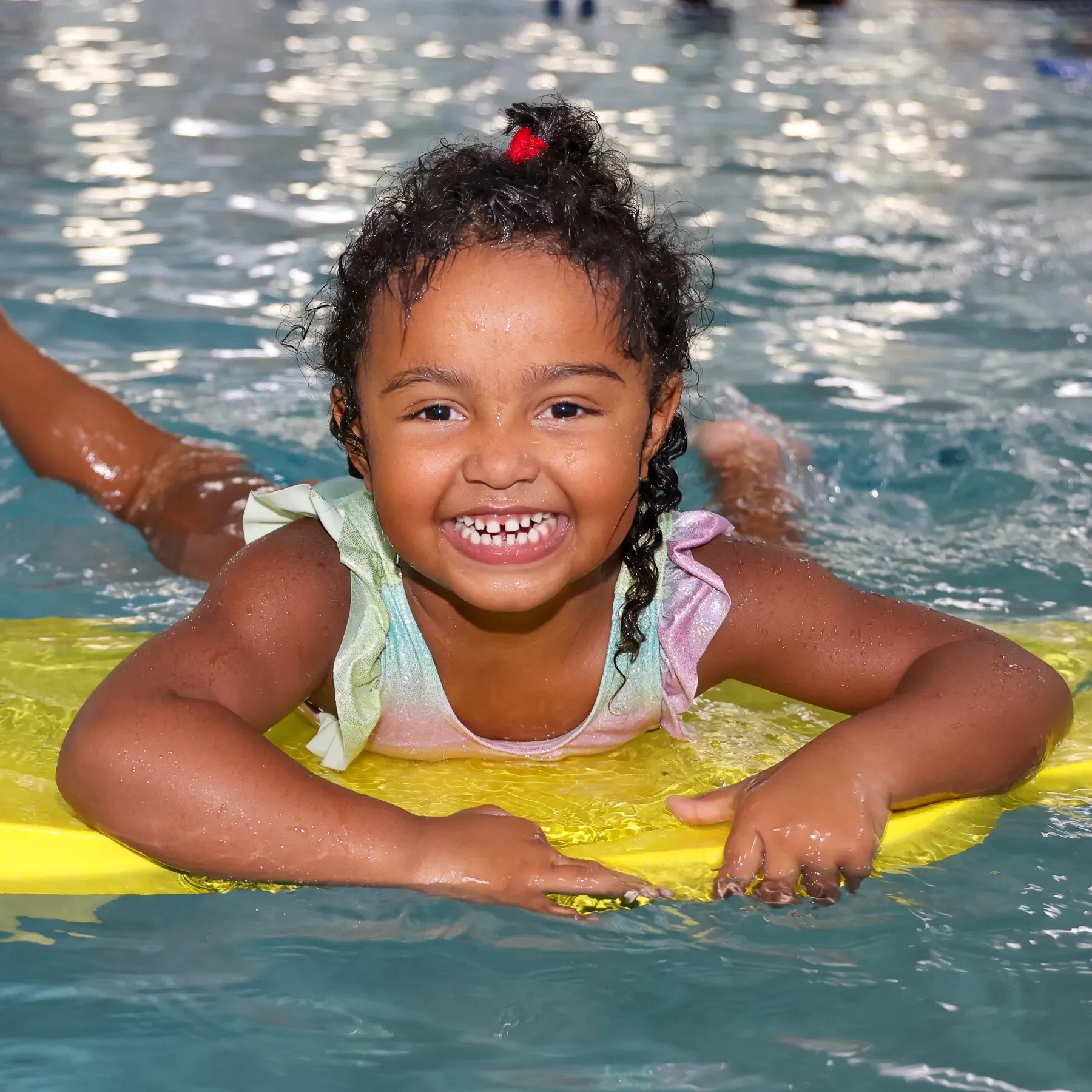
Here's the part that surprises people. A nervous child often learns faster in a calm, small group than in a one-on-one lesson. When it's just them and an adult, all that attention can feel like a spotlight, and a shy kid can shut down. Put that same child in a tiny group where they watch another four-year-old blow bubbles and grin, and suddenly the water looks a lot less scary. Kids borrow courage from each other. That social spark can move a hesitant swimmer forward in a way a private lesson sometimes can't.
For a confident kid, the difference in speed between a low-ratio group and a private one is usually small. For a fearful kid, the right environment matters more than the ratio.
Finding the sweet spot: small-group classes with personal attention
For most families, the smartest answer sits in the middle. You want your child seen, coached closely, and kept safer in the water, but you don't want to overpay for attention they may not need every single session. A low-ratio small-group class gives you exactly that.
This is the model Ocaquatics is built around. With five heated indoor pool locations across South Florida, including Miami, Coral Gables, and Kendall, classes keep ratios low so each child gets close, personal coaching while still learning beside other kids. The pools stay at a cozy 90°F year-round, which matters more than parents expect, since a warm, relaxed child learns faster than a shivering one. Lessons start as early as six months, instructors get to know each swimmer's pace and comfort level, and a mobile app lets you track your child's progress between visits. It's personal attention without the full private-lesson price tag.
Frequently asked questions
At what age can my child start swim lessons?
As early as six months. Early water classes focus on comfort, breath cues, and gentle skills, building the foundation that makes later swimming click.
Private or group swim lessons for toddlers?
For most toddlers, a low-ratio small group works beautifully. Little ones often relax faster when they see other kids splashing happily, and the social setting keeps them engaged. Go private if your toddler is extremely fearful or has sensory needs that a group setting overwhelms.
Are semi-private lessons a good compromise?
They can be, especially for two siblings or friends close in skill level. You get a low ratio and shared cost. Just make sure both kids are at a similar stage, or one may end up waiting while the other catches up.
How do I know if my child needs private lessons?
Watch how they handle new and busy situations. If your child tends to freeze, panic, or completely tune out in groups, private time may help them feel safer first. If they're curious and social, a small group is usually plenty.
What's a good student-to-teacher ratio for kids' swim lessons?
Lower is better for young children. A few kids per instructor means real coaching and very little waiting around, which is the whole point of choosing a quality class over a crowded one.
Choosing the lesson that fits your child
There's no single right answer here, only the right answer for your child. Be honest about their personality, their comfort in the water, and what you can comfortably spend. For many Miami kids, a low-ratio small group hits the sweet spot: close attention, steady progress, and a price that doesn't sting. For others, private is genuinely the better fit, and that's okay too.
If you're in Miami, Coral Gables, or Kendall and want a warm, structured program where your child gets real personal attention, the team at Ocaquatics would love to help you find the right class.
Contact us to tour a location and see the small-group difference for yourself.