


Survival Swim Lessons: What They Are & What to Expect
Survival swim lessons teach infants and young children, usually between 6 months and 6 years old, self-rescue skills for an unexpected fall into the water. The core skill is learning to roll onto the back to float, rest, and breathe until help arrives. Older toddlers typically progress to a swim-float-swim sequence they can use to reach the wall or the steps. These programs usually run as short, frequent sessions over several weeks, and because young children forget skills as they grow, ongoing practice matters no matter where a child learns.
If you're raising little ones in Miami, Coral Gables, or Kendall, you've probably seen the videos. A baby in a diaper tips into a pool, rolls over, and floats calmly on their back. Some parents watch that and think, "I need that for my child yesterday." Others feel a knot in their stomach and wonder if it's too intense. Both reactions are completely normal.
With canals behind so many neighborhoods, condo pools downstairs, and backyard pools next door, South Florida parents don't have the luxury of treating water safety as optional. This post walks you through what survival swim lessons actually teach, what a typical program looks like week to week, how the approach compares with progressive lessons, and how to choose a path that fits your child. By the end, you'll be able to make this decision with clear information instead of a viral video.
What Do Survival Swim Lessons Actually Teach?
The heart of every survival swim program is one scenario: a child ends up in the water when no one planned for it. Maybe they chased a ball to the pool deck. Maybe they slipped off a step. The lessons train a specific response for that moment.
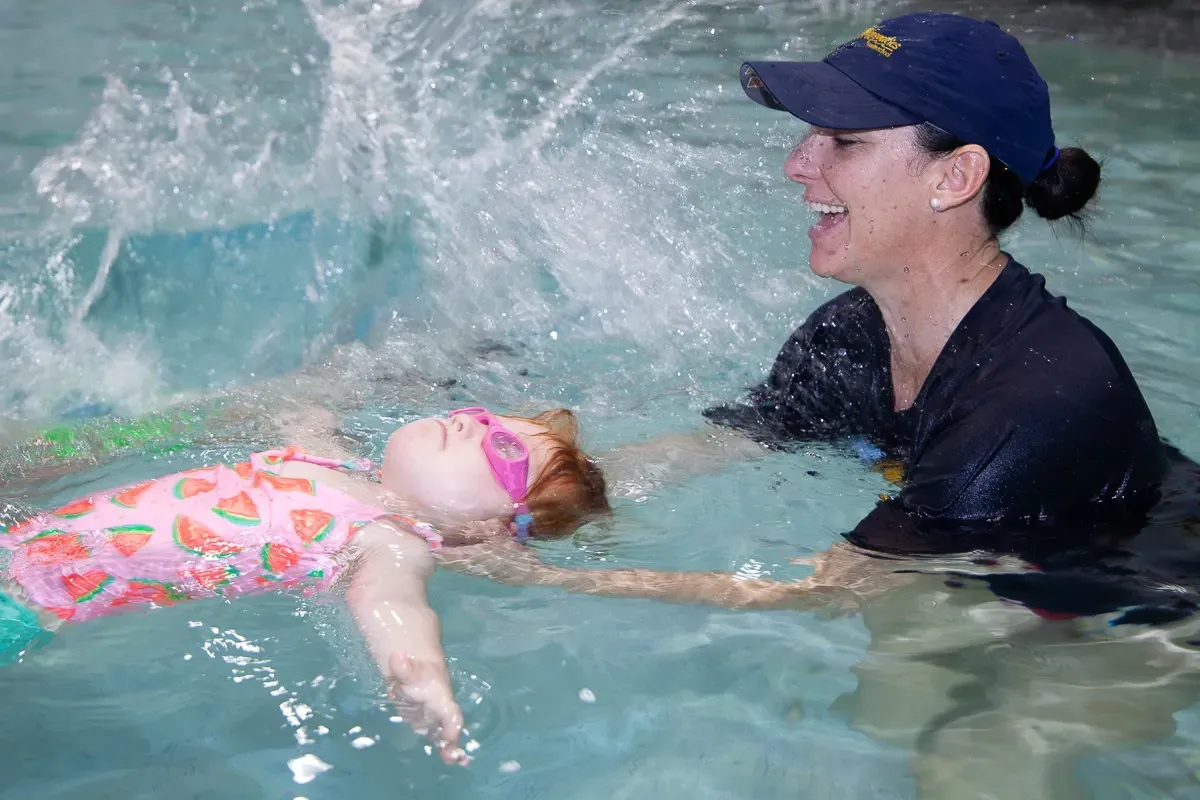
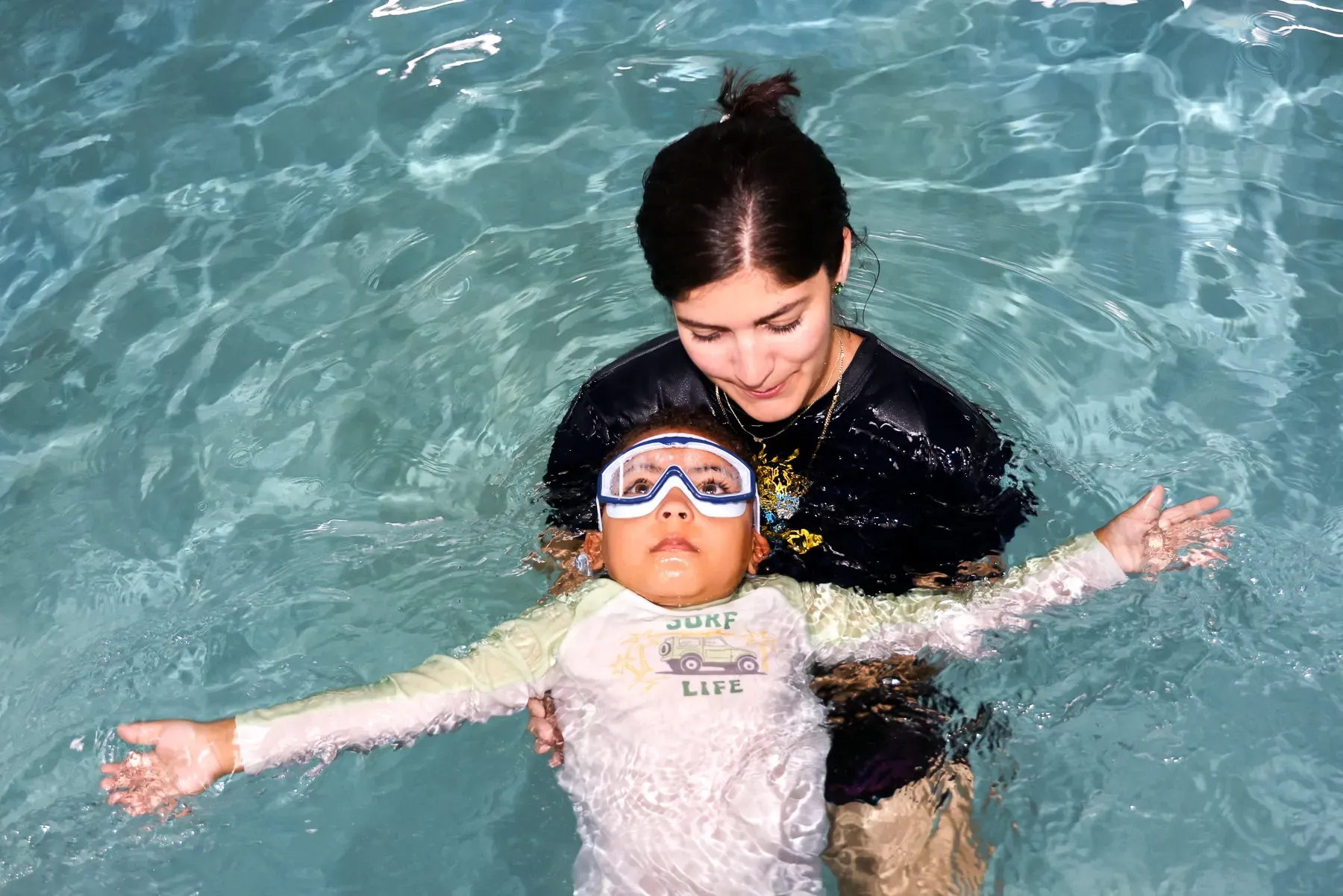
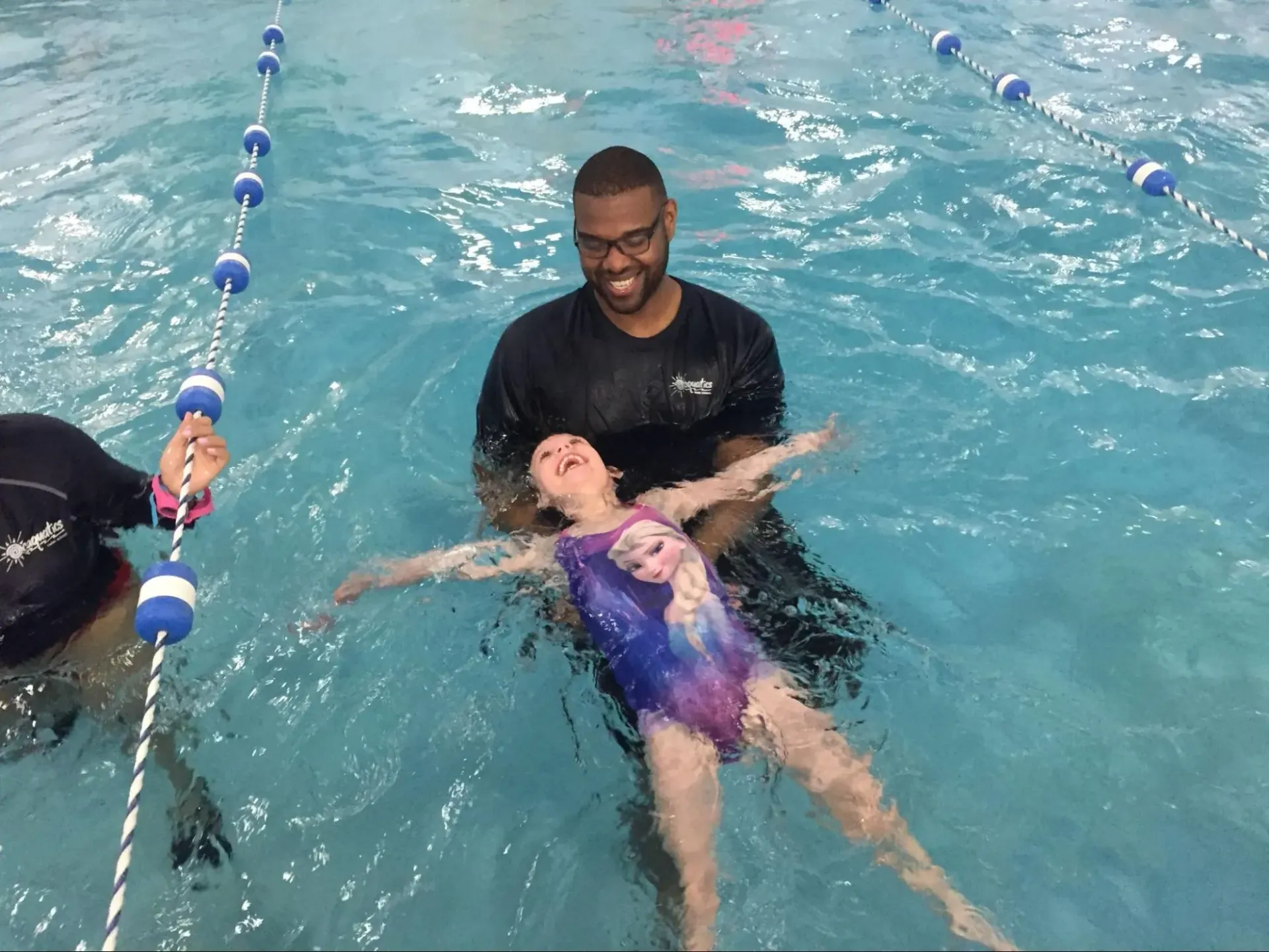
For babies, that response is rolling onto the back and holding a steady float, face out of the water, chest up, breathing calmly. Instructors practice this over and over, in swimsuits and sometimes in regular clothes, because a child who falls in is usually dressed for the playground, not the pool.
For toddlers and preschoolers who can move through the water, programs add the swim-float-swim sequence. The child swims a few feet with their face in the water, rolls onto their back to rest and breathe, then rolls back over and keeps swimming until they reach the wall, the steps, or shallow water. Breath control ties all of it together. Kids learn to close their mouths when their face goes under and to time their breathing with each roll.
What Does a Typical Survival Swim Program Look Like?
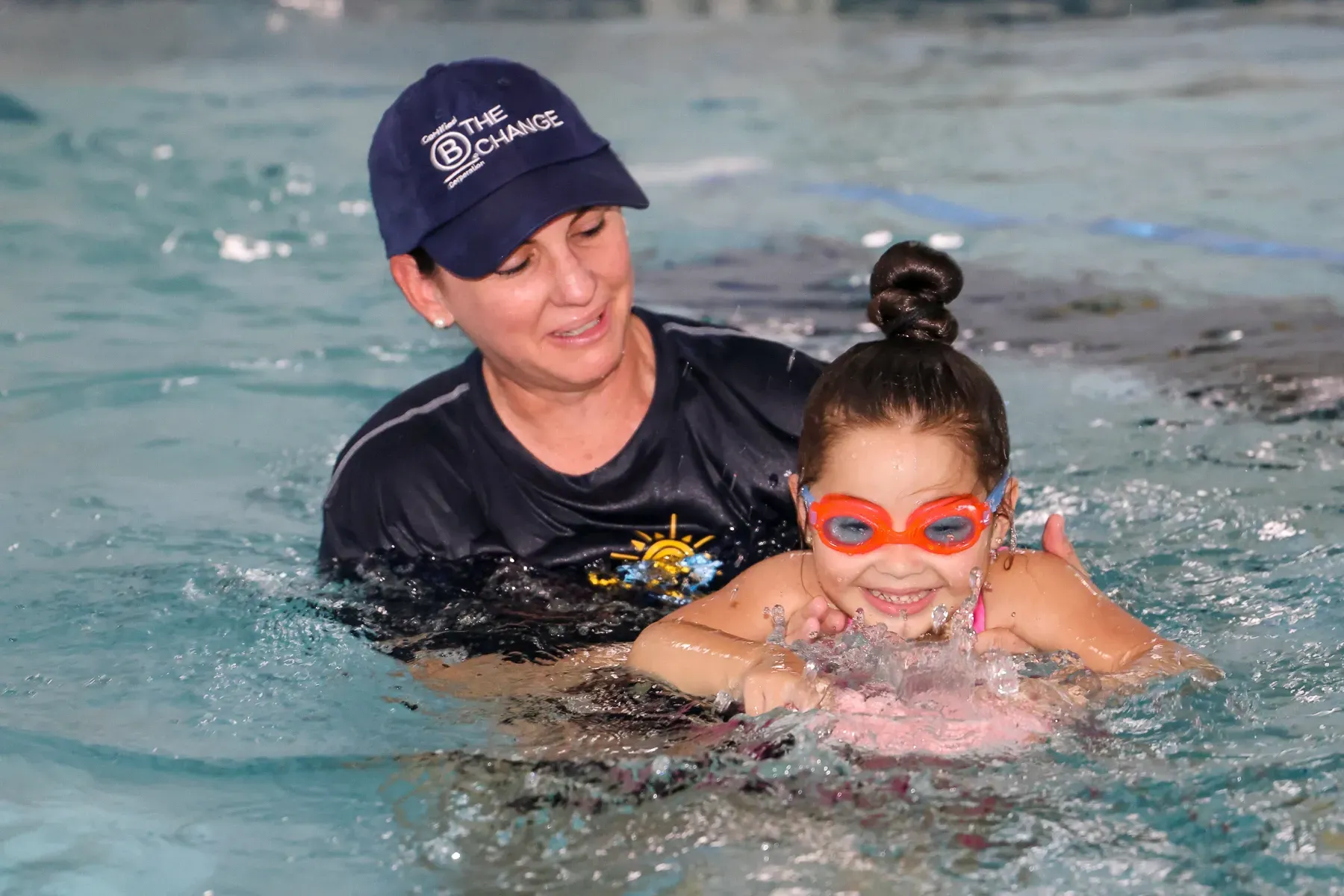
Most survival swim programs run as short lessons, often around 10 minutes, held several days a week for four to eight weeks. Many are taught one-on-one, with the instructor guiding the child through repeated practice of the same skills until they become automatic.
Here's the part parents deserve to hear honestly: some crying early on is common in survival-style formats. The lessons are focused and repetitive, and very young children can't be told why they're practicing. Most programs expect this and consider it part of the process, and many kids settle in after the first week or two. Still, it's a real factor when you're thinking about your own child's temperament. A cautious toddler and a fearless one may experience the same lesson very differently.
One more thing to plan for: the skills fade. A back float a child masters at 14 months doesn't automatically stick around at age 3. Bodies grow, proportions change, and memories of infancy don't carry forward. That's why reputable survival programs build in refresher sessions, and why consistency matters wherever your child learns.
Survival Swim vs. Traditional Swim Lessons: What's the Real Difference?
The two approaches differ mostly in order and pacing, not in destination.
Survival swim programs put self-rescue first. The priority is getting a child to a reliable back float as fast as possible, then layering swimming on top. Sessions are intense and frequent over a compressed timeline.
Progressive swim lessons build the same safety foundations over a longer arc. Children practice breath control, floating, rolling over to breathe, and getting to an exit, and they do it alongside water comfort, play, and early stroke skills. The pace follows the child, which usually means less crying and more time before skills become fully independent.
Neither path replaces the other layers of protection. Fences, pool alarms, and an adult actually watching the water still do the heavy lifting. The American Academy of Pediatrics recommends swim lessons as one layer among several, starting as early as age 1 for many children, and no lesson format changes the rule that little ones near water need eyes on them at all times.
How Do These Skills Fit Into Ongoing Lessons?
The self-rescue skills at the center of survival swim are also core to a progressive curriculum. At Ocaquatics, a swim school that's been teaching Miami families since 1994, babies as young as 6 months practice floating, rolling onto their backs, breath control, and getting to the wall as part of the regular class progression. The difference is the wrapper: small classes, warm 90-degree indoor pools, and a pace matched to each child, so the safety skills grow alongside confidence instead of ahead of it.
To be clear about positioning, this is not a survival swim or self-rescue certification program. It's a progressive school where the same foundational skills are built and, just as important, maintained. Weekly lessons through the year keep the back float fresh at 18 months, at 3 years, and at 5 years, which solves the fading problem that every parent of a growing swimmer eventually runs into. If you're weighing when to begin, this guide on the best age to start swim lessons breaks it down stage by stage.
Frequently Asked Questions About Survival Swim Lessons
When can babies start survival swim lessons?
Most survival swim programs accept babies around 6 months old, once they can sit up and hold their head steady. That's also the age at which many progressive schools welcome infants into parent-and-child classes, so 6 months is a reasonable starting point for either path.
Do survival swim skills last as kids grow?
Not on their own. Self-rescue skills fade as children grow and their bodies change, which is why survival programs schedule refreshers and why ongoing lessons are the most reliable way to keep skills sharp.
Is it normal for babies to cry during survival lessons?
Yes, especially in the first week or two. The format is repetitive and unfamiliar, and very young kids can't understand the purpose yet. Many children adjust, but if your child stays distressed, it's worth talking with the instructor or considering a gentler pace.
Does my child need survival swim if they're already in regular lessons?
Not necessarily. Progressive lessons teach the same core safety skills, including the back float, rolling to breathe, and reaching an exit, on a longer timeline. What matters most is that your child practices consistently and that adults keep supervising, whichever format you choose.
Can survival swim drown-proof my child?
No program can. Self-rescue skills lower risk, and that's worth a lot, but toddlers are unpredictable, and skills fade. Supervision, barriers, and continued practice remain essential with any method.
Finding the Right Fit for Your Family
There's no single correct answer here. Survival programs offer focused self-rescue training on a fast timeline. Progressive lessons build the same foundations with more room for comfort and play. Your child's age, temperament, and your family's schedule all belong in the decision, and a child who keeps practicing will end up safer in the water than one who does any program once and stops.
If year-round, skill-building lessons sound like the right fit, Ocaquatics teaches families at five heated indoor locations across Miami, Coral Gables, Kendall, and beyond, with certified instructors and classes starting at 6 months old. Financial assistance is available through scholarship partnerships so more South Florida kids can learn these skills. Stop by the location nearest you and watch a class. Seeing little swimmers roll onto their backs and grin at the ceiling tells you more than any video ever will.