


Do Babies Naturally Know How to Swim? The Myth That Puts Kids at Risk
No, babies don't naturally know how to swim. It's one of the most common myths new parents run into, and it's an easy one to believe. Newborns do have reflexes that can look a lot like swimming, but those reflexes aren't real water skills, and they won't keep a baby safer on their own. They also fade within the first few months. If you've ever wondered whether your little one arrived already knowing what to do in the water, this post clears up where the myth comes from, why it matters, and what actually helps your child build real comfort and skill.
Do babies naturally know how to swim, or is it just a myth?
The myth has staying power because it's built on something real. Lower a newborn gently into water, and you might see their arms and legs moving in a rhythmic, almost paddling motion. It looks like swimming. It isn't. What you're watching is a reflex, not a decision, and definitely not a survival skill.
A reflex is automatic. Your baby isn't choosing to move, holding their breath on purpose, or working to keep their head above water. They're responding to a stimulus the same way they grip your finger when you touch their palm. Real swimming, even the most basic version, takes coordination, breath control, and some understanding of how to get back to the surface or the wall. Babies don't have any of that yet, and no baby is born with it.
What is the baby's swimming reflex, really?
There are actually two reflexes feeding this myth.
The first is the swimming or "crawling" reflex. When a young infant is placed face down in water, they may make repetitive arm and leg movements that resemble a swim stroke. It shows up in the early weeks and usually disappears by around six months.
The second is the bradycardic response, often called the dive reflex. When water touches a baby's face, their heart rate slows, and the airway briefly closes to help keep water out of the lungs. This is why those videos of "swimming babies" can look so convincing.
Here's the part that matters. Both reflexes are involuntary, both fade early, and neither one teaches a baby to find air, roll over, or reach safety. If you've searched whether newborns have a swimming reflex, you've probably seen plenty of adorable clips. But a reflex that vanishes by six months is not the same thing as knowing how to swim.
Why believing the myth can make water less safer
This is where a harmless misunderstanding turns into a real concern. If you believe babies are natural swimmers, you might relax a little when you shouldn't.
In South Florida, water is everywhere. Backyard pools, screened-in patios, canals, the bay, and the beach are all part of daily life here. A baby who can't swim plus a parent who assumes otherwise is a risky combination, even for a few seconds. Most close calls with young kids happen quietly and quickly, usually during a short lapse in supervision.
The point isn't to scare you. It's to trade a false sense of security for a clear-eyed one. Knowing your baby can't swim yet is actually good news, because it steers you toward the things that genuinely make water time safer: supervision within arm's reach, barriers like fences and gates, and early, structured lessons that build skills over time.
When can babies start swim lessons?
As early as six months. That surprises a lot of parents who assume they need to wait until preschool or kindergarten.
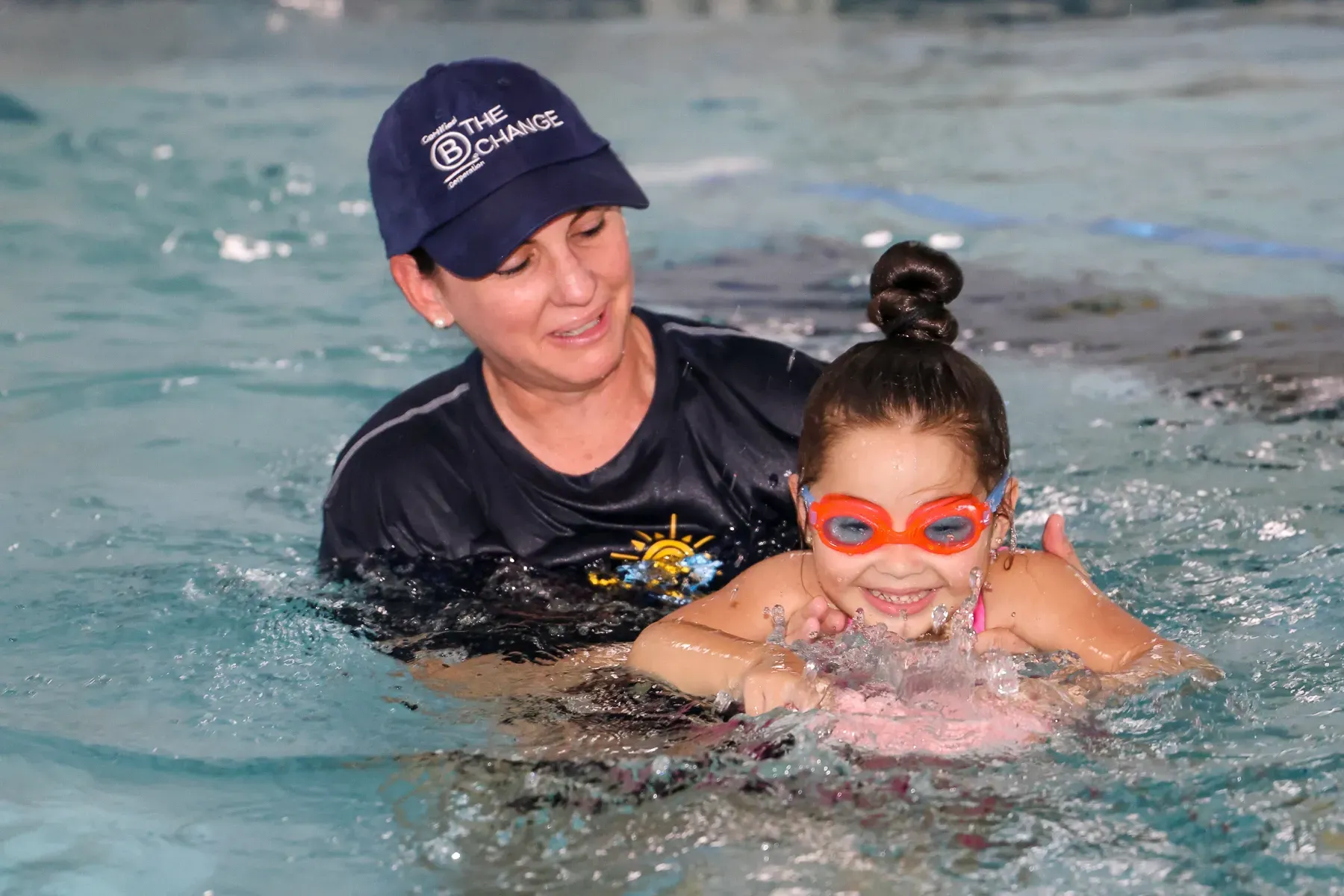
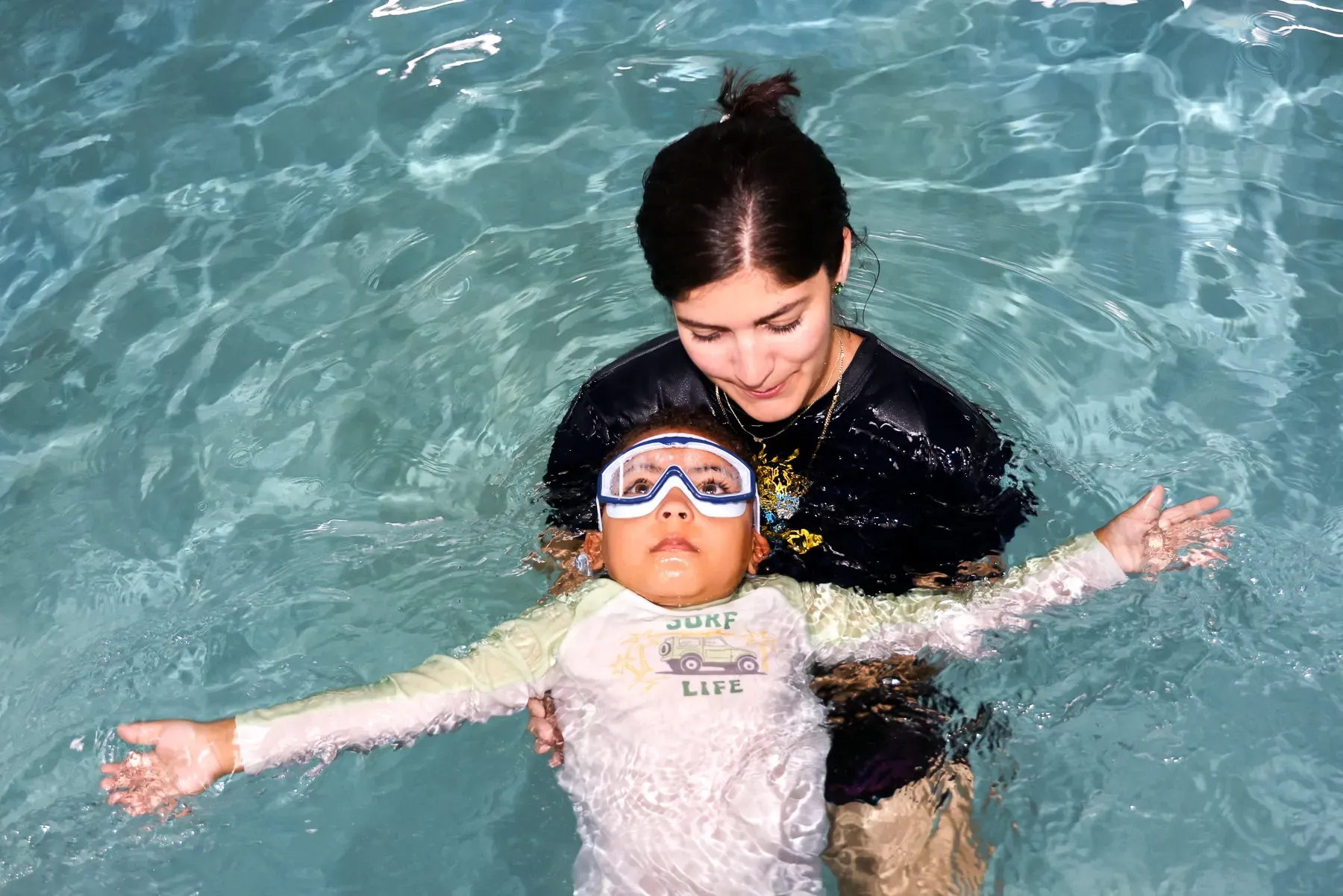
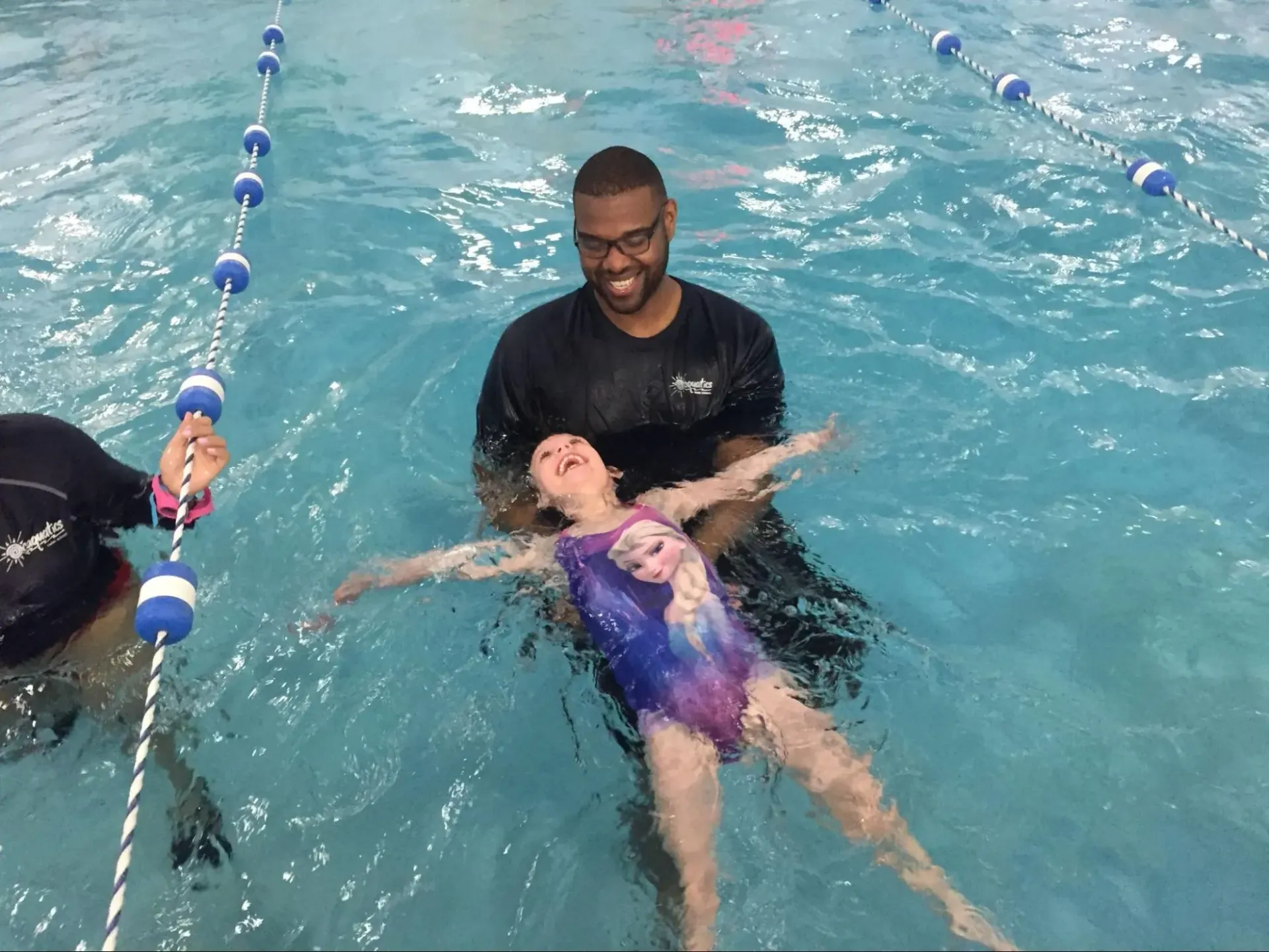
These baby swim lessons at six months old aren't about turning your infant into a swimmer. They're about building a foundation: getting comfortable with water on the face, learning to be held and moved through the water calmly, simple breath cues, and early back-floating practice. Babies form associations at this age, too, so warm, positive water experiences now make later skills click more easily.
Ocaquatics, a swim school with five heated indoor pools across South Florida, starts lessons at six months for exactly this reason. The pools stay at 90 degrees all year, which matters more than it sounds. A cold, shivering baby isn't going to relax and learn anything, but warm water keeps little ones calm enough to actually take something in.
What real water skills look like for little ones
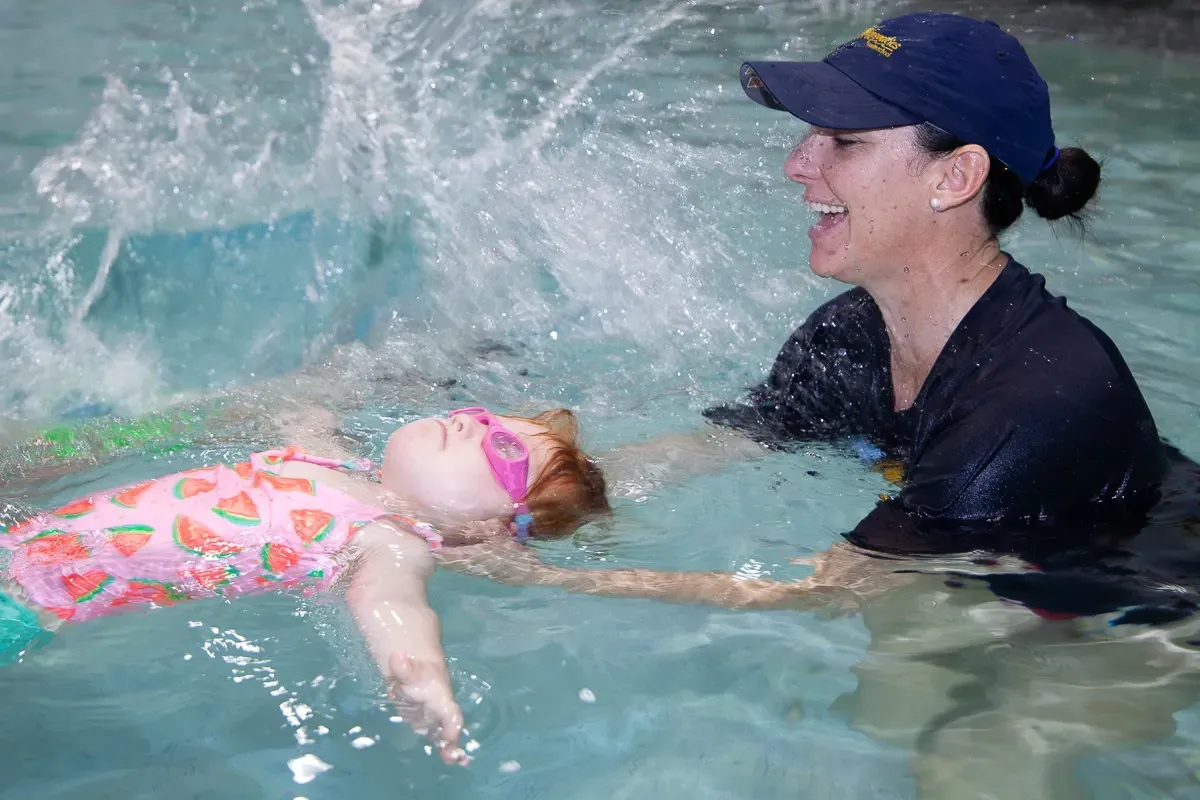
Real water competence builds in small, visible steps. With a baby, you might first notice them stop tensing up when water touches their face. Next comes floating on their back with support, then learning to turn toward the wall, then reaching out and holding on.
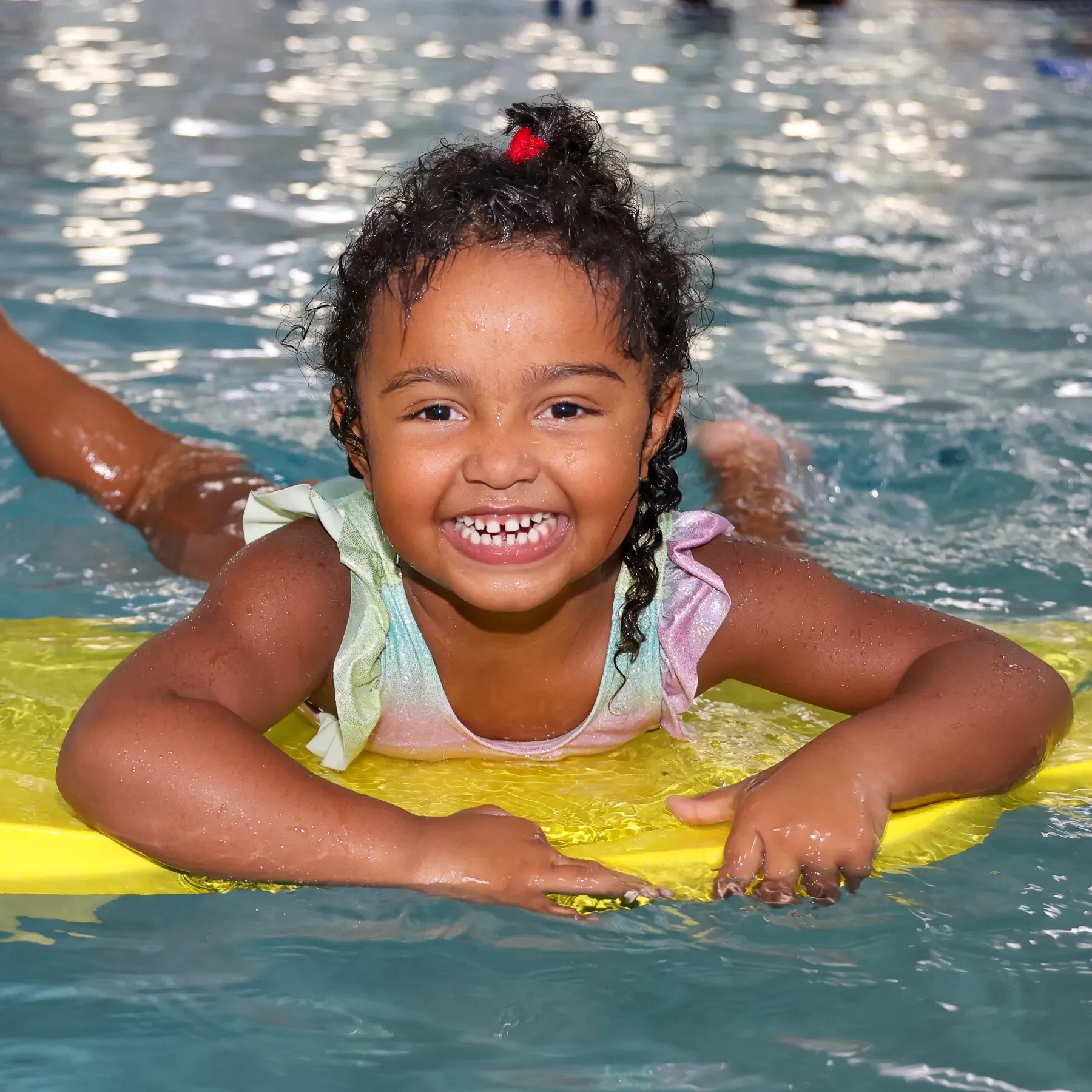
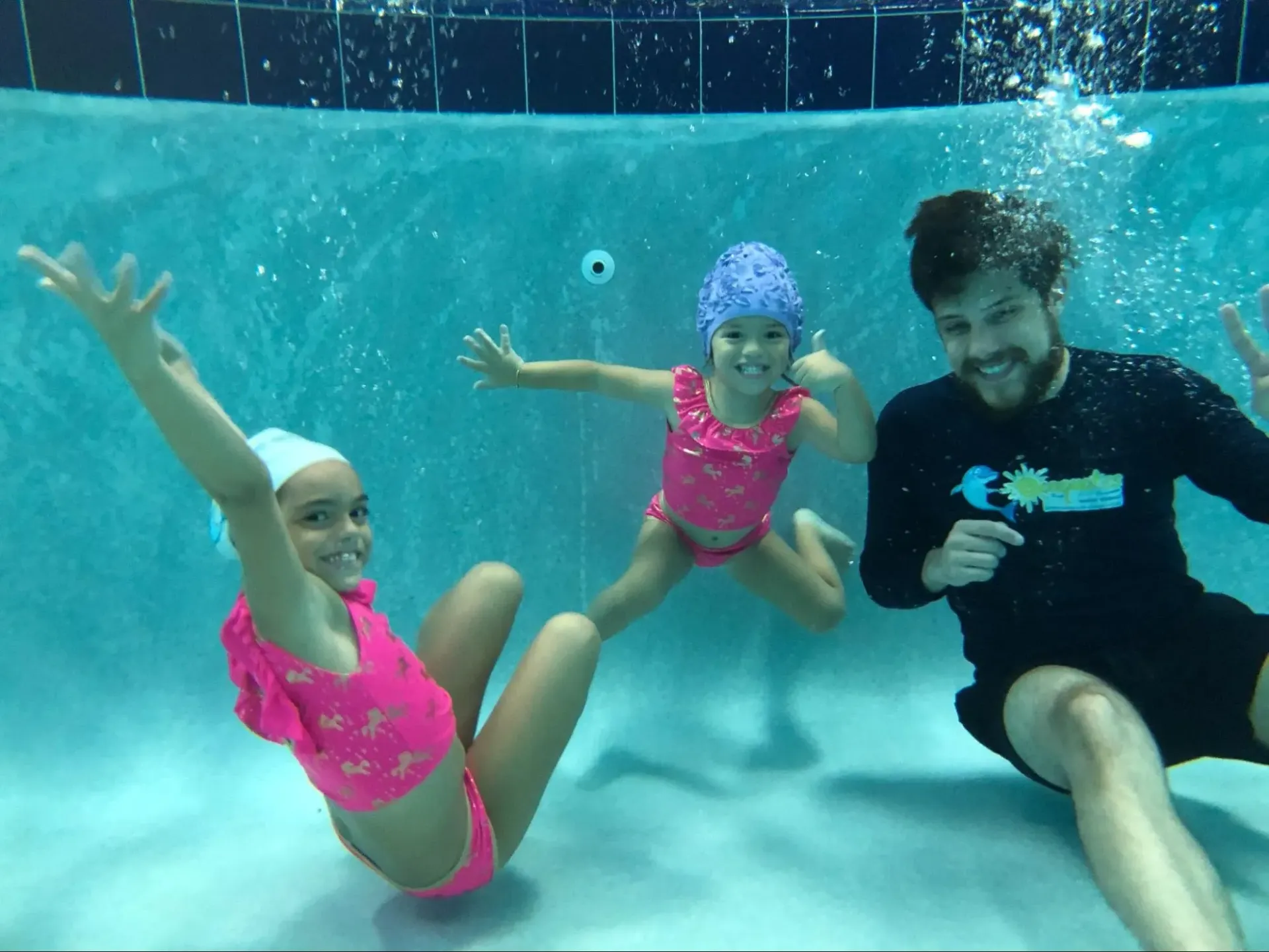
For toddlers and preschoolers, the progression keeps going: blowing bubbles, kicking with purpose, going under briefly and coming back up on their own, and eventually short, unassisted movements toward a parent or the edge.
None of this happens in a weekend. It happens through repetition, in short and frequent sessions, with an instructor who knows how to read a nervous little one. Parents in Miami, Coral Gables, and Kendall who start infant swim lessons early tend to see calmer, steadier progress, partly because their kids never built up a fear of the water in the first place.
Turning the myth into a real plan
Here's the simple version. Babies aren't born knowing how to swim. The reflexes that look like swimming are involuntary, they disappear early, and they were never a safety net. Once you let go of the myth, you can focus on what actually works: supervision, barriers, and early lessons that grow right alongside your child.
That shift, from assuming your baby is fine in the water to actively building their skills, is the whole point. It's calmer for you and safer for them.
Frequently Asked Questions
Do babies naturally know how to swim?
No. Babies are born with reflexes that can mimic swimming, but those are automatic responses, not real skills, and they fade by around six months. Swimming takes breath control and coordination that kids have to learn over time.
Can babies swim naturally if they're around water early?
Early exposure helps babies feel comfortable in water, which is genuinely valuable, but it doesn't mean they can swim on their own. Comfort is the first step. Actual skills come from consistent, structured practice.
Are babies born knowing how to swim like some animals are?
No. Unlike some animals, human babies have to learn to swim. The reflexes people point to are short-lived and won't keep a baby afloat or help them reach the air.
When can babies start swim lessons?
Many programs, including Ocaquatics, start as early as six months. Early lessons focus on comfort, breath cues, and floating rather than formal strokes.
Is it ever too late to start?
No. Kids can begin at any age and still build strong water skills. Starting earlier often means a calmer ride, but older beginners catch up quickly with the right instruction.
Ready to start swim lessons in Miami?
If you're in Miami, Coral Gables, or Kendall, now's a great time to get your little one started. Lessons can begin as early as six months, and you can follow your child's progress right from your phone through the parent app.
Financial assistance is available, too. Eligible families can apply through the
Step Up For Students program, so more kids across our community get the chance to learn.
Reach out today to find the location nearest you and book that first class.