


Private At-Home Swim Lessons (and Why Small Groups Often Work Better)
If you have a pool in your backyard or a condo pool a short elevator ride away, hiring an instructor to come to you sounds like the obvious move. So are at-home swim lessons better than lessons at a swim school? Honestly, they win on convenience, but for most kids, small-group classes at a dedicated swim facility produce better and more consistent results. Backyard pools are often too cold for young learners, home settings are full of distractions, lessons pause when the weather turns, and independent instructors don't always follow a structured level progression. Low-ratio small-group classes in warm indoor water give kids close coaching, peer motivation, and a curriculum they can actually advance through.
The longer version matters, because at-home lessons are a real option plenty of Miami families consider, and they do make sense for some kids. In this post, we'll walk through how at home swim lessons actually work, where they shine, where they quietly stall a child's progress, and how to tell which setup fits your family. By the end, you'll know exactly what questions to ask before you book anything.
How do at-home swim lessons work?
An instructor comes to your pool and teaches your child one-on-one right there in your backyard or building. Private swim lessons at home are typically booked through an agency that sends instructors around the city, or directly with an independent teacher.
The appeal is easy to see. No packing a swim bag, no buckling a cranky toddler into a hot car seat, no waiting on a bench. Your child learns in water they already know, and you can watch from your own patio with a cafecito in hand. For busy families juggling school pickup, work, and traffic on the Palmetto, that convenience is a genuine draw.
But the setting that makes at-home lessons convenient is the same setting that creates their biggest limitations. It helps to look at those honestly before deciding.
Are at-home swim lessons worth it for your child?
Sometimes, yes. If your child has needs that a group setting genuinely can't meet, or your schedule truly can't fit a weekly class anywhere, a skilled in-home swim instructor for kids can be a reasonable choice. We covered when one-on-one instruction earns its keep in our post on whether private swim lessons are worth it, and the same logic applies at home.
For most kids, though, the honest answer is that you're paying a premium for convenience, not for faster learning. Here's why the backyard setup works against young swimmers more often than parents expect.
- The water is usually too cold: Most residential pools in South Florida sit well below the temperature young children learn best in. A cold child tenses up, shivers, and spends the lesson surviving instead of learning. Even in a Miami summer, an unheated pool in the morning can leave a three-year-old with chattering teeth ten minutes in.
- Home is full of distractions: The dog barking at the fence. A sibling riding a scooter past the pool deck. The ice cream truck song drifting down the street. At home, your child is surrounded by every toy and routine they know, and instructors spend real lesson time just pulling their attention back to the water.
- Weather cancels more than you'd think: South Florida afternoons have a habit of turning into thunderstorms exactly when the lesson starts. Outdoor lessons stop for lightning, rain, and cold snaps, and every canceled session breaks the consistency young swimmers depend on.
- There's often no curriculum behind it: This is the piece parents can't see from the patio. Great swim instruction follows a progression: comfort, breath control, back floating, returning to the wall, then strokes. Many independent instructors are wonderful with kids but teach from memory and instinct, not from a tested level system. Without defined skills to master and clear next steps, lessons can drift into supervised splash time.
Why do small group swim lessons often work better?
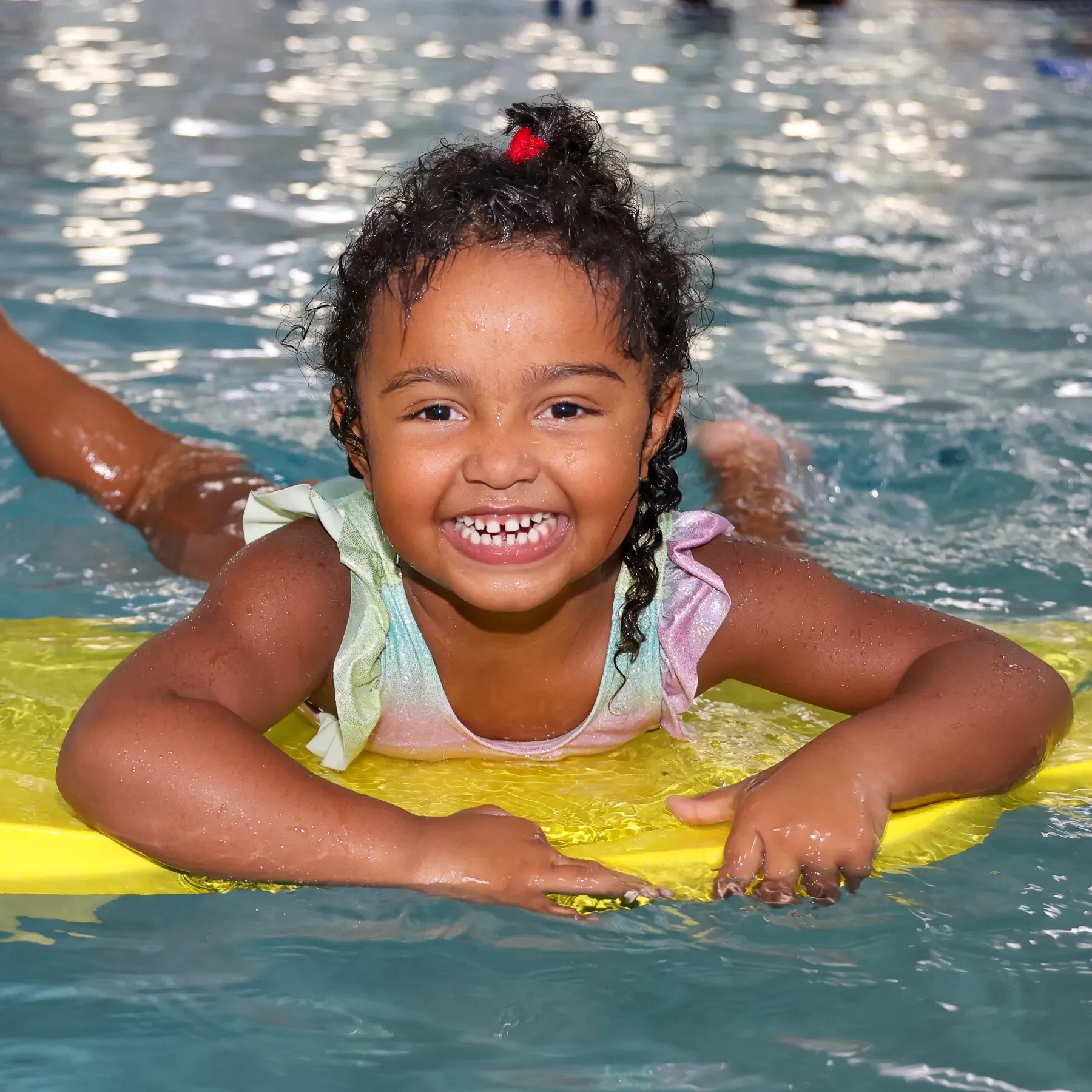
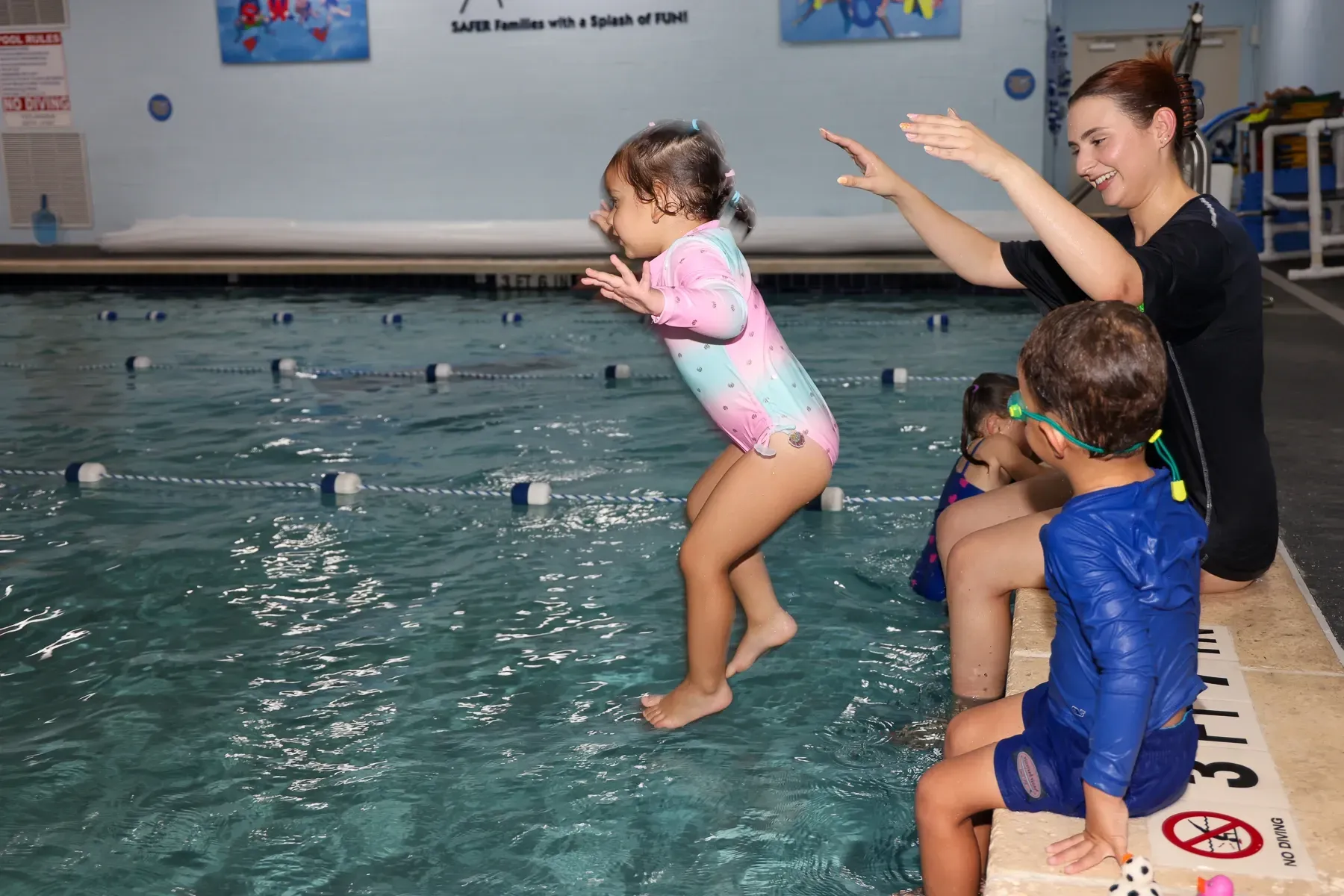
Because young kids learn from each other in a way no adult can replicate. Put a hesitant four-year-old next to another four-year-old who just blew bubbles and came up grinning, and something clicks. Kids borrow courage from their peers. They copy, they cheer, they take turns, and they try things in a group they'd refuse one-on-one.
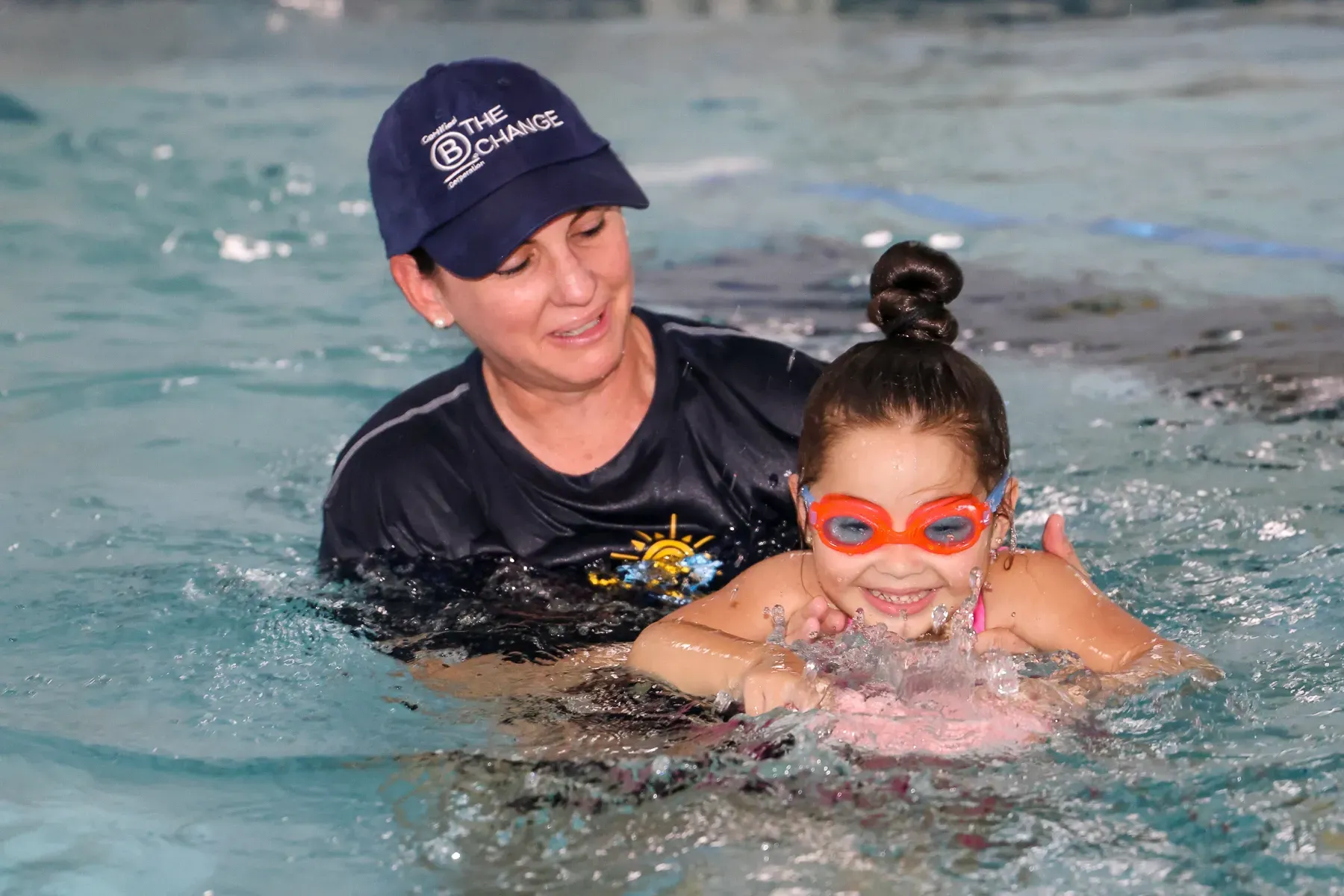
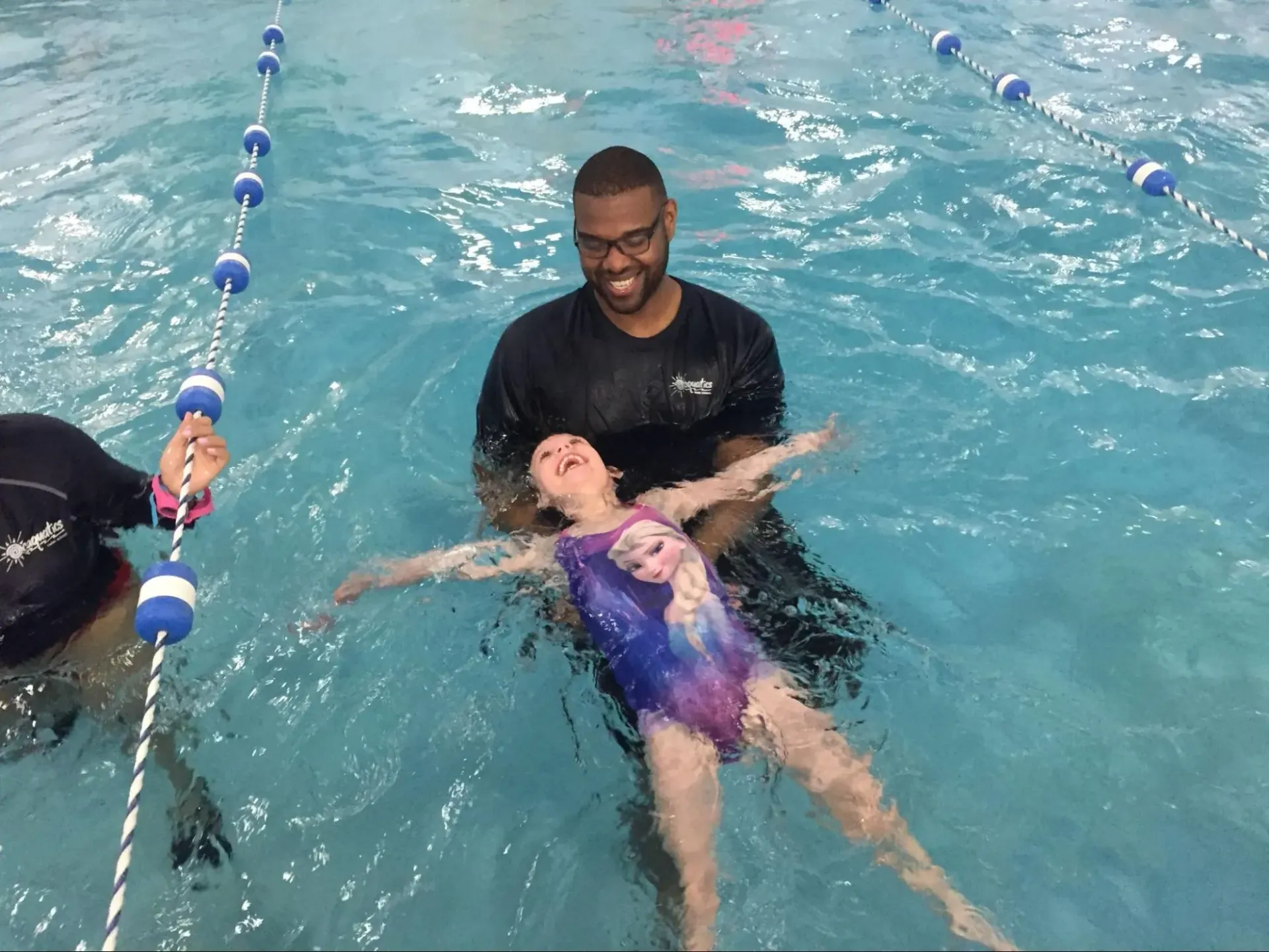
Small group swim lessons for kids keep that social spark while still giving each child real coaching. With just a few swimmers per instructor, nobody floats around waiting. Your child gets corrected, encouraged, and kept moving, then watches a friend try the same skill, which is rest and learning at once.
A dedicated facility also removes the obstacles the backyard can't. Indoor pools mean no lightning cancellations and no cold mornings. Consistently warm water keeps little bodies relaxed and ready to learn. And a structured level system means your child is always working toward a specific skill, with instructors trained to teach the same progression the same way, week after week.
That's the model Ocaquatics is built on. It's a swim school with five locations across South Florida, in Miami, Coral Gables, and Kendall among them, where kids learn in indoor pools heated to 90°F year-round. Classes keep ratios low, lessons start as early as six months, the curriculum moves through defined levels with a focus on back floating and returning to the wall, and a mobile app lets you follow your child's progress between visits.
What should you ask before booking any swim lesson?
Whether you're leaning toward at-home lessons or a swim school, a few questions cut through the marketing fast:
- What temperature is the water, and is it consistent every lesson?
- What curriculum do you follow, and what skill is my child working toward right now?
- What happens when weather cancels a lesson?
- What's the student-to-teacher ratio?
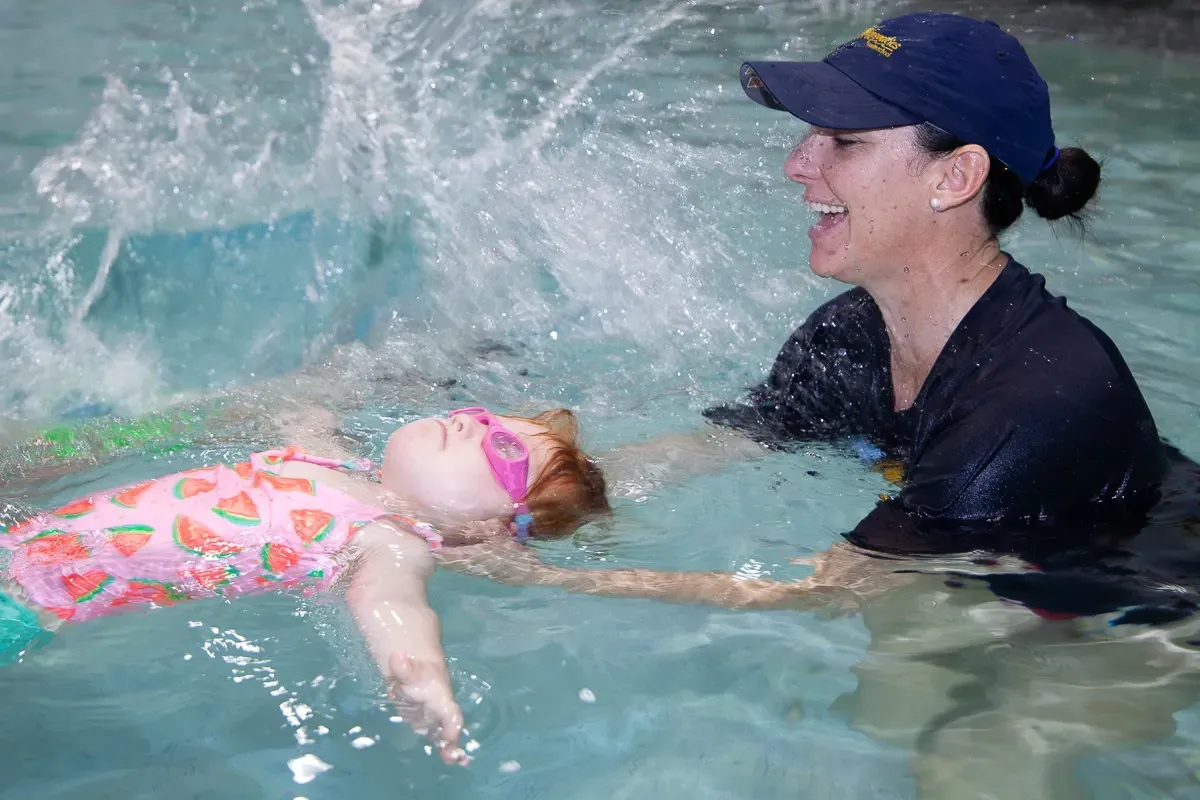
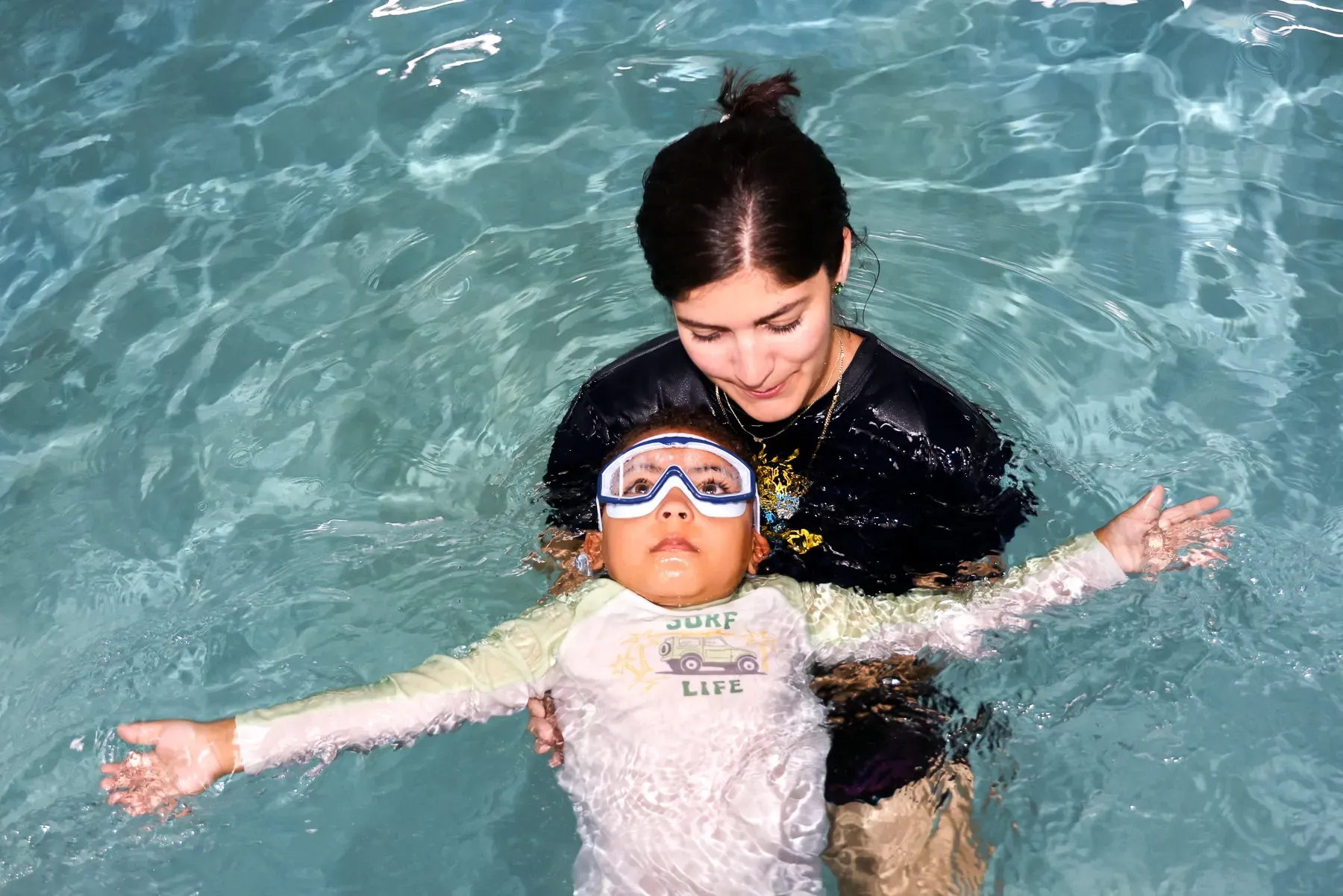
- How do you teach water safety skills like back floating and getting back to the wall?
An instructor or school with good answers to all five is worth your time. Vague answers on curriculum and water temperature are the two biggest red flags, because those are the factors that quietly decide whether your child progresses or plateaus.
Frequently asked questions
Are at-home swim lessons worth it for toddlers?
Usually not as a first choice. Toddlers are the swimmers most affected by cold water and distractions, and most likely to relax when they see other little kids splashing happily. A warm, low-ratio group class tends to fit them better.
Can my child learn to swim in our backyard pool?
They can practice there, and they should, with your supervision. But formal lessons in a backyard pool face cold water, weather cancellations, and distractions that slow progress. Many families do lessons at a facility and use the home pool for practice between classes.
What water temperature is best for kids' swim lessons?
Around 90°F for babies, toddlers, and preschoolers. Warm water keeps small bodies relaxed and comfortable, so lesson time goes into learning instead of shivering. Most residential pools run much cooler than that.
Do at-home instructors follow a curriculum?
Some do, many don't. Always ask what level system they use and what specific skill your child is working toward. If the answer is vague, expect slower, less measurable progress.
When can kids start swim lessons?
As early as six months. Early classes build water comfort, breath cues, and foundational skills like back floating, which set up everything that comes later.
Finding the setup where your child actually thrives
The pool in your backyard is a gift. It's where your family will make memories for years, and it's a great place to practice what your child learns. It's just not always the best classroom. For most Miami kids, the fastest path to real skills runs through warm water, a clear curriculum, a small group of pint-sized classmates, and an instructor who knows exactly what comes next.
One more thing as Back-to-School season kicks in: between homework, carpool, and early bedtimes, it's tempting to let swim lessons slide. Try to hold that weekly spot. The momentum your child built over the summer keeps growing when practice doesn't stop, and one small-group class a week fits into a school routine more easily than most families expect.
If you're in Miami, Coral Gables, or Kendall and want to see what a low-ratio class in 90°F water looks like, the Ocaquatics team would love to show you around.
Contact us to visit a location near you and watch a small group in action before you decide.