




Practice Swimming at Home
Your child is making great progress in their swimming lessons — and keeping that progress going between classes can make a big difference! While nothing replaces professional swim lessons, a little extra practice at home can help reinforce what they’ve learned in the pool.
The good news? You don't need a pool or even water to help your child practice swimming at home. This post will walk you through practical, fun exercises you can do right in your living room, backyard, or bathtub. You'll learn which drills actually make a difference, how to make practice feel like play, and why these at-home sessions can transform your child from a hesitant beginner into a confident swimmer. By the end, you'll have a toolkit of strategies that fit into your daily routine without turning practice time into a battle.
Why Kids' Swimming Exercises at Home Actually Work
When you practice swimming at home between lessons, you're doing more than just killing time. You're helping your child's muscle memory develop without the distractions of a busy pool. On dry land, kids can focus entirely on getting their body position right, understanding how their arms should rotate, how their legs should stay straight, and how their core needs to engage.
Think about it this way: when your child practices those arm circles in your living room, they're not worried about sinking or getting water up their nose. They can nail the motion perfectly, and their brain remembers that feeling. Then, when they're back in the pool, their body already knows what to do. It's like learning dance steps before hitting the dance floor.
The physical benefits stack up, too. These dryland swimming exercises for kids build flexibility, strengthen swimming-specific muscles, and help prevent those pulled muscles that sometimes happen when kids push too hard in the water. Your child walks into their next lesson with better body awareness and more stamina.
Home Swim Practice Tips for Your Kids
Whether you have your own pool or not, practicing swimming skills at home should start on dry land. Have your kids try improving their swim skills at home with these home swim practice tips:
Standing Rainbows Arms
A strong stroke helps any swimmer to become more effective in the water. You can try this together with your young swimmers and skip the gym. Simply pretend you are making a rainbow with your arms, starting with the right arm. Move it straight back, then straight up so it is pressed against the ear, then extend it straight out in front before pulling it back to your starting position. Repeat this windmill stroke on the left side, making sure that you lead by example, keeping the arms straight and close to the head.
Another important consideration for improving forward motion in the water is that the fingers must be together and cupped, ensuring a strong stroke.
Straight Leg Kicks
Making the right kicking motions in the water is the best path to swimming success. You can get down on the ground with your child, lying on your belly. Start by slowly raising your right leg, followed by your left leg, to make the same motions as you would in the water.
When swimming, you should not bend your knees. You can make a game of this with your child by awarding points for not bending their knees and increasing the points earned by seeing how high they can kick their feet. Younger children often struggle with keeping their legs straight while kicking, but when you practice this way, you can help them improve their swimming skills at home.
At-Home Swimming Practice for Kids: Using Your Bathtub
Your bathtub is a secret weapon for swim practice for kids at home, especially if your child is still nervous about water.
Bubble Blowing Practice
Fill the tub with a few inches of water. Sit beside your child and show them how to put their face in and blow bubbles. Start with just getting their mouth and nose wet, then gradually work toward full face submersion.
This skill matters more than almost anything else in swimming. Kids who can't blow bubbles end up holding their breath, which makes them tired and scared. Blowing out controls their breathing and keeps water from going up their nose.
If your child hesitates, blow bubbles in a cup of water first. Make different sounds: hum, buzz, make motorboat noises. Turn it into a game where you see who can make the biggest bubbles or the longest stream of bubbles.
Practice this three times a week for five minutes each time. Within a month, most kids go from refusing to put their face in the water to dunking their whole head under without thinking twice.
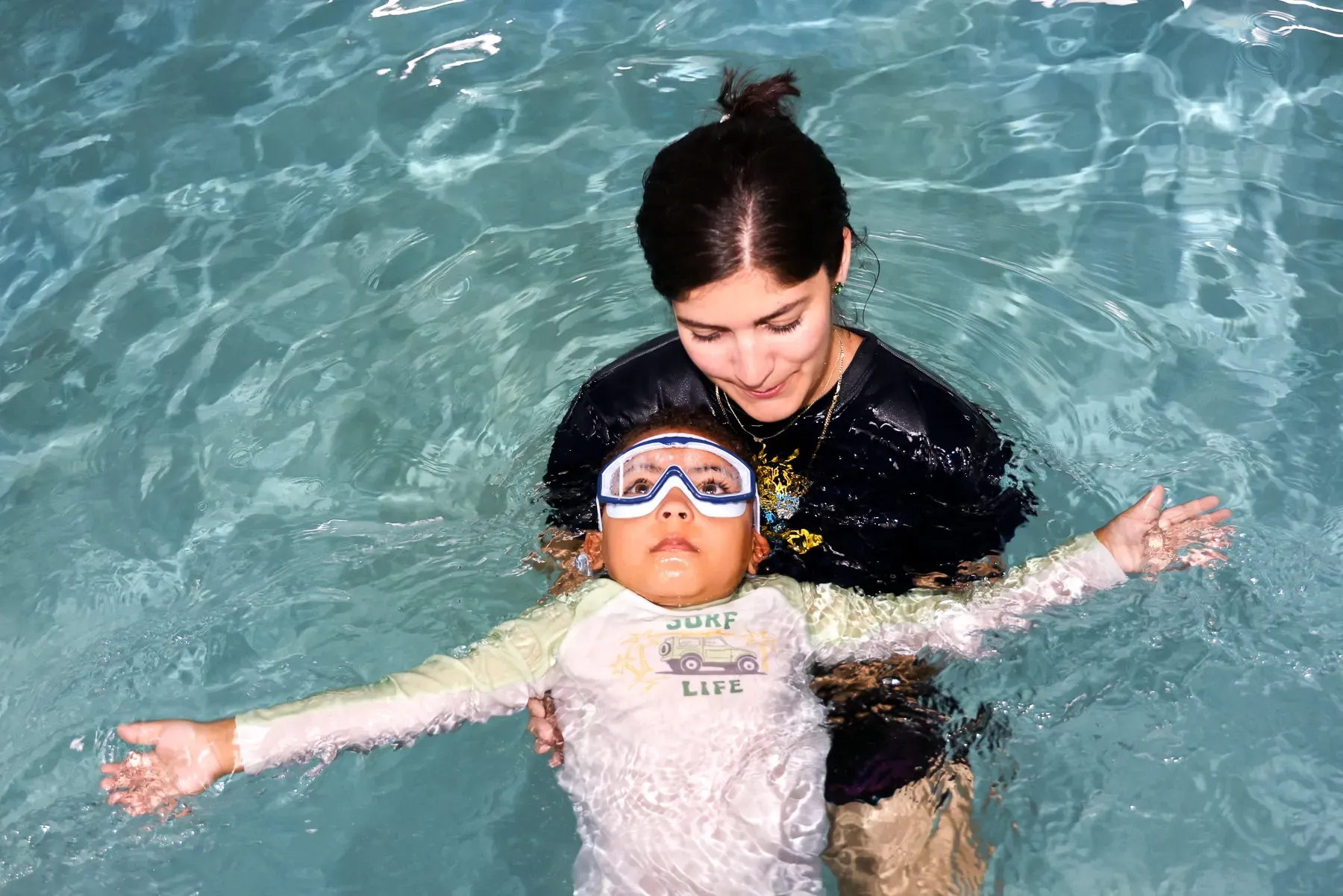
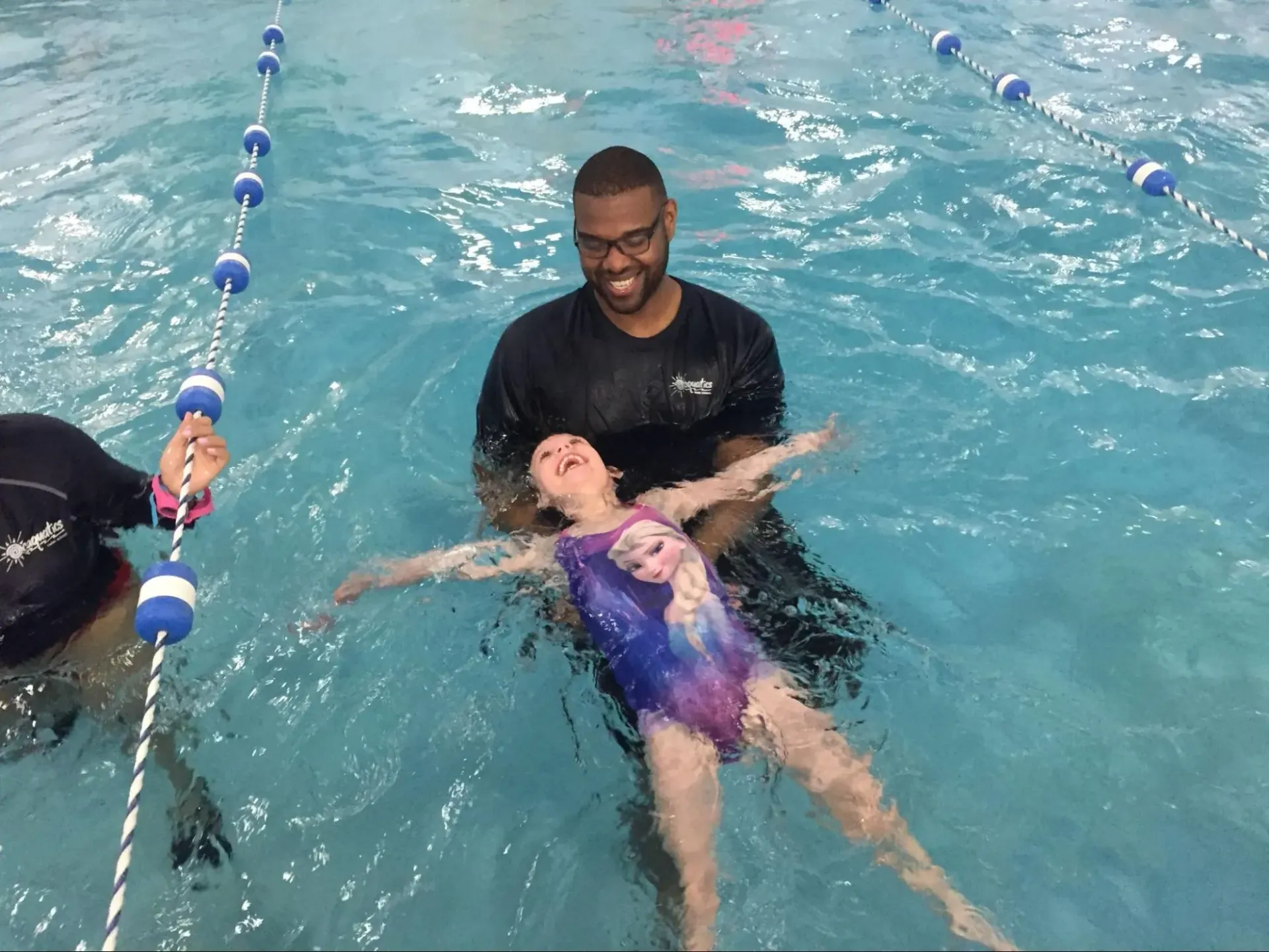
Floating Practice in the Tub
Once your child is comfortable with their face in the water, try floating. Have them hold the sides of the tub, put their face in, and let their body rise to the surface. You're right there, hands ready to support them if needed.
This teaches them that their body naturally wants to float. That knowledge is powerful. When kids believe they'll sink, they panic. When they know they float, they relax, and relaxed swimmers are safer swimmers.
Let the Professionals Inspire Your Child
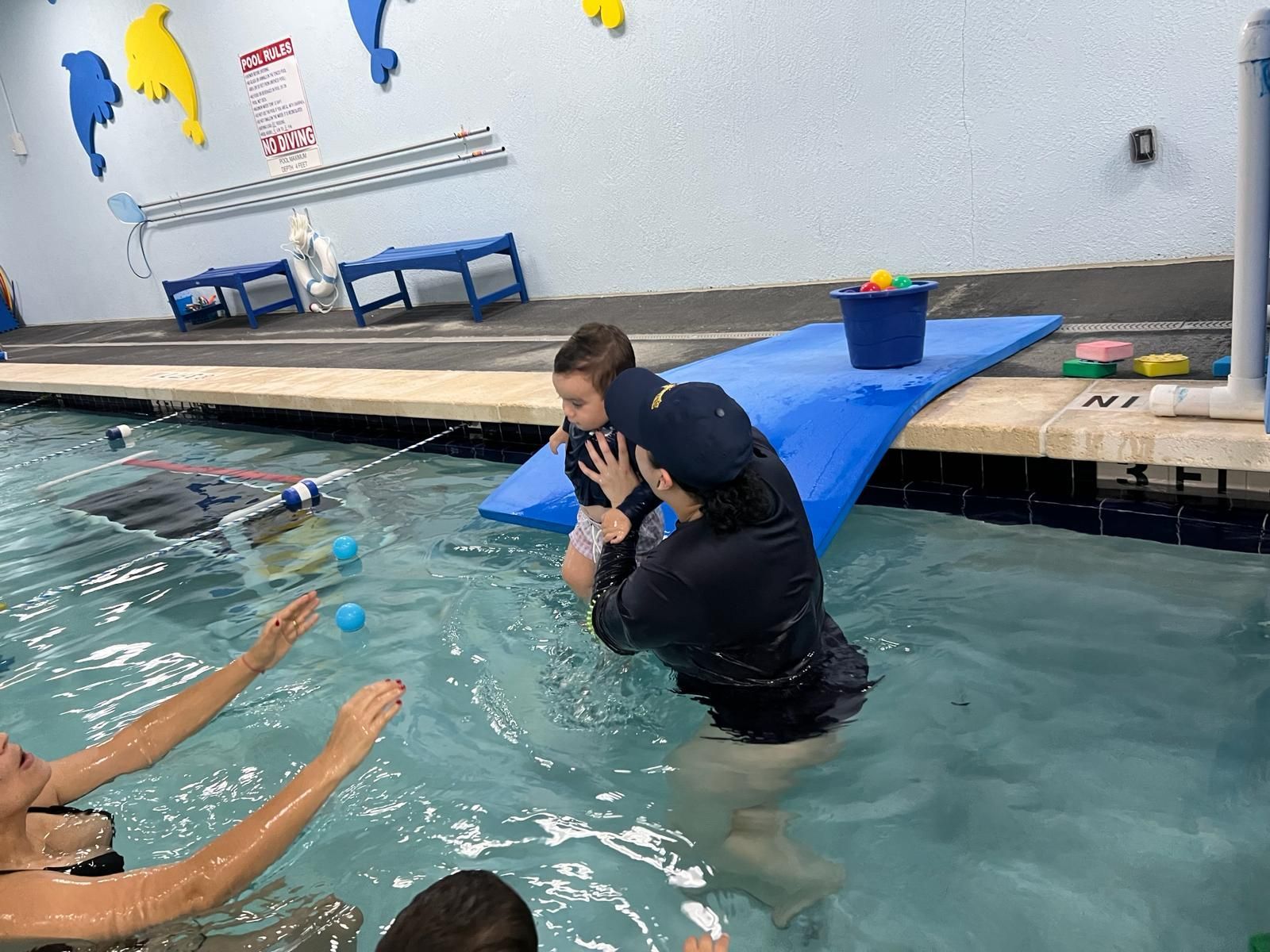
While practicing swim skills at home is a great way to get your child’s body ready for the types of common movements made while in the water, observation is also key. Remember, children love to imitate what they see and it can be extremely beneficial for them to watch professional swimmers move through the water.
Another benefit of watching Olympians and other swimmers in the water is that your children will naturally pick up the terminology for each stroke. This will help swimming become more familiar to them rather than something scary and new.
How to Improve Kids' Swim Skills at Home When You Do Have Pool Access
If you've got access to a backyard pool or community pool here in South Florida, you can take these drills into the water. Let your child's instructors handle the formal teaching, but use pool time to reinforce what they're learning.
Practice those streamlines off the wall. Work on straight-leg kicks while holding the side. Have them show you their windmill stroke in slow motion so you can check their form.
The key is keeping it fun and pressure-free. Don't critique every little thing. Celebrate what's working. Swimming should feel like play, not a constant test.
At Ocaquatics, with our five locations across Florida, we've watched thousands of kids develop from nervous beginners to confident swimmers over our 30 years of teaching. We've seen firsthand how the families who practice between lessons (even just 10-15 minutes a few times a week) progress faster and with more confidence.
Frequently Asked Questions
Can you really practice swimming without water?
Yes, absolutely. Dry land training is a cornerstone of competitive swimming programs worldwide. You can practice arm strokes, kicks, body position, and breathing techniques on dry land. These exercises build muscle memory, strength, and flexibility that directly transfer to better swimming performance. While you obviously need water to actually swim, the mechanics and strength training happen very effectively on land.
How often should my child practice swim drills at home?
Three to four times per week for 10-15 minutes is ideal for most kids. This frequency keeps skills fresh without burning them out. The key is consistency, not marathon sessions. Short, focused practices where your child is engaged and doing the exercises correctly beat long, distracted sessions every time.
At what age can kids start practicing swimming exercises at home?
Kids as young as three or four can start with simple exercises like bubble blowing in the bathtub and basic arm movements. The exercises should match their developmental stage. Young children do better with game-like activities, while older kids (7+) can handle more structured drills and strength exercises.
My child hates putting their face in the water. Will bathtub practice really help?
Yes, it's one of the most effective tools for water-shy kids. The bathtub is small, warm, and controlled, much less intimidating than a big pool. Start with just getting their chin wet, then gradually work toward face submersion over several weeks. Never force it. The key is making it playful and letting them move at their own pace. Most kids who consistently practice bubble blowing in the tub overcome their fear within a month or two.
What's the most important home exercise for improving swimming?
If you only do one thing, make it straight-leg kick practice on the floor. Poor kicking technique holds back more young swimmers than any other single issue. Kids who master straight-leg kicks move faster, tire less quickly, and have better body position in the water. Five minutes of kick practice three times a week creates noticeable improvement within two weeks.
Do these exercises work for kids who are already good swimmers?
Absolutely. Even competitive swimmers do dry land training as part of their routine. The exercises can be modified for advanced swimmers by increasing repetitions, adding resistance bands, or making the movements more dynamic. Strong swimmers benefit from the strength-building and muscle memory reinforcement just as much as beginners do.
Ready to Give Your Child the Gift of Water Confidence?
If you're in the Miami, Coral Gables, or Kendall area and want professional instruction to complement your home practice, Ocaquatics offers programs for swimmers of all ages and skill levels. Our experienced instructors create a supportive environment where kids actually want to learn.
These at-home drills will prepare your child's body and mind for success in the water. Combined with quality instruction, they'll build skills that last a lifetime and maybe even develop a genuine love for swimming along the way.
Contact us today to learn more about our programs and find the location nearest you.