



Are Baby Swimming Lessons Worth It? What Parents Need to Know
You're standing at the edge of the baby pool at the park in Hialeah, watching your little one play in the water, and a question pops into your head: Should I be paying for swim lessons?
If you're a parent in Miami or anywhere else with water (and let's face it, South Florida means water is everywhere), you've probably felt that mix of concern and curiosity. You want your baby to be comfortable and safer around water, but you're also wondering if baby swimming lessons are really worth your money. Are they going to actually teach a 6-month-old to swim? Will they prevent drowning? Or are you just paying for what any parent could do at home?
Here's the reality: the answer isn't as simple as yes or no. What matters is understanding what these lessons actually do, what the research shows, and what you should realistically expect. The cost of not knowing how to swim goes far beyond just missing swim time (it touches on safety, development, confidence, and peace of mind).
In this post, we're breaking down whether baby swimming lessons are worth the investment by looking at real research, practical benefits, and honest assessments of what your money actually gets you. By the end, you'll have a clear picture to make the decision that works for your family.
What's the Real Cost of Not Knowing How to Swim?
This question might seem dramatic, but it's worth sitting with for a moment.
Kids who grow up uncomfortable in water miss out on swim dates with friends, beach trips without anxiety, and the simple joy of playing in water. They might develop water anxiety that follows them into adulthood. And if you're vacationing somewhere with a pool (which many families do), an uncomfortable child means less relaxation for everyone.
Then there's the practical side. Swimming is one of the healthiest activities kids can do. It's low-impact, builds full-body strength, improves coordination, and boosts cardiovascular fitness. Kids who miss early water exposure often take longer to feel confident learning these skills later, which means more lessons, more money, and more frustration down the road.
So the real question isn't just "Are these lessons worth it?" It's "What's the cost if we don't invest in water safety and comfort early?"
The Real Benefits of Baby Swimming Lesson
Let's dig into what research actually tells us, because there's a lot of hype out there, and you deserve honest information.
Water Safety and Survival Instincts
Here's what studies show: babies who've had water exposure and basic swim instruction are significantly more likely to stay calmer around water and respond better in water emergencies. A study published in The Journal of Pediatrics found that children ages 1-4 who participated in formal swim instruction had a dramatically lower risk of water accidents compared to those without instruction.
Notice what that says: formal instruction. There's a difference between letting your baby splash around and actually teaching water safety skills. Even basic instruction (learning to float, understanding water boundaries, building comfort) creates measurable safety advantages.
Motor Development and Coordination
When your baby's in the water during a swim class, they're not just having fun (though they are). They're developing coordination, balance, and body awareness in a unique environment. Water provides resistance that helps build muscle strength, and the weightless feeling actually helps babies understand how their bodies move in space.
Research in the Journal of Sports Medicine shows that early water exposure supports the development of gross motor skills. Babies are naturally buoyant learners (water lessons enhance what they're already wired to do).
Confidence and Comfort with Water
This one's huge. Babies who grow up around water learn early that it's not something to fear (it's something to respect and enjoy). This shifts their entire relationship with water for life. You're not just buying a few lessons; you're shaping how your child relates to water for decades.
Temperature Regulation and Breath Control
Even young babies can learn basic breath awareness in warm water. This isn't about holding their breath for long periods (that's not developmentally appropriate). It's about understanding the connection between water and breathing, which becomes increasingly important as they grow.
When Should Babies Actually Start Swimming Lessons?
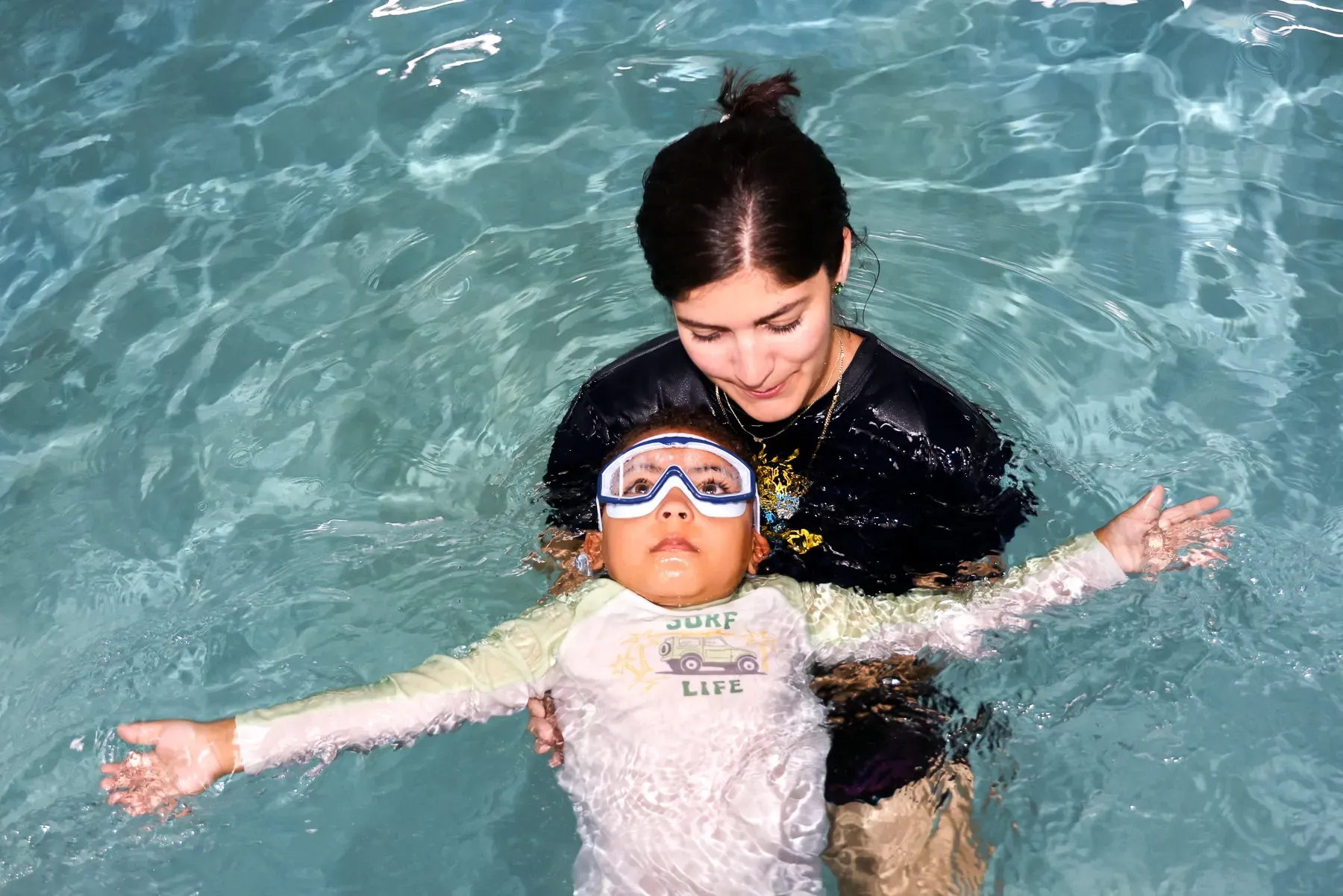
Most pediatricians agree that babies around 6 months old can begin water exposure in warm water with a parent present. Some programs start earlier, but 6 months is when most babies have the developmental readiness to start learning basic water comfort and safety skills.
That said, babies and tots under 4 years old can't truly learn to swim in the way older kids do. Their brains aren't developmentally ready for the coordination and memory required. What they're doing is building comfort, confidence, and foundational skills (which are absolutely valuable, but it's important to know the difference). Even though, we have seen babies that learn to catch a breath on their own while swimming by rolling over.
If your baby is 3 months old and you're in Miami, Kendall, or Doral, don't stress if you haven't started yet. If they're 6 months to 3 years old, now's actually a great window. By age 4 or 5, kids can start learning actual swimming strokes and skills that will stick with them.
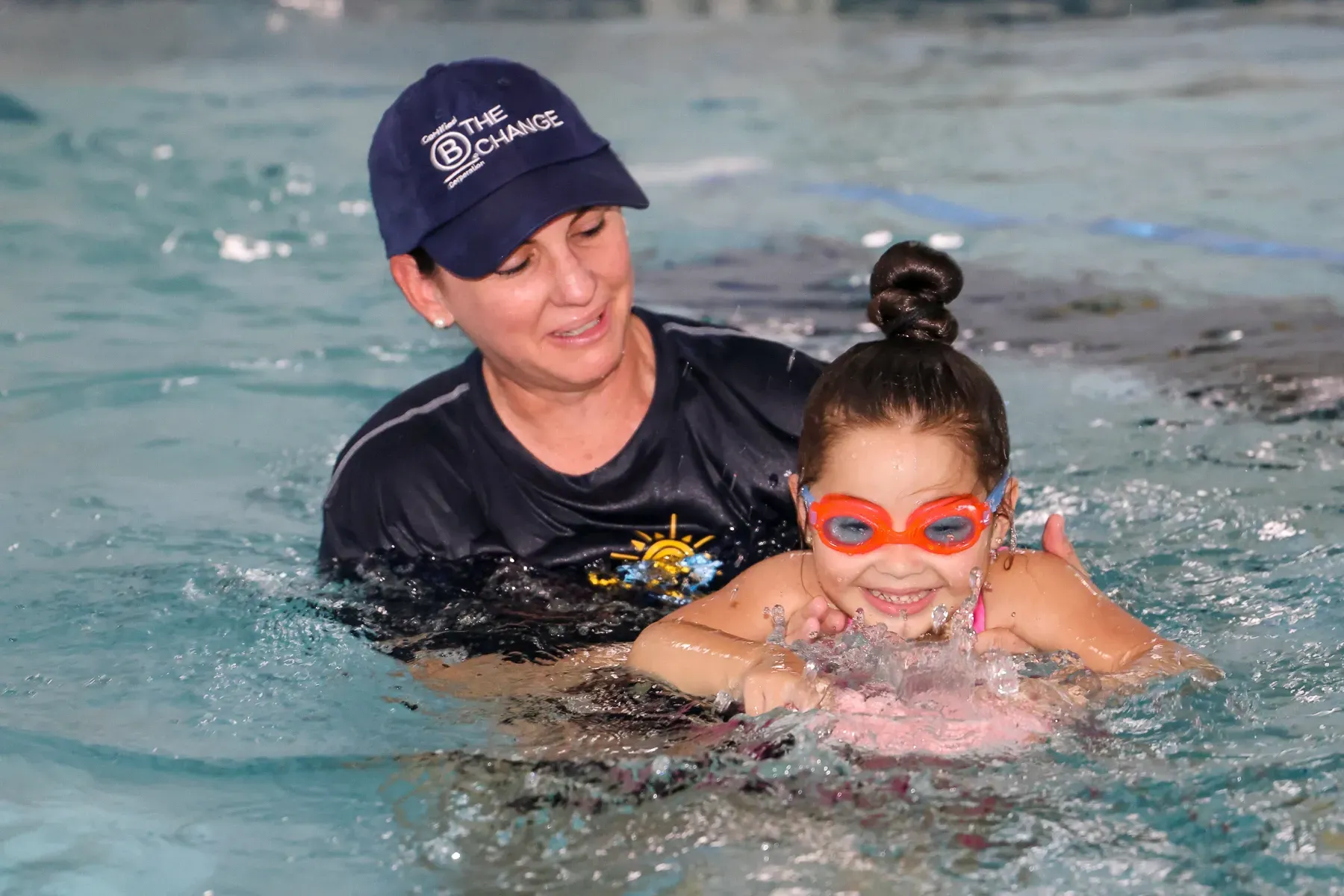
At Ocaquatics, we offer swim lessons for babies from 6 months old, with an adult family member accompanying the child in the pool.
Are Infant Swimming Lessons Safe?
Let's address the elephant in the room: you might have heard concerns about water safety for babies, especially very young infants.
Here's what's important to know. Reputable swim programs (like those with instructors trained in infant water safety) follow strict safety protocols. Water temperature is controlled (around 90 degrees for babies), classes are small, and instructors know CPR and infant water safety inside and out.
The key word here is reputable. Not all programs are created equal. A safer program will:
Keep the water temperature warm for young babies- Maintain very small class sizes
- Never submerge babies without parental consent and preparation
- Have certified, trained instructors
- Follow current pediatric guidelines
- Have proper supervision ratios
- Use age-appropriate techniques
If you're checking out swim lessons in your area, asking these questions upfront shows the program takes safety as seriously as you do. Any good program will happily answer them.
Baby Swimming Lessons: The Honest Pros and Cons
Let's be real about what you're getting into.
The Pros:
You're building a foundation of water safety that has real, measurable benefits. Your baby gets regular, guided exposure to water in a controlled environment. You're learning techniques from a trained professional that you can use at home. Your baby builds confidence early, which often means fewer tears and less struggle when learning to swim later. And honestly? It's good exercise for both of you.
The Cons:
It costs money. Regular lessons add up. Your baby might not love it at first (some kids take longer to warm up to water). You'll need consistent scheduling, which isn't always easy with a little one. And if you're expecting your 18-month-old to swim independently, you'll be disappointed (that's just not developmentally realistic).
The truth is, the benefits are real, but they're also gradual and somewhat invisible. You won't see dramatic results in a few weeks. You're making a longer-term investment in safety, comfort, and development.
How to Know if Baby Swimming Lessons Are Worth It for Your Family
Here's a framework to think about it:
Ask yourself:
- “Do I live where water is part of our life?” (If you're in South Florida, the answer is yes.)
- “Do I want my child to be water-safe and confident?”
- “Do I want professional guidance rather than guessing what's age-appropriate?”
If you answered yes to these, the lessons are likely worth it.
Also consider your budget, your schedule, and if your baby responds to new experiences.
And here's something many parents don't think about: what would it cost if something went wrong? Not to be morbid, but the peace of mind that comes with knowing your child haswater safety skills? That's not a small thing.
What to Expect from Baby Swimming Lessons at Different Ages
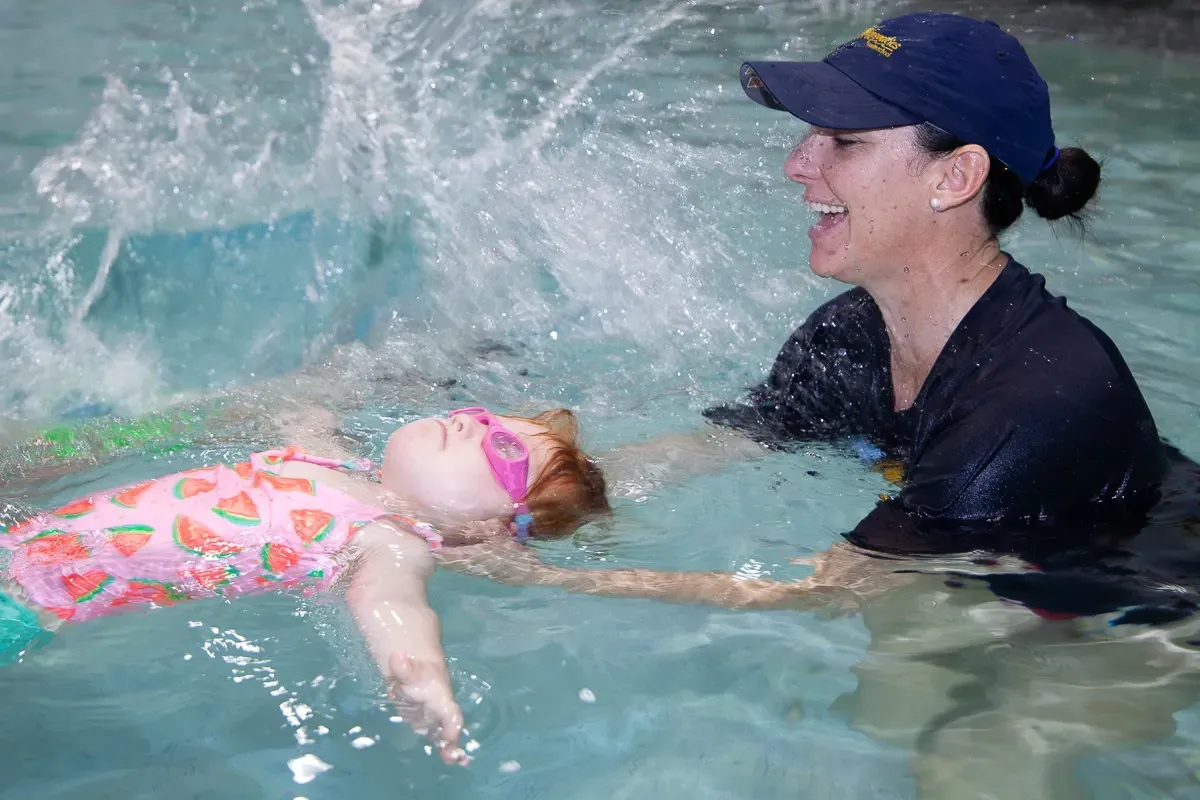
- 6 months to 1 year: Focus on water comfort, parent-child bonding in water, and basic water awareness. Your baby's learning that water is fun and that you're there to keep them safer.
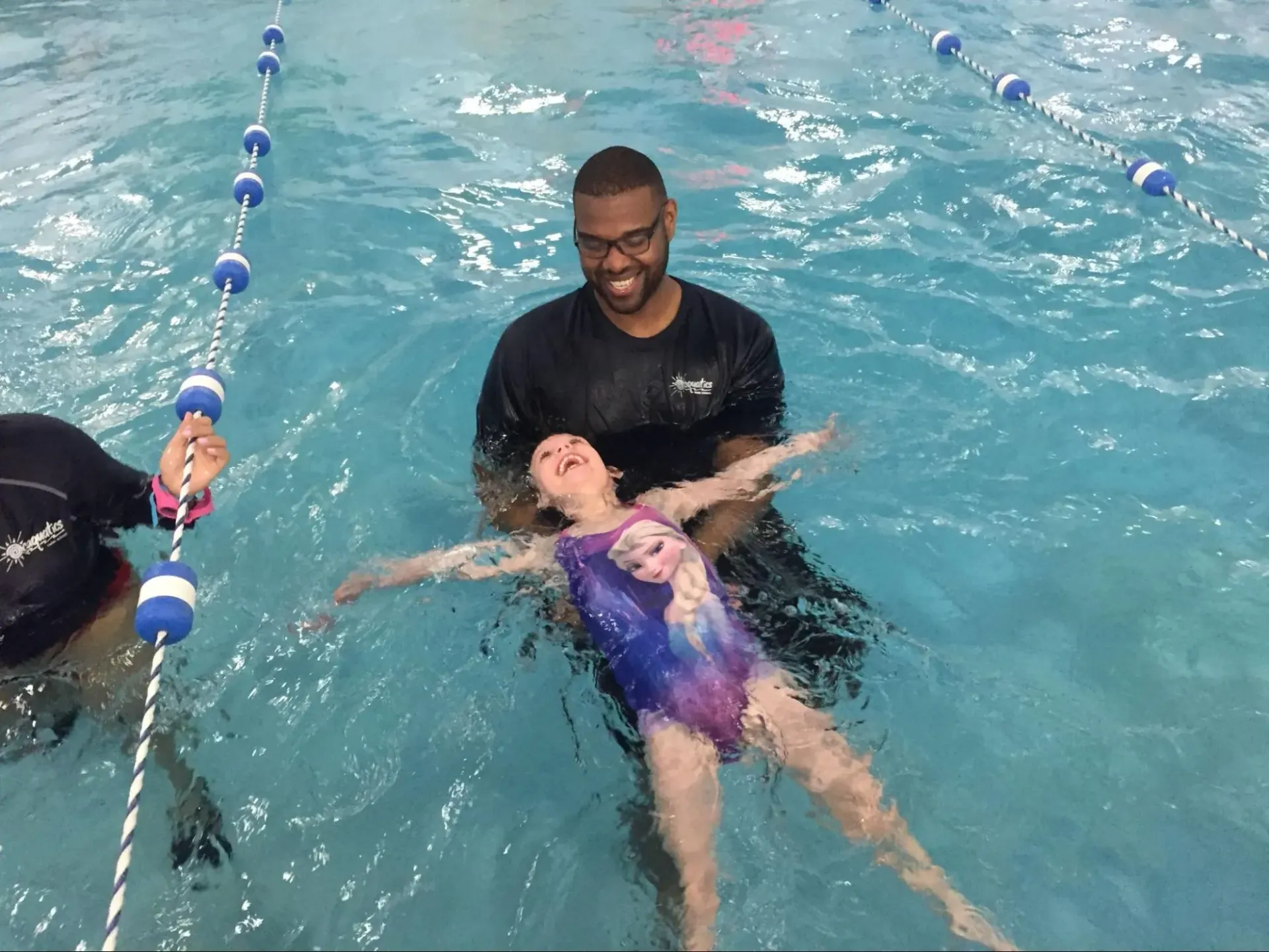
1 to 2 years: Slightly more independence in water, beginning to understand simple instructions, practicing floating with support, and building confidence in the water.
2 to 3 years: Moving toward basic water skills, maybe some unassisted floating, and understanding safety concepts like staying near the edge.
3 to 4 years: Introduction to basic swimming strokes, more independence, and the ability to follow multi-step instructions. This is where "learning to swim" actually starts to look like swimming.
FAQ: Your Questions About Baby Swimming Lessons Answered
Will my baby catch a cold or ear infection from swim lessons?
Properly chlorinated pools are safer than many places. That said, some babies are prone to ear infections. Talk to your pediatrician if your child has ear issues. Many swim programs can work with you on this.
How much do baby swimming lessons typically cost?
This varies widely depending on location and program type, but expect anywhere from $75-$200 per month for regular baby swim classes. Some programs offer package deals or scholarships for families who need financial assistance.
Should I start lessons in winter or wait until summer?
Winter is actually a great time to start. Pools are often less crowded, and your baby gets consistent practice over several months. Summer can work too, but consistency matters more than timing.
What if my baby cries during swim lessons?
It's completely normal. Some babies take longer to warm up to water than others. Good instructors know how to work with this and gradually build confidence. If your baby is consistently terrified after several sessions, it might not be the right fit, but a few tears in the first few weeks is pretty standard.
Can babies learn to swim at home in a bathtub or kiddie pool?
You can build water comfort at home, absolutely. But formal instruction teaches techniques and safety skills that are hard to develop without professional guidance. Think of it like this: you can teach your kid to kick a ball at home, but soccer lessons teach them how to actually play the game.
Do swim lessons prevent drowning?
Research shows that formal swim instruction, combined with supervision and water safety rules, significantly reduces drowning risk. It's not a guarantee, but it's a powerful layer of protection.
Making Your Decision: Is It Worth It for Your Family?
Baby swimming lessons aren't a luxury for families in Miami, Coral Gables, Kendall, Doral, or anywhere in Florida where water is part of everyday life. They're an investment in your child's safety, development, and long-term relationship with water. The benefits are supported by research, they're real, and they compound over time.
But here's what really matters: the right program makes all the difference. Not every swim school approaches infant lessons the same way. The best ones prioritize safety above everything, keep class sizes small, maintain warm water for young babies, and actually listen to parents' concerns instead of pushing a one-size-fits-all approach.
At Ocaquatics, we've built our reputation over three decades doing exactly that. We're the swim school parents in Miami, Coral Gables, Kendall, and Doral trust for their babies starting at 6 months old because we get it. We know you have questions. We know you're balancing safety with not wanting to rush your little one. We know you want real guidance, not a sales pitch.
Our five locations across Miami offer the same warm pools, certified instructors, and low-pressure environment where babies genuinely learn and feel safer in water. We don't charge hidden fees, we offer scholarships for families who need them, and we work at your baby's pace, not ours.
Contact us today to learn more about baby swim classes in your area or to schedule a no-pressure conversation about what might work for your family.