


Swim Lessons at 6 Months: The Foundation That Builds Lifelong Water Safety
You're sitting poolside at a South Florida family barbecue, watching other kids splash around without a care in the world. But your baby is at home, and you can't help wondering: is he ready to learn to swim? Should you wait until he's older? What if starting too early is overwhelming?
These questions keep a lot of Miami-area parents up at night. The cost of not knowing how to swim goes way beyond just missing out on summer fun, and as a parent, you've probably felt that nagging anxiety about water safety. The truth is, starting swim lessons early, as early as 6 months, isn't just about giving your child a head start. It's about building foundational safety habits and water confidence that could literally save his or her life.
In this post, you'll discover why 6 months is actually the ideal age to begin swim lessons, how infant water safety works at this developmental stage, and what you can expect from parent-child swim lessons. By the end, you'll feel confident that early swim instruction is one of the smartest investments you can make in your child's safety and long-term relationship with water.
When Should Babies Start Swim Lessons? The 6-Month Sweet Spot
Here's what many parents don't realize: your baby's body and brain are actually ready to start learning water skills around 6 months old. This isn't about perfecting swimming strokes or diving underwater. It's about building the neural pathways and physical reflexes that make water safer.
At 6 months, your baby's lungs are developed enough to handle basic water activities. Their neck and core muscles are strong enough to support their head in water. Most importantly, their brain is ready to start absorbing lessons about floating, breath awareness, and how to respond to water around them.
The American Academy of Pediatrics recognizes that infant swim lessons at this age can help reduce the risk of drowning. Starting early means your child's brain literally grows with water awareness baked in. Instead of learning to swim as a separate, sometimes scary skill later, your baby learns it as part of normal development.
Building Water Confidence Before Fear Takes Over
One of the biggest advantages of starting baby swim lessons at 6 months is timing. Your infant hasn't developed water anxiety yet. There's no previous bad experience, no splash-induced crying fit, no resistance to getting in the pool.
Think about it: toddlers and older kids often develop a fear of water that didn't exist before. This fear usually stems from one startling experience or the power of suggestion from anxious parents. By immersing your baby in water play early, in a controlled, positive environment with a qualified infant swimming instructor, you're building positive associations from day one.
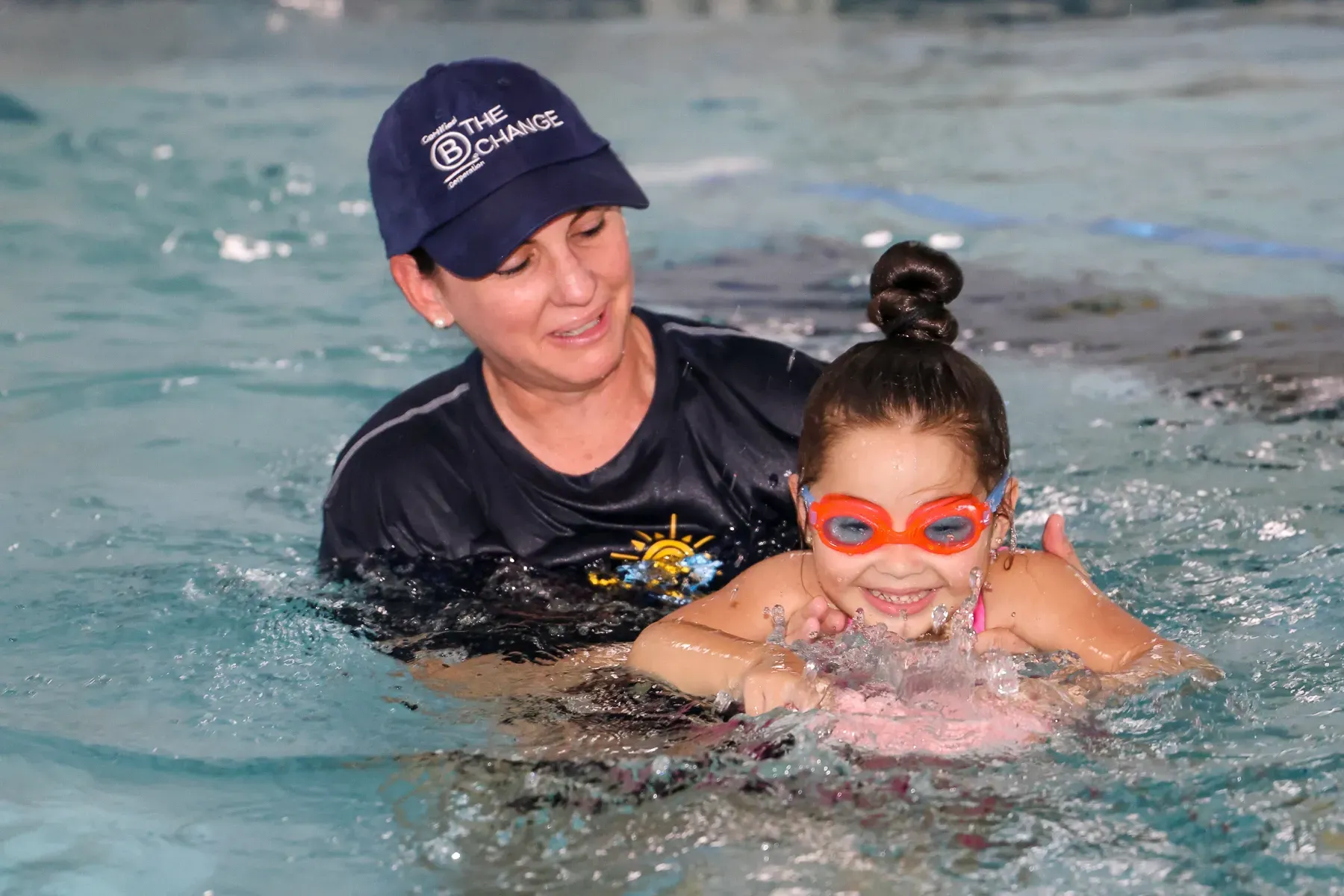
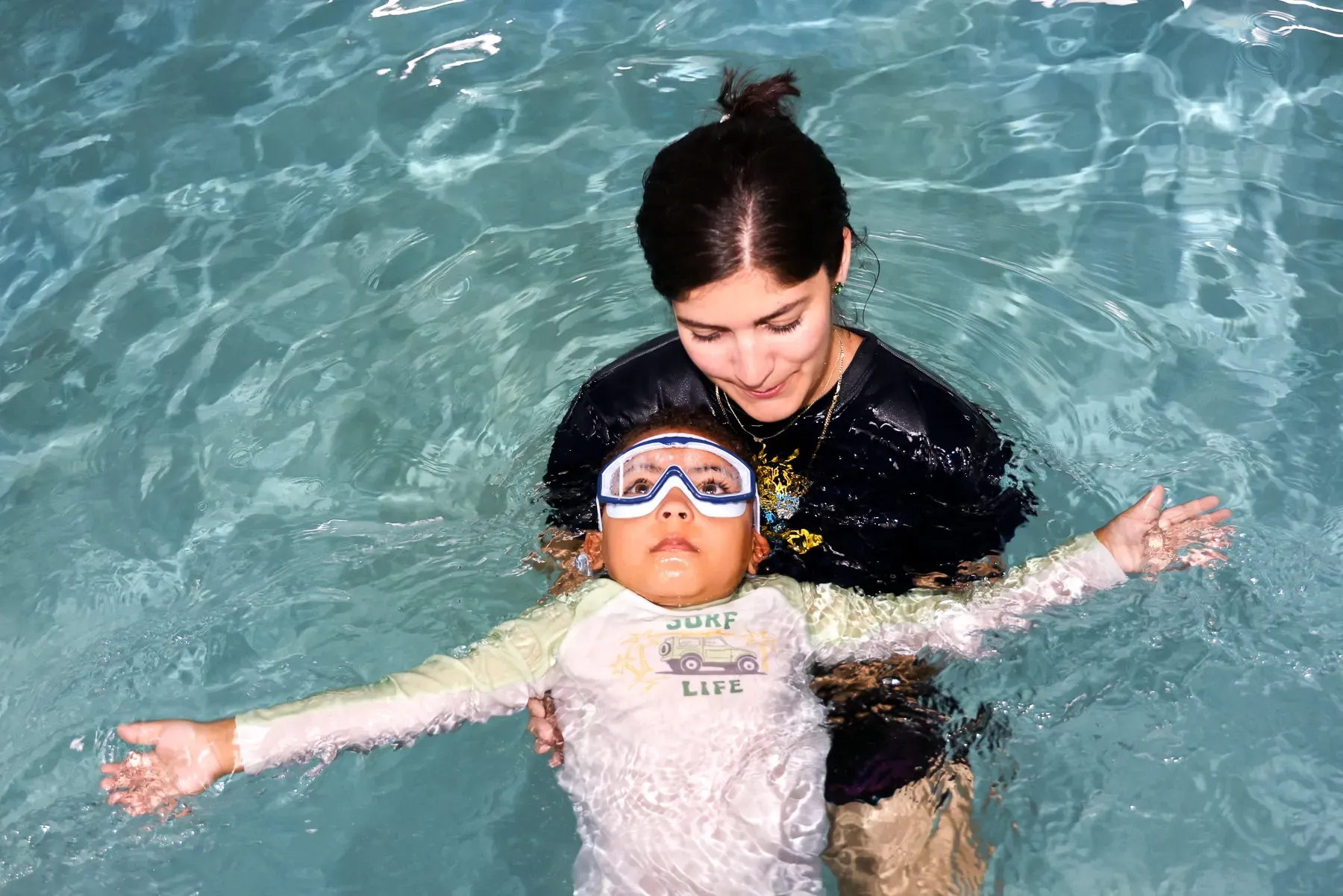
Parent-child swim lessons are especially powerful here. You're in the water alongside your baby, which creates a sense of security and trust. Your calm presence teaches your child that water is a space where they belong, where they're supported, and where learning happens naturally. This foundation is invaluable. It shapes how your child relates to water for the next 15+ years.
How Infant Swim Lessons Age 6-12 Months Actually Work
You might be picturing structured swim strokes and lap swimming. That's not what infant water safety lessons look like. At 6 months, baby swim lessons focus on movement, comfort, and essential safety responses.
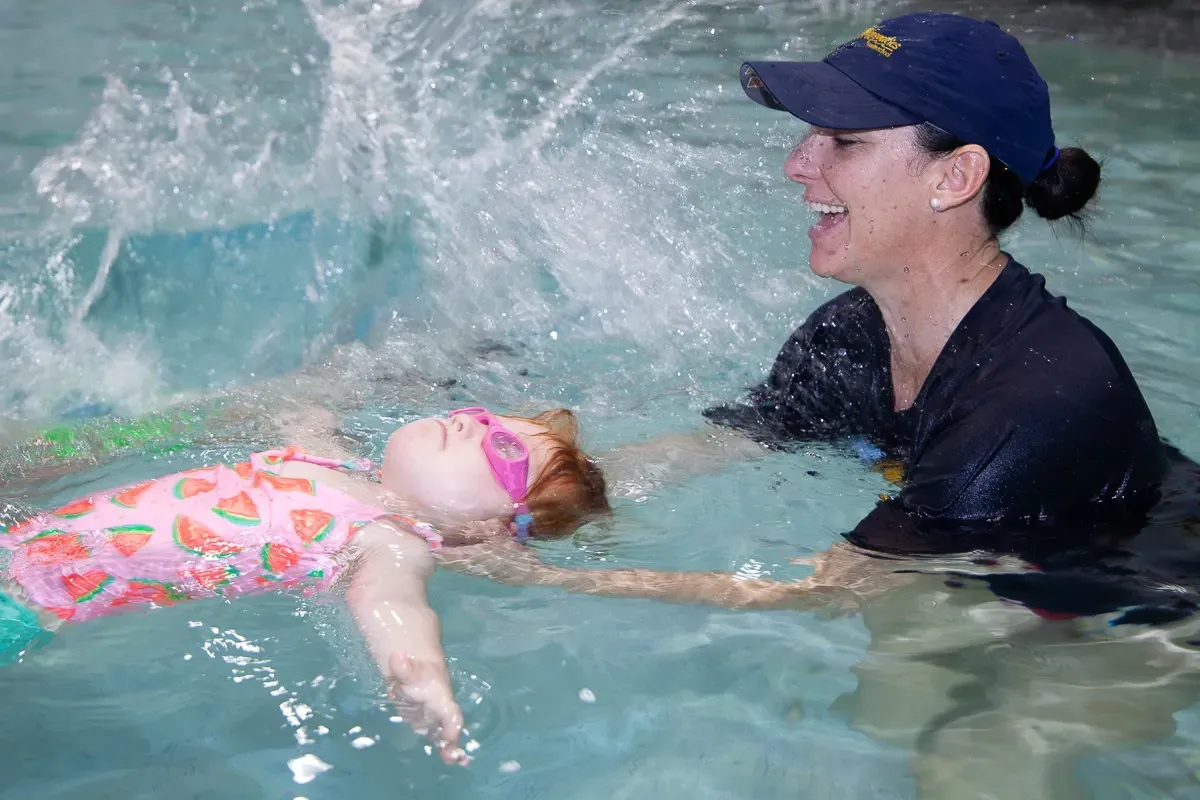
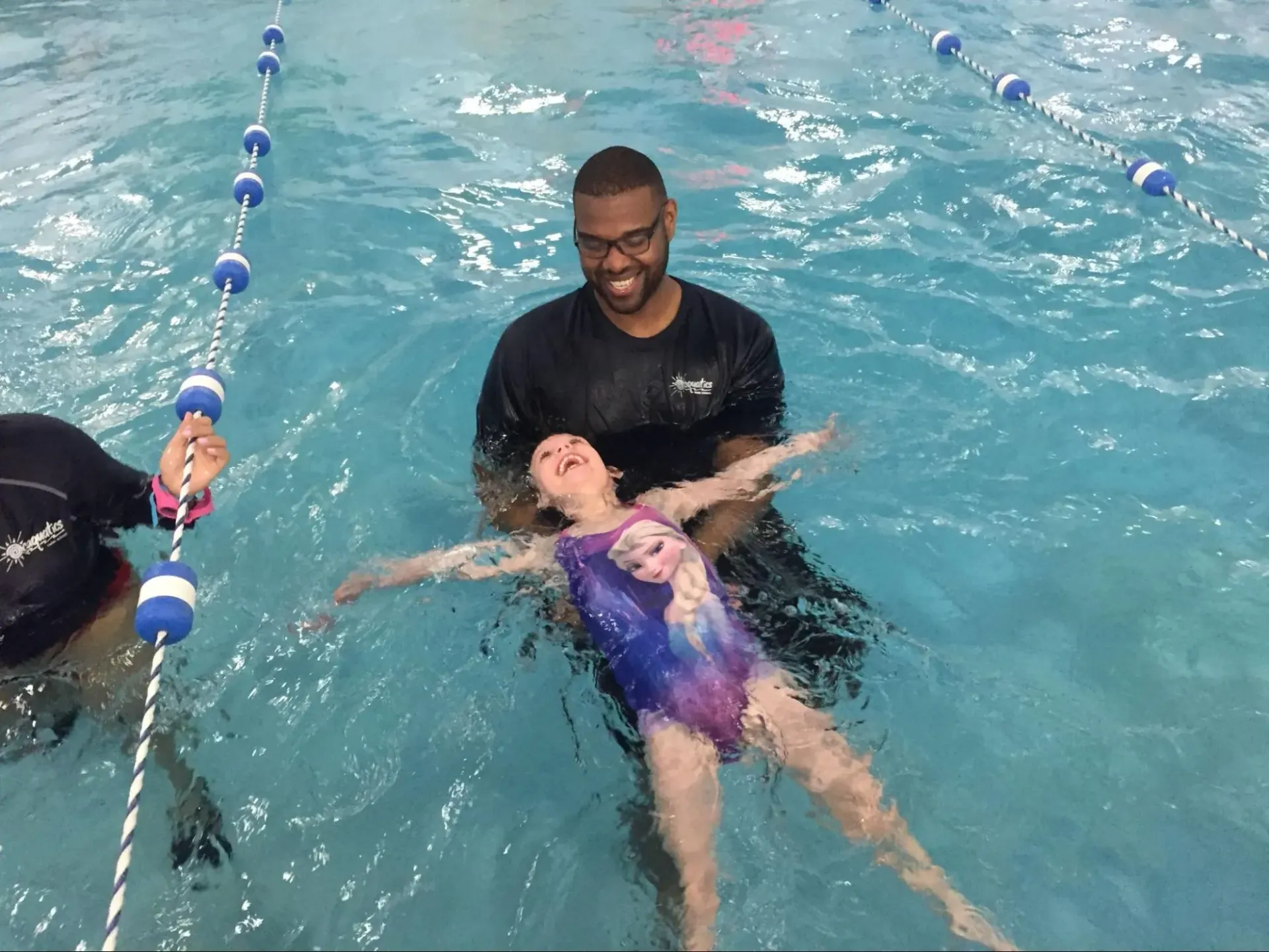
Here's what happens in a typical session: your infant swimming instructor guides you through gentle water play that builds trust and comfort. Your baby practices floating (with support), experiences controlled water on their face (teaching breath awareness), and learns to respond to your voice and touch in the water. There's a lot of play, singing, and positive reinforcement.
By 9-12 months, baby swimming classes expand slightly. Your infant begins understanding directional cues, practices rolling motions that lead to floating, and continues building water confidence. The goal isn't independence yet. It's establishing that water is a friendly, exploratory space.
This progressive approach means your child is building muscle memory and neural pathways specific to water. When they're older and ready for more advanced swim lessons, they won't be starting from zero. Their body already knows how water feels and responds.
Baby Drowning Prevention: What Early Lessons Teach
Baby drowning prevention doesn't start with advanced swimming skills. It starts with water awareness and foundational safety responses.
When your baby is exposed to water regularly through infant swim lessons, age-appropriate to their development, their body learns certain instinctive responses. They learn to hold their breath when water touches their face. They learn to relax into floating, which is the position that keeps them safest if they unexpectedly enter water. They learn to respond to your commands and guidance.
These aren't guarantees, but they're protective factors. Research shows that children who receive early swim instruction have lower drowning rates than their peers without such training. The younger you start building these safety habits, the more natural and automatic they become.
Baby swimming classes also teach parents what to watch for and how to model safer water behavior. Your infant swimming instructor can show you proper water entry, how to prevent ear infections (important in our humid Miami climate), and when your baby is getting tired or uncomfortable. This knowledge carries forward into every water situation you encounter.
Baby Swim Lessons Benefits: More Than Just Safety
Yes, baby drowning prevention is the primary benefit. But there's a lot more happening in the water.
When your infant participates in parent-child swim lessons, they're experiencing sensory input that supports neurological development. The resistance of water challenges their muscles in ways land-based activities don't. The temperature variations, the sound, the feeling of weightlessness—all of this stimulates your baby's developing brain.
There's also the social and emotional component. Your baby learns that they can do hard things with your support. They experience success, which builds confidence. The one-on-one attention from your infant swimming instructor adds another trusted adult relationship to your child's world.
Parents often report that their babies sleep better after swim lessons. The physical exertion and stimulation tire them out, but it's a healthy tired. Plus, the routine of regular lessons provides structure and something to look forward to.
Finding the Right Infant Swim Lessons Near Me in South Florida
Not all swim schools offer quality infant water safety programs. You want an instructor who understands infant development, has experience with parent-child lessons, and prioritizes making water feel fun rather than frightening.
Look for programs specifically designed for the 6-month to 12-month age group. Ask about instructor qualifications—they should have certifications in infant water safety and CPR. Inquire about class size. Smaller groups mean more personalized attention for your baby's specific needs.
The environment matters too. The pool should be warm (typically 84-86 degrees for infant lessons), and facilities should maintain high hygiene standards. You want your baby learning in a clean, well-maintained space.
When you're searching for "infant swim lessons near me" in Coral Gables, Kendall, or anywhere across Miami, ask about the program philosophy. Do they focus on making water fun? Do they incorporate parents into lessons? Do they have a structured progression that grows with your child?
Ocaquatics, with five locations across Florida, specializes in parent-child swim lessons and infant water safety programs designed specifically for babies starting at 6 months. Each location has warm-water pools and instructors trained in infant development and water safety. They understand the unique needs of Miami-area families and the importance of starting early.
Addressing Parent Concerns About Early Swim Instruction
You might be worried that 6 months is too young. That your baby will be overwhelmed, and it's not worth the investment yet.
These concerns are completely valid, and they deserve honest answers. Starting at 6 months isn't about pushing your baby beyond their limits. It's about introducing water in a way that feels natural and supportive. A quality baby swim program moves at your baby's pace, never forcing participation.
As for being too young to learn, your baby's brain and body are actually primed for water exposure at this age. They won't forget these lessons, either. Early childhood learning is incredibly durable. The neural pathways built now strengthen as your child grows.
The investment concern is real, but think about the long-term. Starting early means your child doesn't develop water fear. They don't need extensive lessons later to overcome anxiety. A good infant swim lessons age-appropriate program sets your child up so that future swimming instruction is about skill refinement, not fear management. That saves time, money, and stress down the road.
What to Expect: Your First Baby Swim Lessons
Walking into a baby swim program for the first time can feel a little uncertain. Here's what typically happens.
Your first session is usually observational and introductory. The instructor gets to know your baby's temperament, you learn about the program structure, and your baby gets acclimated to the environment. There's no pressure. Your baby might just sit on the pool edge for the first lesson, and that's perfectly fine.
As sessions progress, you'll gradually introduce your baby to the water. You'll move into the shallow end together, and the instructor will guide you through simple activities, some splashing, maybe some gentle floating with support, and water play with toys. Your baby learns to trust the environment with you right there.
Over weeks and months, your baby becomes more comfortable. They start anticipating the lessons. What felt novel becomes routine. That's when real learning happens—when water feels familiar rather than foreign.
Why Baby Drowning Prevention Starts With You
Your behavior around water sets the tone for your child's entire relationship with it. If you're anxious at the pool, your baby senses it. If you model careful water entry, water respect, and safety rules, your baby learns those habits.
Early swim lessons teach you as much as they teach your baby. You'll learn about water safety practices, how to supervise effectively, and what drowning actually looks like (spoiler: it's usually silent and quick, without the splashing and yelling you see in movies). This knowledge makes you a safer parent in every water situation.
When you combine parental education with infant water safety training, you're creating layers of protection for your child. The baby learns comfort and safety responses. You learn supervision and prevention strategies. Together, you're building a water-safer family culture.
Moving Forward: Building a Lifetime of Water Confidence
Starting swim lessons at 6 months isn't a one-time decision. It's the beginning of a lifelong relationship with water that's safer, more confident, and more enjoyable.
As your child grows, swim instruction evolves. What starts as parent-child water play becomes independent swimming lessons, then water sports, then lifeguard training, or competitive swimming if they're interested. But none of that happens as smoothly without those early foundational months.
The best part? You won't have to coax a reluctant teenager into swim lessons. Your child will already feel at home in the water. They'll trust their abilities. They'll approach swimming with confidence instead of fear.
That's the real power of starting early. The cost of not knowing how to swim is real, emotionally, developmentally, and in terms of safety. But the benefit of building water confidence from 6 months onward? That lasts a lifetime.
Common Questions About Baby Swim Lessons
When can babies start swimming lessons?
Babies can begin swim lessons as early as 6 months old. At this age, their lungs are developed, their core is strong enough to support their head, and their brains are ready to start building water awareness. Parent-child swim lessons at 6 months focus on comfort and safety rather than formal swimming skills.
Are infant swim lessons safe?
Yes, when taught by qualified instructors in appropriate facilities. Quality baby swim programs move at your infant's pace, never forcing participation. The water should be warm (84-86 degrees), the environment should be clean and well-maintained, and instructors should have certifications in infant water safety and CPR. Always ask about program qualifications before enrolling.
Do baby swim lessons prevent drowning?
Early swim instruction significantly reduces drowning risk. Research shows that children who receive infant water safety training have lower drowning rates than their peers without training. These lessons teach foundational water awareness, breath control, and responses that become protective factors throughout childhood.
What happens in baby swimming classes?
Baby swimming classes for 6 to 12-month-olds focus on water comfort, gentle movement, and safety responses. Lessons typically include water play, floating practice with support, breath awareness activities, and lots of positive reinforcement. Parents are always in the water alongside their baby, creating a secure, supportive learning environment.
How long does it take for babies to learn to swim?
Formal swimming skills develop gradually, usually around age 3 or 4. However, the foundation you build through infant swim lessons at 6 months creates a head start. Your baby develops water comfort, basic safety responses, and positive associations with water that make future swimming instruction much easier and more effective.
How much do infant swim lessons cost?
Pricing varies by location and program, but infant swim lessons are generally an affordable investment compared to the peace of mind and safety benefits they provide. Most swim schools, including Ocaquatics, offer flexible enrollment options and package pricing. For example, we offer scholarships to eligible families—call to ask if your family qualifies.
Ready to Get Your Baby Water-Ready?
If you're in Miami Springs, Coral Gables, Kendall, Doral, or anywhere across South Florida, Ocaquatics offers infant swim lessons designed specifically for babies starting at 6 months old. With five locations throughout Florida and instructors trained in infant water safety and parent-child dynamics, we've helped hundreds of families build water confidence safely and joyfully.
Enrollment is straightforward. We have flexible scheduling that works with busy families, warm pools designed for infant comfort, and a philosophy that makes learning feel fun rather than forced.
Don't let another season pass, wondering if your baby is ready.
Contact Ocaquatics today and enroll your baby in parent-child swim lessons. Give your child the gift of water safety, confidence, and skills that will serve them throughout their life. Your peace of mind and your baby's safety are worth starting now.