



The Real Cost of Not Knowing How to Swim
Your child gets invited to a pool party, and while other kids are splashing and laughing, yours is sitting on the edge, watching. Or worse, you're at the beach, and your heart races every time they get close to the water. If this sounds familiar, you're not alone. Many parents in Miami-Dade County face the same worry whenever water's involved.
However, what most people don't realize is that the cost of not knowing how to swim extends far beyond missing out on pool parties. We're talking about real safety risks, limited experiences, and effects that can last a lifetime. In this post, we'll break down the true price your child might pay, and why learning to swim isn't just another item on the to-do list.
In this blog, we’ll walk through the real risks of water insecurity, how it can affect your child’s confidence and independence, and why early swim skills are one of the most valuable life investments you can make.
Why Learning to Swim Is More Than Just a Summer Activity
Every parent wants their child to be safe and confident in the water. Water safety is one of the most important skills children can learn, especially in South Florida, where pools, lakes, and beaches surround us. Formal swimming instruction plays a crucial role in helping children develop the water awareness and skills they need to stay safe and enjoy water activities with confidence.
One thing many parents don't realize: accidents in water happen quickly and quietly. There's no splashing or dramatic calling for help like in movies. A child can slip underwater in seconds, and in busy environments like pools or beaches, it's easy for something to go unnoticed. That's why learning proper technique, water awareness, and survival skills through professional instruction makes such a meaningful difference.
When kids don't know how to swim, every water situation becomes high-risk. A family vacation to the Keys? Stressful. A playdate at a friend's house with a pool? Anxiety-inducing. Even bath time can feel nerve-wracking for parents who've seen their child panic in water.
But when a child knows how to swim, something shifts. They develop water awareness, understanding how their body moves in water, how to keep their head up, and how to get to safety. This isn't about creating Olympic swimmers. It's about giving your child the skills to survive if they accidentally fall in.
The Hidden Costs Nobody Talks About
Social and Emotional Impact
Kids notice when they're different. When your child can't join their friends in the pool, they feel it. Pool parties become something to dread instead of celebrate. Summer camps with swimming activities? Off the table. That trip to the water park everyone's planning? Your family might skip it.
Over time, this creates a gap. While other kids are building confidence, trying new things in the water, your child is building anxiety around it. And here's what research shows: fears developed in childhood often stick around. That kid who's afraid of water at seven might become an adult who avoids beaches, misses out on snorkeling trips, or feels embarrassed at hotel pools.
The emotional cost is real. Kids develop their sense of competence by mastering skills their peers have. When they can't do something that "everyone else" can do, it affects their self-esteem. They might start seeing themselves as "not athletic" or "scared" when really, they just haven't had the opportunity to learn.
Limited Life Experiences
Think about all the activities that involve water: beach days, boat trips, kayaking, paddleboarding, snorkeling, swimming with dolphins, water parks, pool parties, lake weekends, and river tubing. The list goes on.
When your child doesn't know how to swim, entire categories of experiences become difficult or impossible. Family vacations get limited—maybe you skip the beach resort for a theme park instead. Your teen misses out on that summer lifeguarding job. Water sports? Not an option.
And it's not just childhood. Adults who never learned to swim often feel self-conscious about it. They avoid situations where their lack of swimming ability might show. They pass on opportunities. Some even pass this limitation to their own kids because they can't teach what they don't know themselves.
Breaking Down the Benefits of Learning to Swim
Physical Development
Swimming builds strength, coordination, and endurance in ways other activities don't. It's low-impact, so it's easier on growing bodies, but it works every major muscle group. Kids who swim regularly develop better cardiovascular health, stronger core muscles, and improved flexibility.
But here's what's really interesting: learning to swim helps with other physical skills too. The bilateral movements—using both sides of the body in coordinated ways—actually support brain development. The balance and body awareness kids gain in water translates to better coordination on land.
Plus, swimming is a lifelong fitness option. Unlike some sports that get harder as we age, swimming remains accessible. You're giving your child a form of exercise they can enjoy at five, fifteen, or fifty.
Confidence and Independence
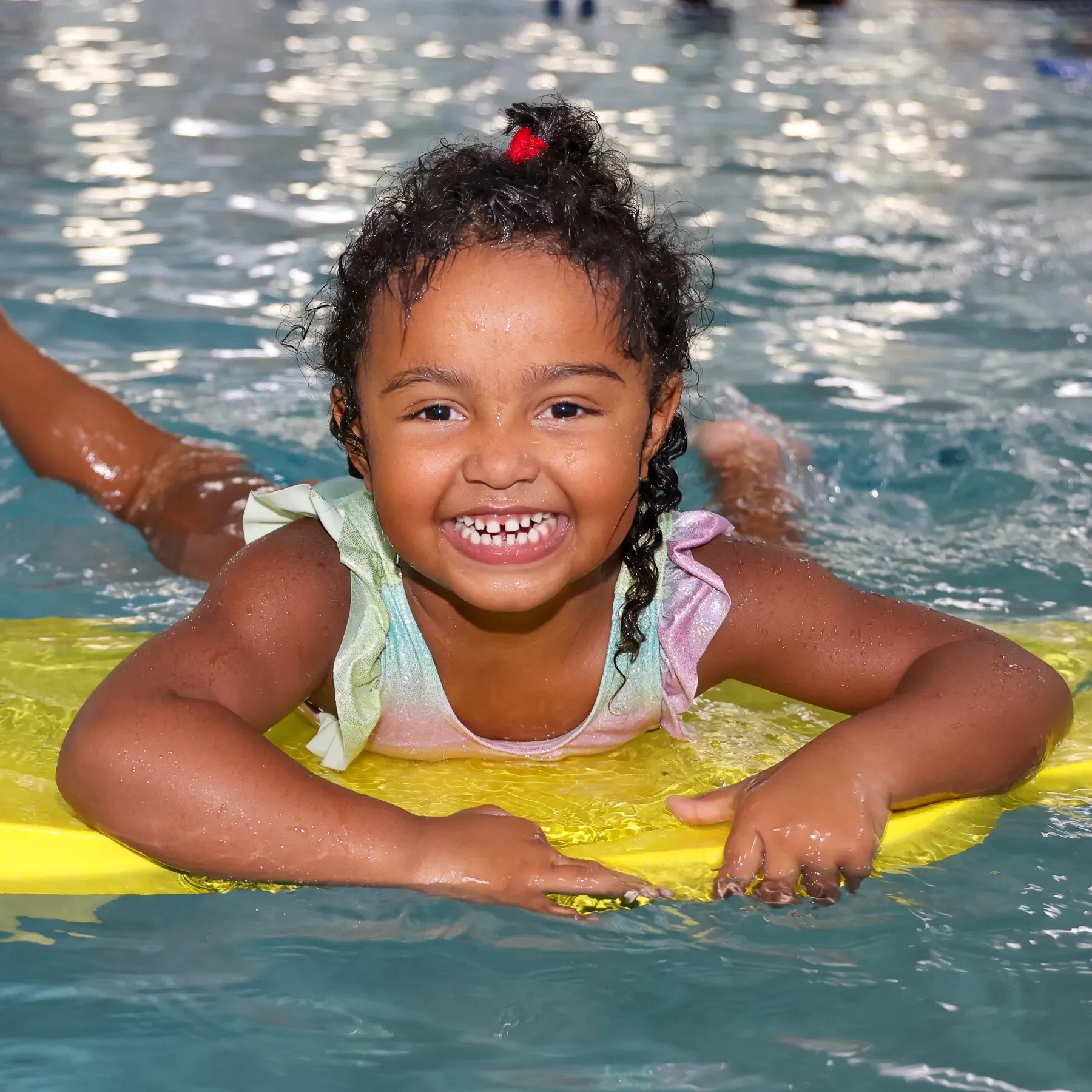
There's something powerful about watching a child who was once afraid of water swim across the pool for the first time. That moment changes how they see themselves. If they can learn to swim—something that genuinely scared them—what else can they do?
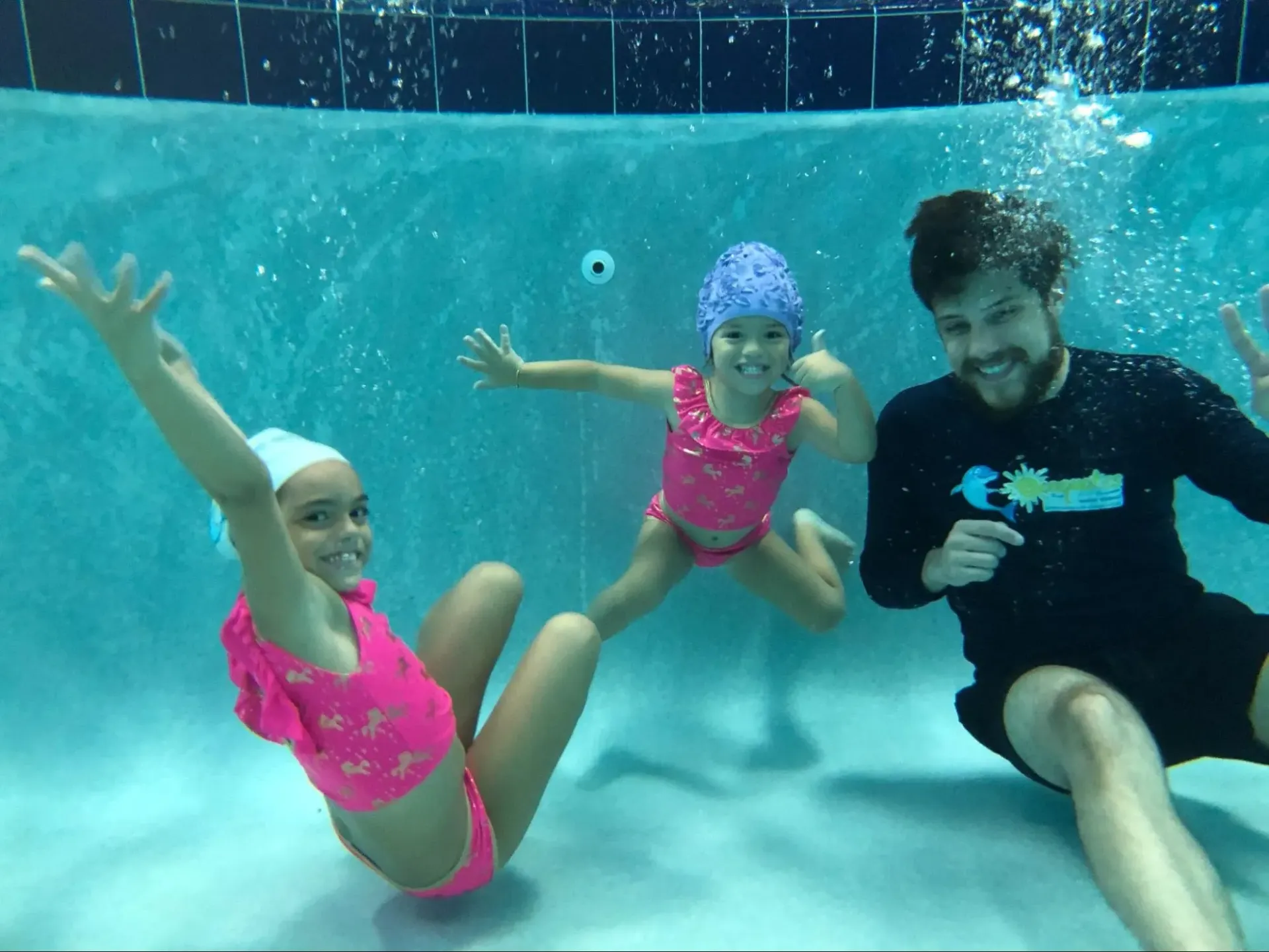
This confidence ripples outward. Kids who master swimming often approach other challenges differently. They've learned that scary things can be conquered with practice and persistence. They've experienced being a beginner and becoming capable.
At what Age Should Children Learn to Swim?
This is one of the most common questions parents ask, and the answer might surprise you: it's never too early, or too late, to start.
The American Academy of Pediatrics recommends swim lessons for most children starting at age one. But even babies as young as six months can begin water acclimation classes that teach comfort and basic safety skills. At Ocaquatics, we've seen kids as young as six months old start building positive relationships with water through age-appropriate instruction
Here's the breakdown:
- Ages 1-3: Focus on water comfort, basic floating, and safety skills
- Ages 4-6: Learn foundational strokes and water survival techniques
- Ages 7 and up: Refine technique, build endurance, and master different strokes
The key is consistency. Kids don't learn to swim in one lesson or even one month. It requires regular practice, patience, and instruction tailored to their developmental stage.
And if your child is older and still doesn't know how to swim? Don't let guilt hold you back. We work with kids of all ages who are starting from scratch. It's never too late to learn this life-saving skill.
What Are the Best Swim Drills for Kids?
When you're starting swim lessons, understanding effective drills can help you know what to expect and how to support your child's learning. These aren't complicated, and the best drills focus on building comfort and fundamental skills.
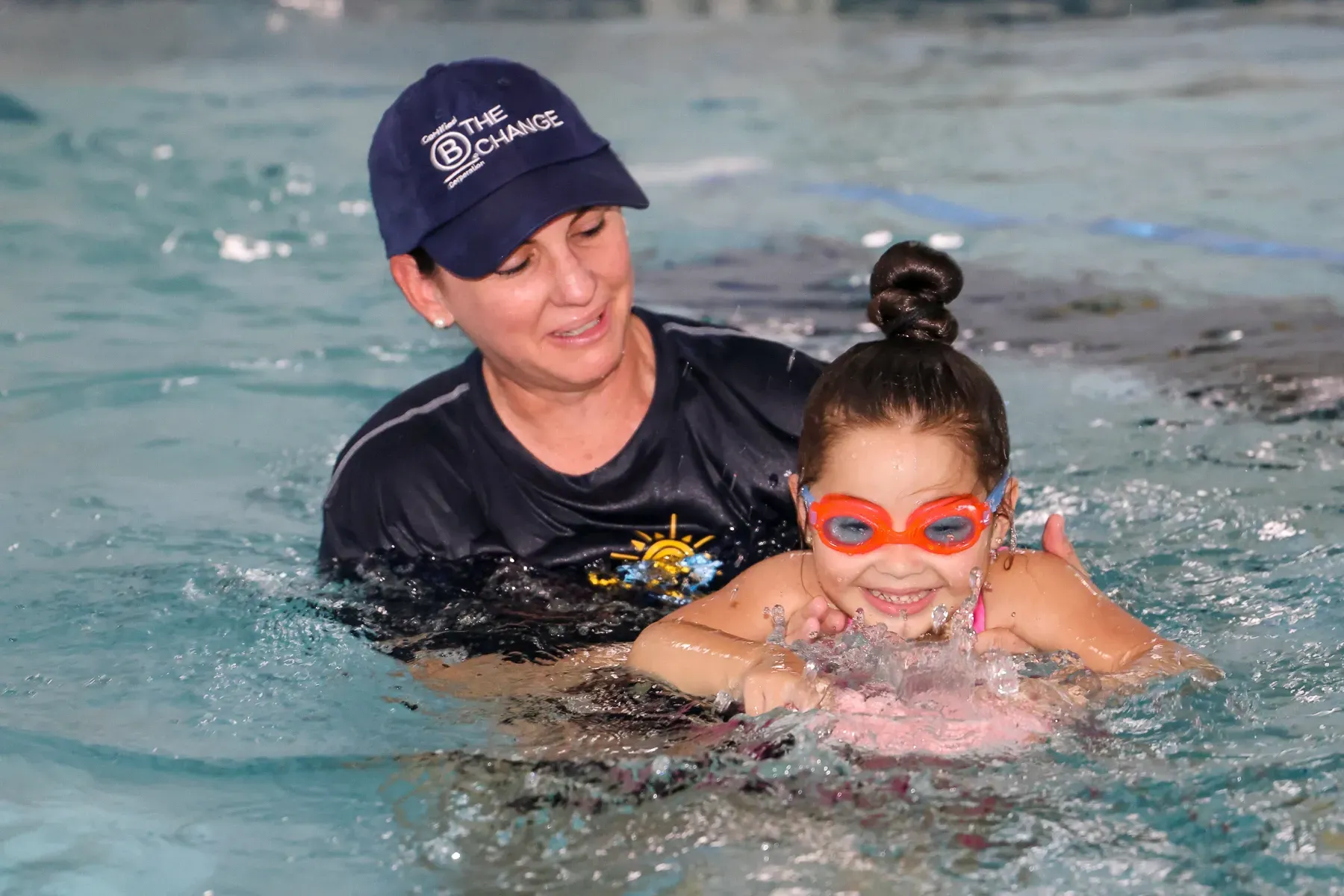
- Bubble blowing is often the first drill kids learn. It sounds simple, but getting comfortable putting your face in the water and exhaling is essential for swimming. Kids practice blowing bubbles at the surface, then progress to putting their faces underwater.
- Wall kicks help develop leg strength and proper kicking technique. Your child holds onto the pool wall and practices flutter kicks, learning to keep their legs straight and kick from the hips rather than the knees.
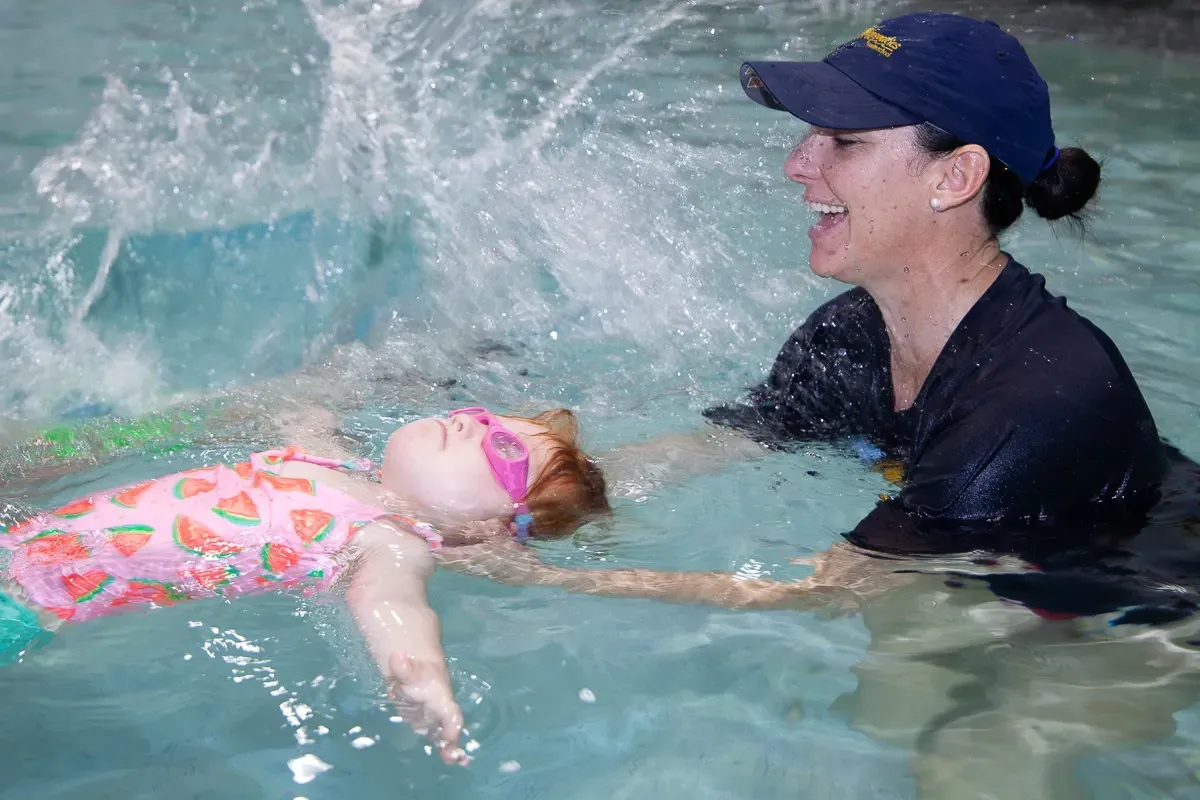
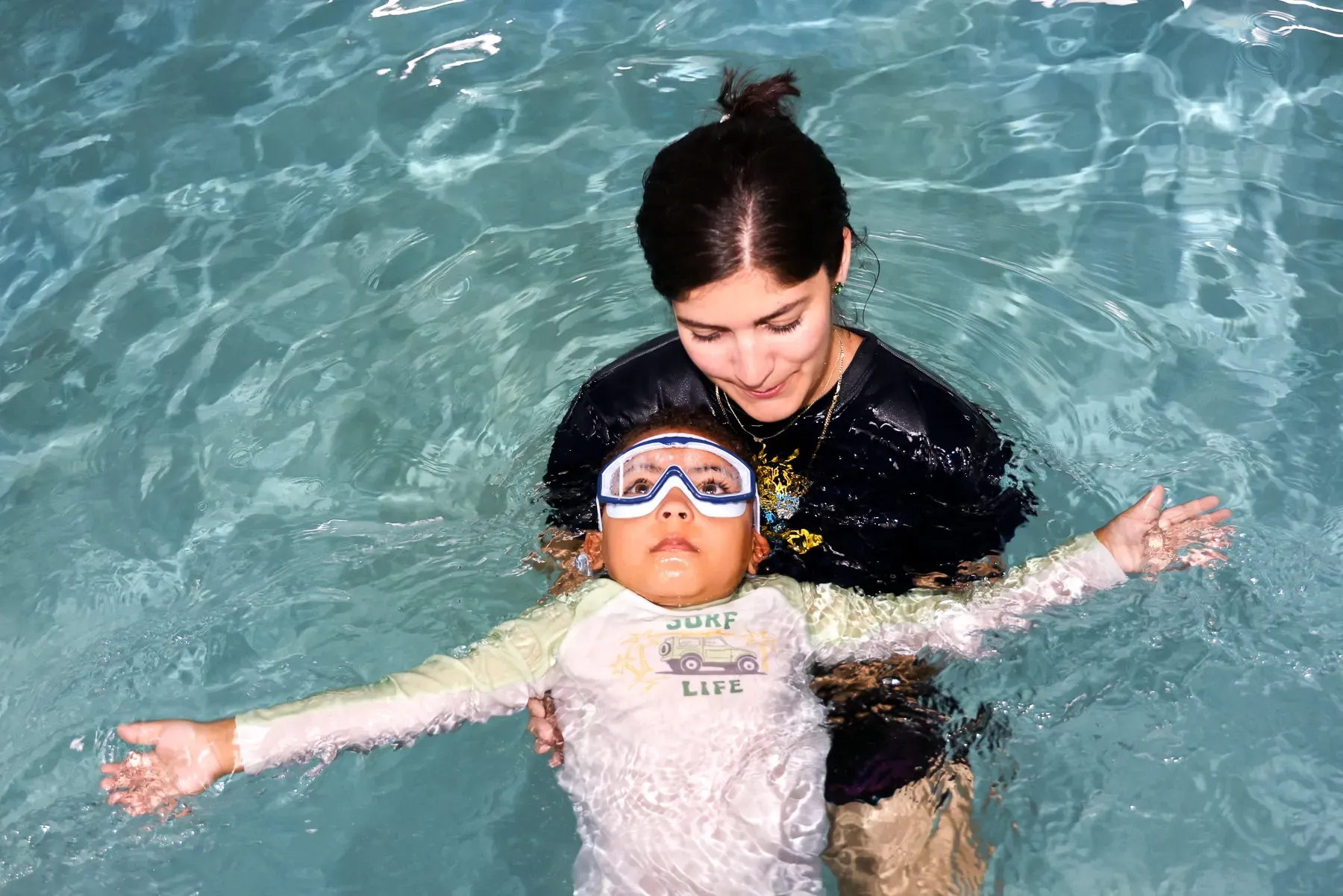
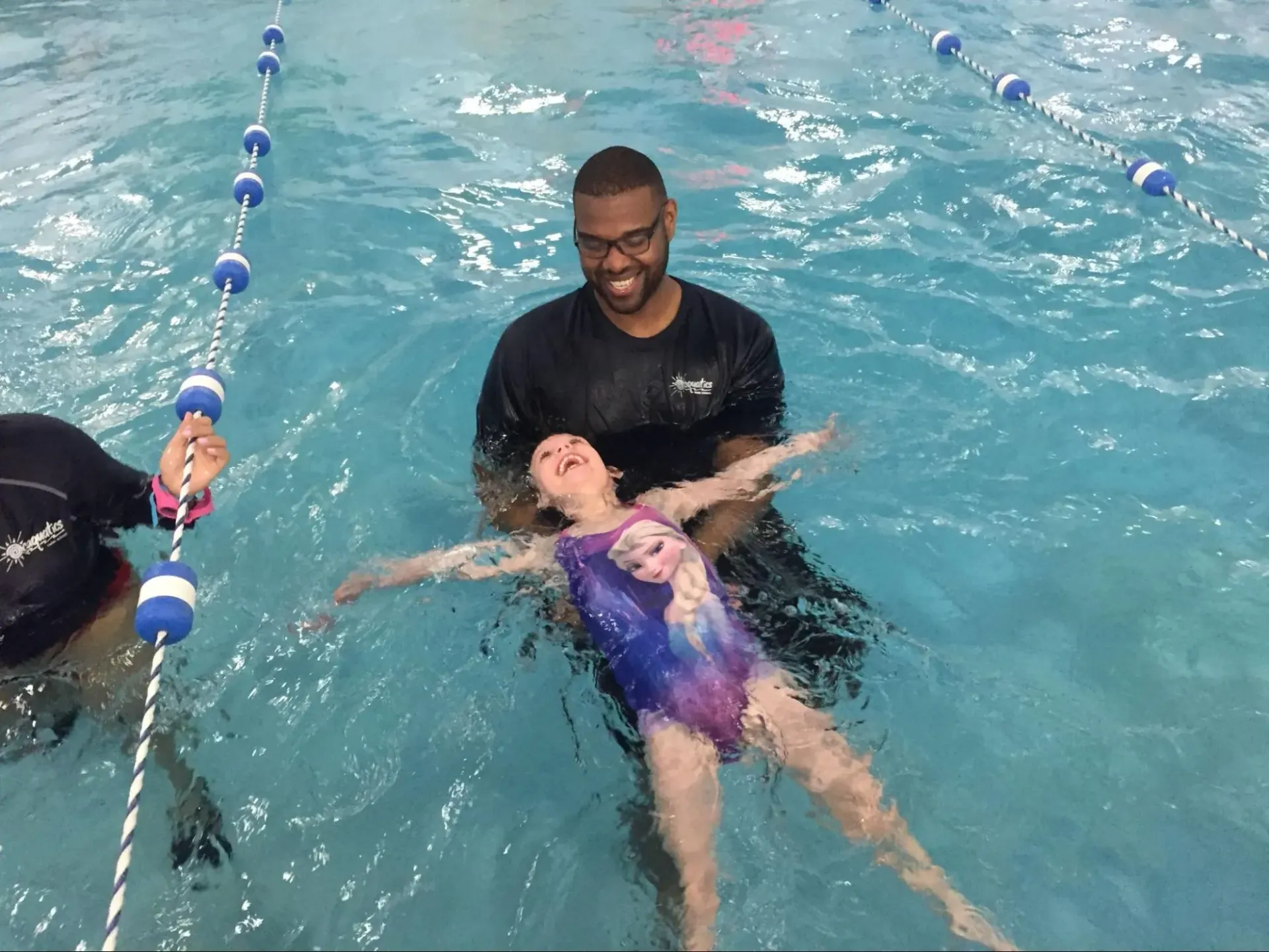
- Streamline floating teaches body position. Kids learn to float on their front and back, keeping their body straight and discovering how water supports them. This builds the foundation for all swimming strokes.
- Gliding drills come next. After pushing off the wall, kids glide in a streamlined position, learning to maintain balance and momentum in the water. This helps them understand how to move efficiently through water.
- Arm circles (also called "monkey, airplane, soldier") break down the freestyle arm motion into simple steps kids can remember. They practice the movement on deck first, then in shallow water.
The progression matters. Good swim instructors introduce drills in a logical sequence, building on what kids already know. At swimming schools like Ocaquatics, instructors use these drills within a structured curriculum designed for different age groups and skill levels, ensuring kids build confidence while developing proper technique.
Drowning Prevention Starts With Education
Here's what every parent needs to know: supervision is critical, but it's not enough. Even the most attentive parent can't watch every second. Kids slip away at family gatherings, older siblings get distracted, and accidents happen in the time it takes to grab a towel.
Child drowning statistics paint a sobering picture. In Florida alone, drowning is a leading cause of death for young children. And many of these drownings happen during non-swim times—a child wanders to a pool, falls in while playing near the edge, or gets into a hot tub.
Swim lessons dramatically reduce drowning risk. Research shows that formal swim lessons reduce the risk of drowning by 88% for children ages 1-4. That's a massive difference. But swim safety for children goes beyond just lessons.
Teach your kids these water safety rules:
- Never swim alone; always have an adult watching
- Don't run near pools; wet surfaces are slippery
- Stay away from pool drains and deep water until they're strong swimmers
- Always wear a life jacket on boats, even if they can swim
- Learn the difference between "swimming" and "swimming well enough to be safer."
That last point is crucial. Some parents think their child is water-safe after a few lessons, but there's a big difference between basic swimming and being truly competent around water. Children need ongoing practice and instruction to maintain and develop their skills.
Making It Happen: Finding the Right Swim Program
If you're in Miami, Coral Gables, Doral, and the surrounding areas, you've got options for kids' swim lessons. But not all programs are created equal. Here's what to look for:
- Qualified instructors with experience teaching children. Ask about certifications and training in water safety and child development.
- Small class sizes that allow for individual attention. Your child learns faster when instructors can focus on their specific needs and challenges.
- A progressive curriculum that builds skills systematically. Lessons should have clear goals and measurable progress.
- Warm, clean facilities that make learning comfortable. Kids learn better when they're not shivering or worried about the environment.
- Flexible scheduling that works with your family's routine. Consistency matters more than intensity. It’s better to have shorter, regular lessons than sporadic intensive ones.
At
Ocaquatics, we've been teaching kids to swim since 1994. We've seen firsthand how the right instruction changes everything, not just for kids, but for entire families who can finally relax and enjoy water activities together.
The Bottom Line: Investment vs. Cost
Yes, swim lessons require time and money. But consider what you're getting: a skill that literally saves lives, boosts confidence, opens up experiences, and lasts forever. Compare that to the cost of constant anxiety, limited activities, and potential tragedy.
The importance of swim lessons for kids is about setting them up for a lifetime of safer, fuller experiences around water. It's about breaking the cycle if swimming isn't part of your family's background. It's about giving your child every advantage.
You can't put a price tag on peace of mind or on the moment your child swims independently for the first time. But you can choose to prioritize this skill now, before another summer passes or another pool party invitation arrives.
Frequently Asked Questions
How much do swim lessons typically cost?
Swim lesson costs vary by location and program type, but most parents find that investing in quality instruction pays off quickly. Group lessons are generally more affordable than private sessions, with many programs offering package deals. When you consider the lifetime benefit of this skill, plus the peace of mind, swim lessons are one of the most valuable investments you can make in your child's safety and development.
Can my child learn to swim if they're already afraid of water?
Absolutely. Many kids start swim lessons with water fear, and experienced instructors know how to work through it gradually. The key is finding a patient, qualified teacher who won't push too fast. With the right approach, most kids overcome their fear and actually start enjoying water activities. It just takes time, positive experiences, and building trust at their own pace.
How long does it take for a child to learn to swim?
This varies widely depending on the child's age, starting comfort level, and lesson frequency. Some kids gain basic water safety skills in a few months with regular lessons, while others need a year or more to become truly proficient. Consistency matters more than intensity—kids who take lessons year-round typically progress faster than those who only do summer sessions. Remember, swimming is a skill that continues developing over time, not something you "complete" in a set period.
Is it safer to wait until my child is older to start swim lessons?
Not really. The earlier kids start developing water comfort and safety skills, the better. Younger children are often less fearful and more adaptable than older kids who've had more time to develop anxieties. That said, starting at any age is better than not starting at all. Don't let your child's current age be an excuse to delay; they can learn at three, six, or twelve. The important thing is to begin now.
What's the difference between survival swimming and regular swim lessons?
Survival swimming focuses intensely on self-rescue skills, teaching kids what to do if they accidentally fall into water. Regular swim lessons typically take a broader approach, combining water safety with stroke development, technique, and building overall swimming competence. Both have value, but many experts recommend programs that integrate safety skills with proper swimming instruction, giving kids both the ability to survive an emergency and the skills to actually enjoy swimming activities as they grow.
How do I know when my child is truly safer around water?
There's no single moment when a child becomes completely "water-safe"; it's a gradual process. However, you'll know your child has reached a good safety level when they can independently float on their back, swim a short distance to the edge, and retrieve themselves from underwater if they fall in. Even then, adult supervision remains essential. True water competence includes not just physical skills but also good judgment about water depth, conditions, and their own abilities. This usually develops over several years of instruction and experience.
Your Child's Swim Journey Starts Now
Every day you wait is another day your child remains vulnerable around water and misses out on the confidence that comes from mastering swimming. The good news? It's not too late to start.
Whether your child is one or eleven, scared of water or just needs formal instruction, the right swim program can make all the difference. In Miami, Coral Gables, Kendall, and surrounding areas, quality swim instruction is within reach.
Ready to give your child this life-saving skill?
Contact Ocaquatics today and enroll your kid in swim lessonsdesigned for their age and ability level. With five convenient locations across Miami-Dade County and experienced instructors who understand how to make learning fun and effective, we'll help your child become confident and safer in the water. Don't let another season pass; reach out now and take the first step toward water safety and independence for your child.